Executive Takeaways
- Nostalgia Monetization: Sony is capitalizing on vintage tech trends by reissuing the legendary 1979 Walkman-era open-air headphones, merging retro aesthetics with modernized internal engineering.
- Regulatory Compliance & Connectivity: The updated iteration replaces legacy analog wiring paradigms with modern USB-C architecture, reflecting structural shifts in hardware design and European regulatory pressures.
- Capital Allocation Strategy: This hardware drop highlights a calculated risk mitigation strategy by consumer electronics giants, pivoting toward low-capex nostalgic revivals to protect valuation multiples in a softening hardware market.
- Niche Market Liquidity: Designed for the high-margin audiophile and vintage-lifestyle demographic, the product targets specialized consumer segments willing to pay premium pricing for historical authenticity.
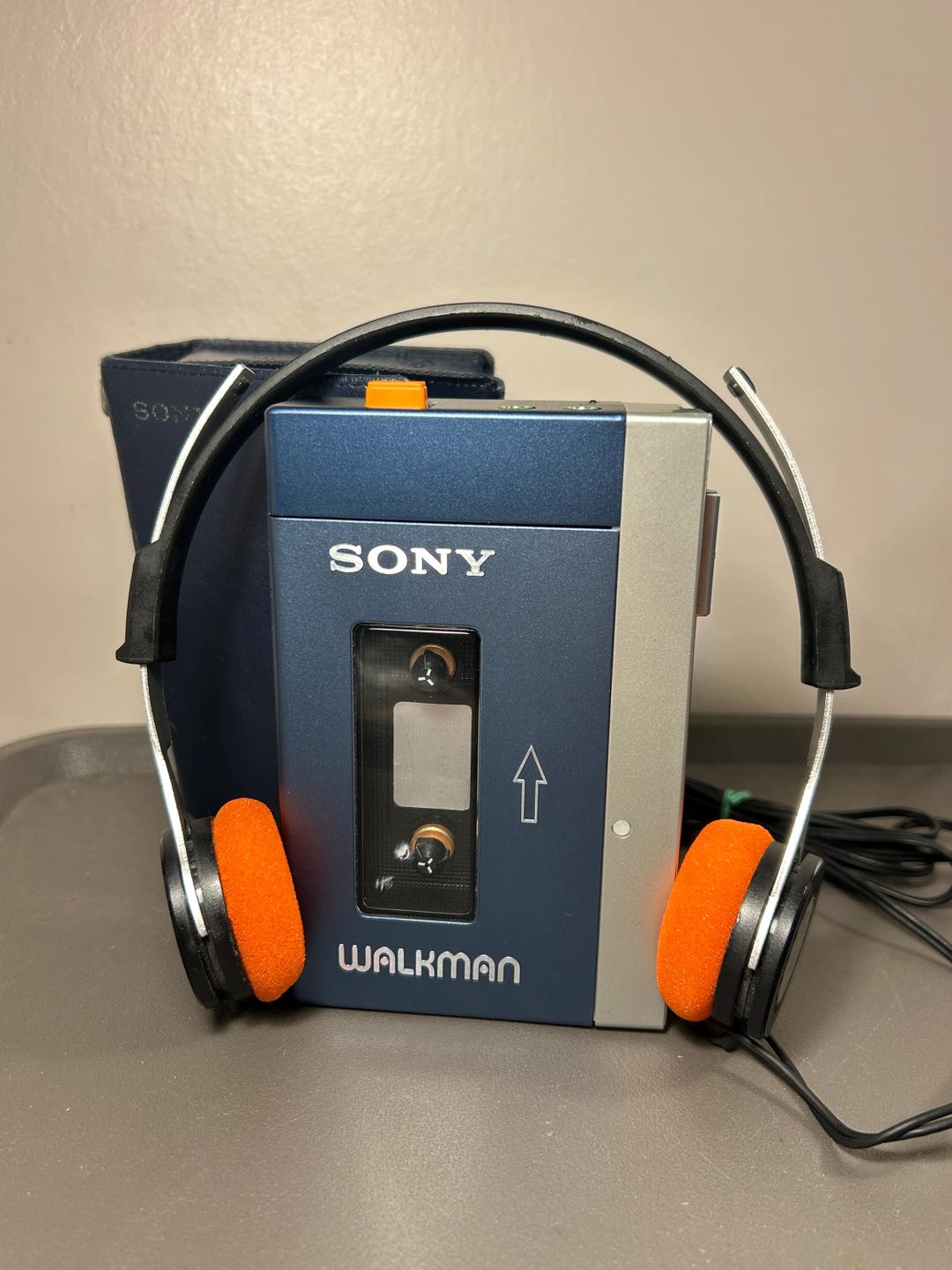
TOKYO & NEW YORK — In an era defined by algorithmic curation, frictionless Bluetooth streaming, and hyper-minimalist white plastic earbuds, Sony Corporation has executed a masterclass in temporal arbitrage. The electronics conglomerate has officially resurrected its legendary open-air dynamic headphones from 1979—the exact acoustic hardware that once accompanied the original TPS-L2 Walkman—while integrating contemporary USB-C connectivity.
For institutional analysts, supply chain strategists, and long-standing connoisseurs of industrial design, this move is far more than a mere exercise in retro novelty. It represents a calculated convergence of vintage hardware fetishism and modern infrastructure standards. As consumer appetite for commoditized electronics plateaus, legacy brands are increasingly leveraging historical intellectual property to drive brand equity, stimulate high-margin niche commerce, and protect enterprise valuation multiples in volatile global markets.
The Catalytic Revival: Bridging 1979 Acoustics with 2026 Standards
Test Our Free AI & Tech Utilities Suite
Calculate LLM API token costs, analyze article dwell-time, or simulate tech DCA returns.
The original 1979 headphones shipped alongside the Sony Walkman TPS-L2, forever altering how humanity interacted with recorded sound. Prior to that fateful Tokyo launch, personal audio was synonymous with bulky, studio-grade monitoring cans that isolated the listener from the outside world. Sony’s ultra-lightweight, foam-padded, open-air design democratized mobility. It introduced a societal phenomenon: the walking soundtrack.
Decades later, the physical architecture of that iconic design remains largely untouched. The exposed metal headband, the sliding adjustment mechanism, and the iconic orange foam ear-cushions evoke an era of analog purity. However, beneath the retro veneer lies a modern engineering overhaul designed to meet contemporary consumer expectations. The integration of a USB-C interface acknowledges the death of the legacy 3.5mm headphone jack across the majority of modern smartphones, tablets, and mobile computing infrastructure.
Industry insiders note that this hybrid approach—pairing vintage industrial design with updated connectivity—serves as an effective risk mitigation strategy. Rather than allocating capital toward unproven form factors, Sony is monetizing existing, highly recognizable blueprints while lowering the friction of daily use for a younger demographic raised on digital ecosystems.
Market Dynamics and Competitive Positioning

The consumer audio market is currently bifurcated. At one end lies the ultra-commoditized true wireless stereo (TWS) segment, dominated by race-to-the-bottom pricing models and compressed audio codecs. At the other end sits the high-end audiophile market, characterized by specialized boutique brands, high capital expenditure on planar magnetic drivers, and uncompromising acoustic performance.
By dusting off the 1979 design blueprints, Sony is carving out a lucrative third lane: the lifestyle-heritage segment. This sector commands significant market liquidity among affluent millennials and Generation Z consumers who view retro hardware not as obsolete technology, but as tactile fashion statements.
| Specification / Metric | Original 1979 Walkman Headphones | The 2026 USB-C Revival Edition |
|---|---|---|
| Primary Connectivity | Analog 3.5mm TRS Jack | Digital / Analog USB-C Interface |
| Acoustic Design | Open-air dynamic driver | Optimized open-air dynamic driver with modern tuning |
| Materials & Build | Stamped steel band, polyurethane foam | Refined lightweight steel, premium high-density foam |
| Target Demographic | Mass-market mobile pioneers | Audiophile purists, vintage lifestyle enthusiasts |
| Regulatory & Compliance | Legacy electronics standards | Global electronic waste & universal port compliance |
Macroeconomic Impact and Corporate Strategy
From a corporate finance perspective, hardware product launches of this nature allow consumer electronics conglomerates to test demand elasticity without risking massive R&D budgets. The foundational acoustic engineering was solved over forty years ago; manufacturing supply chains are optimized; and the marketing narrative writes itself through organic social media virality.
Furthermore, aligning hardware with USB-C compliance ensures seamless regulatory alignment across global markets, particularly within the European Union, where universal port legislation has fundamentally altered hardware distribution strategies. By eliminating proprietary connectors and standardizing the interface, Sony reduces regulatory friction and optimizes inventory allocation across international supply chains.
Financial analysts monitoring Sony’s entertainment and hardware divisions point out that these strategic releases bolster gross profit margins. While volume sales may not rival mainstream wireless earbuds, the premium price points commanded by limited-edition heritage hardware deliver outsized returns relative to input costs.
Frequently Asked Questions (People Also Ask)
Why is Sony updating the 1979 Walkman headphones with USB-C now?
Sony is capitalizing on the secular consumer trend toward retro nostalgia while adapting to modern hardware standards. With the near-total disappearance of the 3.5mm headphone jack from contemporary smartphones and laptops, updating the classic acoustic design with a USB-C interface ensures immediate compatibility with modern digital infrastructure without sacrificing historical aesthetic appeal.
Do these revived headphones feature active noise cancellation (ANC)?
No. True to their 1979 origins, these are open-air dynamic headphones. They are engineered to allow ambient sound to pass through, offering a spacious, natural soundstage rather than the heavy digital isolation found in modern ANC headphones. This design philosophy targets purists who prefer spatial awareness and an uncompressed acoustic profile.
What are the financial and market implications of this product launch?
For Sony, this release serves as a low-capex, high-margin brand equity play. By leveraging existing intellectual property and modernizing the connectivity layer, Sony mitigates supply chain risks while appealing directly to high-spending lifestyle consumers and vintage audio collectors, thereby driving enterprise valuation multiples within its hardware division.
Are these headphones compatible with legacy analog gear as well?
While the primary hardware revision incorporates a USB-C connection—often housing an internal digital-to-analog converter (DAC) to process modern audio streams—consumer electronics analysts anticipate that Sony’s implementation will accommodate standard digital-audio protocols required by contemporary mobile computing architectures.
Future Outlook and Strategic Milestones
As consumer fatigue with purely digital, software-driven experiences deepens, hardware that offers tactile engagement and historical resonance is poised for sustained growth. Sony’s resurrection of the 1979 Walkman headphones serves as a bellwether for the consumer electronics industry. It demonstrates that heritage brands possess an unexploited goldmine in their historical archives.
Key milestones to watch in the coming quarters include:
- Sell-through velocity and inventory turnover: Assessing whether initial production runs experience supply shortages driven by viral social media demand.
- Competitor replication: Monitoring whether rival audio manufacturers accelerate their own vintage hardware revival programs in response to Sony’s market positioning.
- Margin contribution reports: Evaluating how high-margin lifestyle releases impact the profitability of Sony’s broader home entertainment and audio hardware divisions.
Ultimately, Sony’s strategic gamble proves that while technology evolves at an exponential rate, human appreciation for enduring industrial design remains timeless. By marrying the acoustic aesthetics of 1979 with the infrastructural utility of the modern USB-C standard, Sony has successfully bridged half a century of audio evolution into a single, highly marketable product.