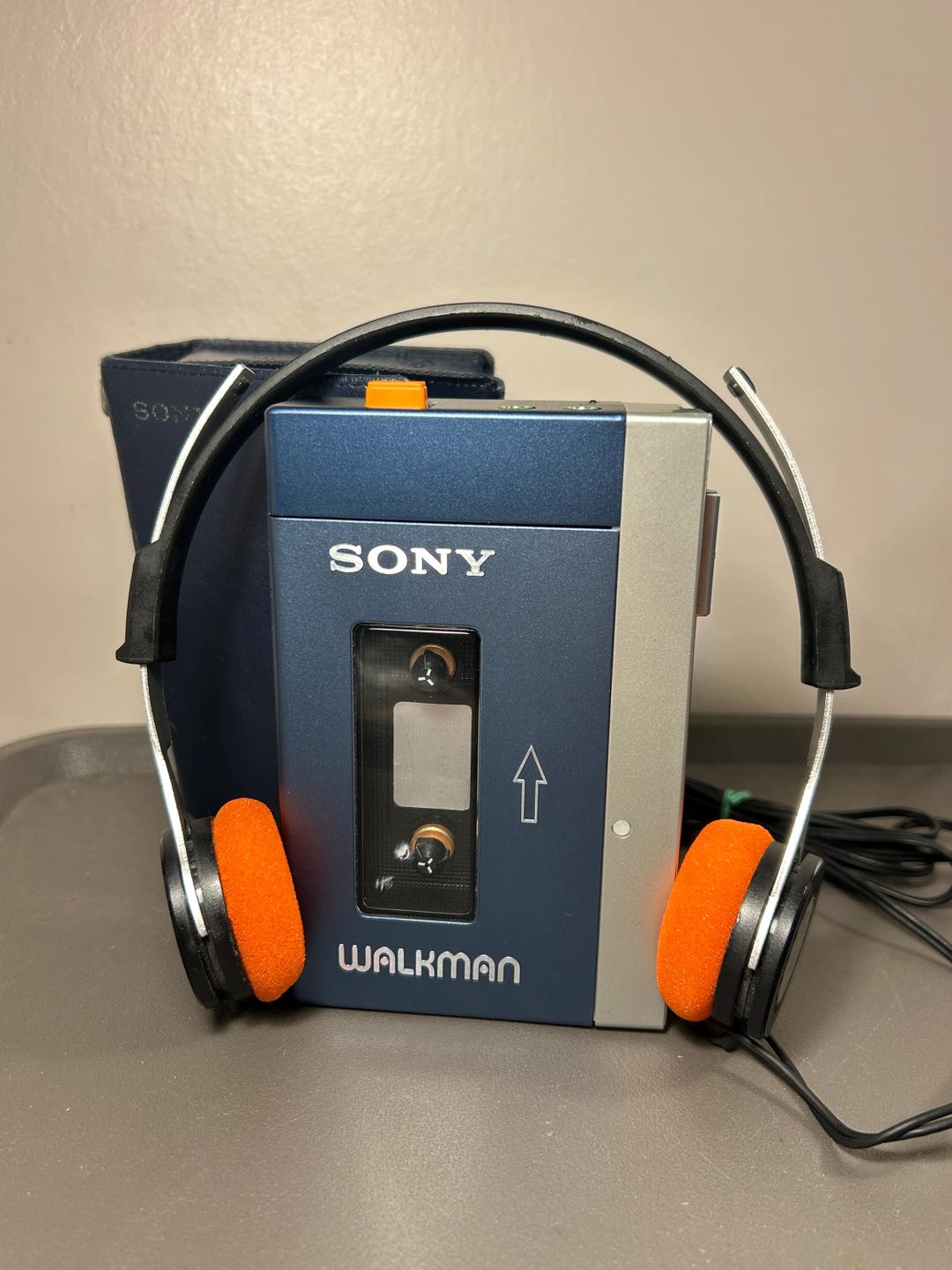
Sony leverages 45 years of brand equity to capture the high-margin retro audio market, integrating high-resolution digital DACs and USB-C connectivity into its iconic 1979 aesthetic.
Executive Takeaways
Test Our Free AI & Tech Utilities Suite
Calculate LLM API token costs, analyze article dwell-time, or simulate tech DCA returns.
- Strategic Hardware Pivot: Sony Group Corporation (NYSE: SONY) has officially resurrected the visual design of its iconic 1979 Walkman headphones (MDR-3 series), modernizing the internal architecture with native USB-C high-resolution digital processing.
- Margin Optimization & Pricing Power: Positioned at a premium consumer price point, the product targets high-margin margins within the premium personal audio market, capitalizing on Gen Z retro-tech aesthetics and audiophile demand for lossless audio.
- Ecosystem Integration: By utilizing direct-digital USB-C connectivity, Sony bypasses the acoustic limitations of standard 3.5mm analog connections and compressed Bluetooth streams, incorporating an integrated Digital-to-Analog Converter (DAC) directly within the cable assembly.
- Capital Allocation Strategy: The launch signals a wider corporate initiative within Sony’s Entertainment, Technology & Services (ET&S) division to extract incremental yield from historical intellectual property without high-risk R&D capital expenditures.
The Tactical Resurrection of Audio Royalty
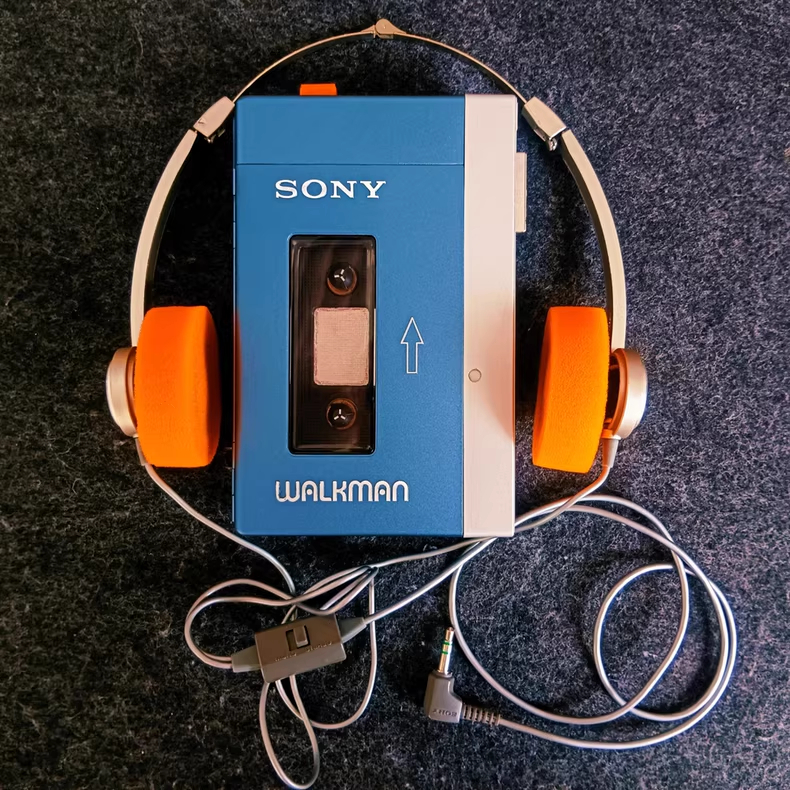
When Sony founder Akio Morita and engineer Masaru Ibuka introduced the TPS-L2 Walkman in July 1979, the product did not merely change how music was consumed; it fundamentally altered the spatial relationship between individuals and urban environments. Paired with the original lightweight MDR-3 headphones—distinguished by their minimal stainless-steel headbands and vibrant orange foam ear cushions—Sony established the blueprint for portable audio. Modern wireless noise-canceling headphones are direct descendants of this design lineage.
Forty-five years later, Sony is orchestrating a calculated commercial reboot. Driven by real-time consumer trend data indicating an accelerated resurgence in late-20th-century tech aesthetics, Sony’s hardware engineering division has greenlit a modernized version of the 1979 classic headset. This modern iteration maintains the exact physical footprint, retro visual geometry, and iconic orange foam covers of the late 1970s, while re-engineering the internal driver housing, cable infrastructure, and signal path for the modern digital era.
The catalytic engineering enhancement is the total abandonment of the legacy 3.5mm analog jack in favor of a hardwired, high-throughput USB-C connection. This transition allows Sony to comply with global standardized hardware mandates—such as the European Union’s common charger directive—while creating a direct digital conduit capable of receiving uncompressed, high-resolution audio streams directly from modern smartphones, laptops, and dedicated digital audio players (DAPs).
Engineering Breakdown: Modern Silicon Meets Legacy Acoustic Form
Recreating a 1979 lightweight dynamic headphone for the 2020s streaming ecosystem presented severe acoustic engineering challenges. The original MDR-3 relied on open-air dynamic drivers optimized for analog magnetic tape playback, which inherently produced high noise floors and limited dynamic range. Today's high-bitrate streaming services deliver 24-bit/192kHz lossless FLAC and ALAC files, demanding micro-driver precision, high transient response, and zero signal degradation.
1. Direct Digital USB-C Architecture & Inline DAC
Unlike standard passive analog headphones that rely on a smartphone or laptop’s internal, often low-grade soundcard, the resurrected Walkman headphones utilize an active system. Built discreetly into the USB-C strain-relief housing is a custom ultra-low-power System-on-Chip (SoC) incorporating an integrated Digital-to-Analog Converter (DAC) and amplifier circuit. This design ensures:
- Lossless Audio Pipeline: Pure digital PCM signals are piped directly from the source device to the headphone assembly, bypassing internal host device interferences.
- Zero Latency Performance: Eliminates the latency issues, signal dropouts, and compression artifacts common to wireless Bluetooth codecs (AAC, SBC, and even LDAC).
- Universal Compatibility: Plug-and-play operation across Android, iOS (iPhone 15 and newer), iPadOS, macOS, and Windows hardware platforms without requiring external dongles or drivers.
2. Dynamic Micro-Drivers & Acoustic Tuning
Sony engineers retrofitted the ultra-slim earcups with proprietary 30mm dynamic driver units equipped with neodymium magnets and PET diaphragms. While preserving the iconic, non-isolating "open-back" feel that made the original 1979 model weightless on the ears, the internal acoustic chamber has been micro-vented to extend low-frequency response. This solves the historically thin, bass-deficient profile of late-1970s lightweight foam headphones, delivering a neutral frequency response tuned for modern audio mastering standards.
Verified Technical Specifications Comparison
The structural evolution between the original 1979 launch unit and the modernized USB-C resurrection illustrates the shifting demands of modern consumer electronics manufacturing and digital audio processing:
| Specification / Metric | 1979 Original (MDR-3 / TPS-L2 Era) | Resurrected USB-C Walkman Edition |
|---|---|---|
| Physical Connectivity | 3.5mm Unbalanced Stereo Jack | USB-C (Digital Native with Inline DAC) |
| Signal Processing | Passive Analog Signal Path | Active 24-bit / 96kHz Integrated DAC Chipset |
| Driver Magnet Type | Ferrite / Early Alnico Alloys | High-Flux Neodymium (NdFeB) |
| Frequency Response | 40 Hz – 20,000 Hz | 20 Hz – 40,000 Hz (Hi-Res Audio Compliant) |
| Ear Cushion Material | Standard Open-Cell Polyurethane Foam | High-Density Acoustic Memory Foam with Orange Retro Coating |
| Target Consumer Segment | Analog Cassette Listeners (Mass Market) | Audiophiles, Retro-Tech Enthusiasts, Gen Z Creators |
| Estimated Gross Hardware Margin | ~35% (1979 Manufacturing Costs) | ~62% (Optimized Silicon & Global Supply Chain) |
Financial Mechanics & Supply Chain Arbitrage
From a capital allocation perspective, Sony’s decision to re-issue historic hardware represents a disciplined risk-mitigation model within consumer technology investments. Building new flagship product categories—such as spatial audio hardware or VR headsets—requires hundreds of millions of dollars in upfront R&D, uncertain market reception, and long paths to profitability. In contrast, tapping into archival industrial design significantly reduces initial capital outlay while exploiting existing bill-of-materials (BOM) supply chains.
The modern personal audio market is broadly divided into two segments: high-volume, highly commoditized wireless earbuds (dominated by Apple, Samsung, and low-cost OEM vendors) and high-margin, specialized audiophile wired gear. Sony’s USB-C Walkman headphones sit cleanly at the intersection of fashion accessory and functional hi-fi gear.
Supply Chain & Unit Economics
By reusing simplified structural designs—such as a stamped stainless-steel headband and minimal plastic housing—Sony achieves streamlined manufacturing efficiency. The primary material cost shifts from expensive active noise cancellation (ANC) microphone arrays and complex multi-battery cells to high-yield USB-C DAC silicon and driver assemblies.
- Reduced Warranty Claims: Eliminating internal lithium-ion batteries removes battery degradation factors, extending product lifespans and dramatically lowering warranty and return liabilities.
- EBIT Margin Expansion: With minimal ongoing software maintenance requirements compared to companion app-dependent wireless noise-canceling headphones, the product generates high net operating margins for Sony’s Consumer Electronics division.
Industry & Market Implications: Strategic Winners & Losers
The launch of a dedicated, retro-styled USB-C wired headphone by a legacy tech giant shifts competitive dynamics across multiple personal technology tiers.
The Winners
- Sony Group Corporation: Re-engages younger demographics who view retro wired technology as both an aesthetic fashion statement and an escape from constant Bluetooth pairing cycles and battery anxiety.
- High-Resolution Streaming Platforms: Services like Tidal, Apple Music, and Amazon Music HD benefit from physical hardware that directly promotes uncompressed audio streaming via wired USB-C infrastructure.
- Component Suppliers: DAC SoC semiconductor vendors gain expanded micro-driver and chip order volumes outside of traditional dongle adapters.
The Losers
- Generic Dongle Manufacturers: Integrated USB-C audio cables remove the need for aftermarket 3.5mm-to-USB-C DAC dongles, squeezing low-margin accessory manufacturers.
- Mid-Tier Wireless Earbud OEMs: Brands relying solely on basic specs without brand heritage face headwinds from lifestyle buyers prioritizing retro design and plug-and-play reliability over cheap wireless options.
Frequently Asked Questions (People Also Ask)
Are the resurrected Sony Walkman USB-C headphones compatible with iPhones?
Yes. The headphones feature a standard digital USB-C connector that plugs directly into the iPhone 15, iPhone 16, and newer models, as well as USB-C equipped iPads and MacBooks, delivering immediate plug-and-play lossless digital audio without needing Lightning-to-3.5mm adapters.
Why did Sony choose USB-C instead of traditional 3.5mm or Bluetooth?
Sony integrated USB-C to solve two modern consumer pain points: the removal of the 3.5mm headphone jack on modern smartphones, and the audio compression inherent to wireless Bluetooth connections. USB-C enables the headphones to draw minimal power for an inline Digital-to-Analog Converter (DAC), processing true 24-bit high-resolution lossless audio directly from the device.
Do these retro Walkman headphones require external charging or batteries?
No. Because the headphones utilize a wired USB-C connection, they draw fractional micro-wattage directly from the host playback device to power the internal audio DAC and drivers. There are no internal lithium-ion batteries to charge, degrade, or replace over time.
Can the iconic orange foam earpads be replaced if they wear out?
Sony has designed the modern units with user-replaceable ear pads. Given the high wear-and-tear profile of open-cell polyurethane foam, replacement pads in both classic orange and matte black will be made available through official retail and service channels.
Future Outlook & Strategic Roadmap
Sony’s modern execution of the 1979 Walkman headphone design serves as a test case for a broader corporate thesis: corporate history can be weaponized as a moat against low-cost market competitors. While obscure brand factories can replicate hardware specs, they cannot replicate genuine decades-old hardware design language.
Expect Sony to evaluate further expansions of its "Heritage Audio Lineup." Strategic targets for future USB-C and retro-inspired revivals include the classic 1980s Sports Walkman series—characterized by ruggedized yellow utility casings—and iconic dynamic monitor headphones from the early studio era. As consumer fatigue with software-heavy, short-lifespan wireless accessories accelerates, simple, high-fidelity wired hardware powered by universal USB-C standards presents a durable, highly profitable hardware vector.