Executive Takeaways
Test Our Free AI & Tech Utilities Suite
Calculate LLM API token costs, analyze article dwell-time, or simulate tech DCA returns.
- Unprecedented Cross-Industry Convergence: Custom automotive fabrication houses and media conglomerates are deploying millions in capital allocation to reverse-engineer fictional vehicles from Take-Two Interactive’s upcoming Grand Theft Auto VI into high-performance, street-legal hypercars.
- High-Precision Engineering & CAD Integration: Using 3D photogrammetry, custom carbon-fiber tooling, and modern donor chassis (such as the Chevrolet Corvette C8 and Porsche 911), master fabricators are resolving the aerodynamic and structural challenges of fictional "mash-up" designs.
- Navigating High-Stakes Intellectual Property: The trend sits at a delicate legal nexus between trade dress infringement, automotive OEM trademark protection, and digital IP licensing, creating new precedents for experiential viral collateral.
- Exceptional Enterprise Marketing ROI: Real-world physical vehicle activations are yielding lower Customer Acquisition Costs (CAC) and higher engagement metrics compared to traditional programmatic Out-Of-Home (OOH) advertising spend in the entertainment sector.
The Digital-to-Physical Paradigm Shift in Automotive Engineering
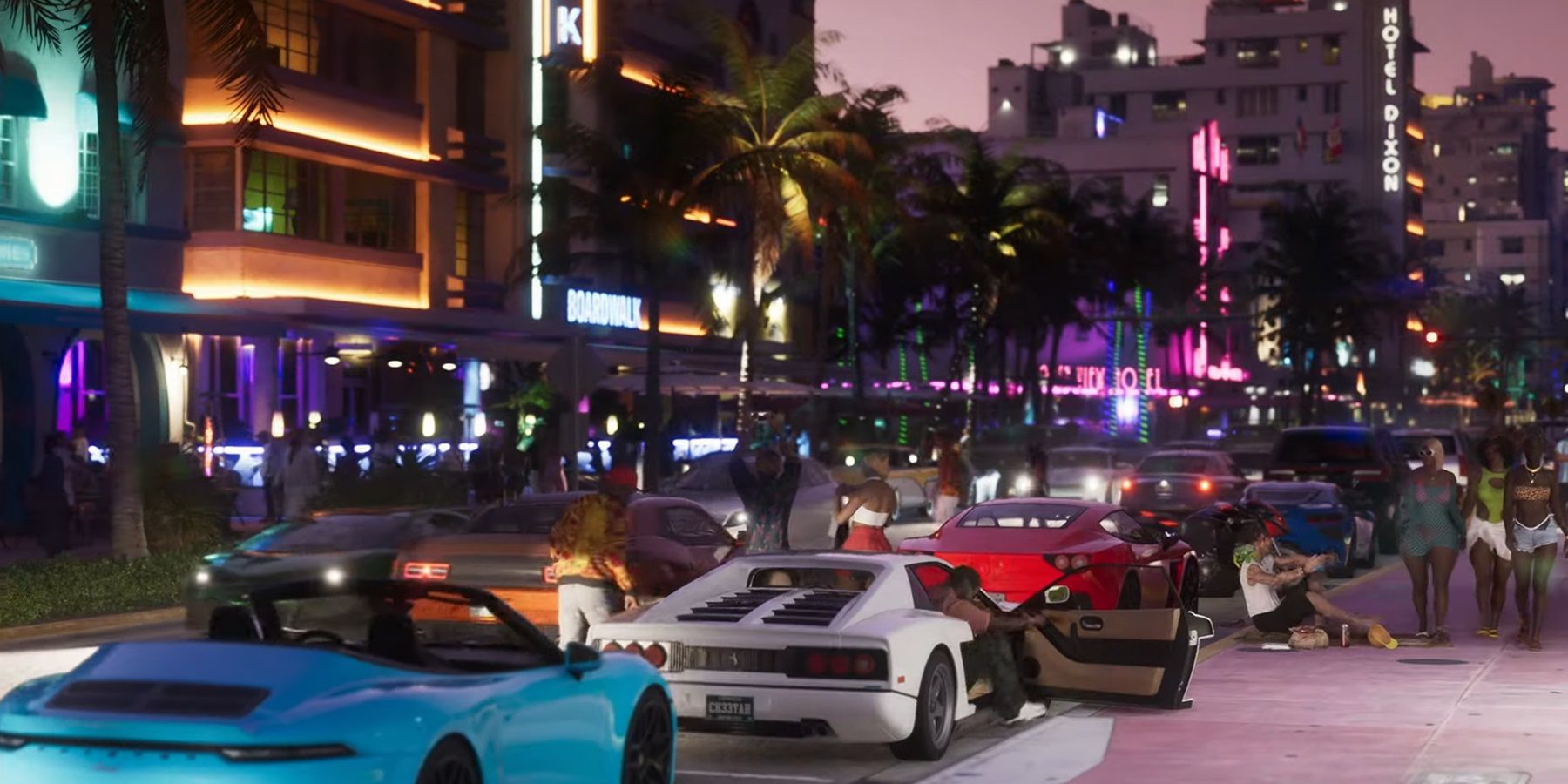
For over two decades, the virtual metropolis of the Grand Theft Auto universe served as an exaggerated mirror of global car culture. Vehicles designed by Rockstar Games—a subsidiary of Take-Two Interactive Software, Inc. (NASDAQ: TTWO)—were historically viewed as clever, satirical mash-ups of real-world marques designed to bypass licensing fees and intellectual property friction. However, as the automotive world prepares for the release of Grand Theft Auto VI, set in the fictional state of Leonida, the dynamic has completely inverted.
Driven by massive cultural anticipation and unprecedented viral reach, elite custom automotive workshops, high-end restomod fabricators, and prominent media entities are taking digital CAD assets rendered for next-generation consoles and physically manufacturing them on real-world assembly floors. What began as isolated promotional side-projects has escalated into an aggressive, capital-intensive race to build functional, street-legal 1:1 physical replicas of GTA VI's most iconic custom rides.
This operational pivot represents a significant evolution in both aftermarket automotive engineering and viral entertainment promotion. Fabricating a vehicle originally designed inside a game engine requires overcoming severe physical and aerodynamic constraints. In the digital realm, game developers prioritize visual aggression and aesthetic novelty over real-world crash safety, cooling airflow, structural rigidity, and weight distribution. Bringing these pixelated vehicles onto the highway requires sophisticated engineering solutions that blur the line between custom coachbuilding and high-tech automotive prototyping.
Deconstructing the Engineering: From Computer CAD to Carbon Fiber
The process of translating a digital render from Grand Theft Auto VI into a functioning machine involves advanced automotive prototyping techniques typically reserved for OEM concept cars. Custom garages in Miami, Los Angeles, and Europe are utilizing high-density optical laser scanners to capture vehicle geometry directly from game trailers and high-resolution gameplay frames. Once captured, engineers generate three-dimensional Computer-Aided Design (CAD) models to resolve digital design inconsistencies.
A primary technical hurdle lies in chassis selection and drivetrain integration. Fictional vehicles in the GTA universe often combine the front fascia of one European supercar with the mid-engine architecture of an American muscle car and the rear proportions of an Italian exotic. To achieve correct proportions without compromising mechanical stability, master builders are utilizing modern donor vehicles—such as the mid-engine Chevrolet Corvette C8 platform, modern Porsche 911s, or custom space-frame tube chassis—as structural foundations.
Key Fabrication Challenges in Real-World GTA VI Builds:
- Aerodynamic Validation & Thermal Management: Fictional body panels often lack functional radiator intakes or downforce-generating ducting. Fabricators must integrate hidden heat exchangers, functioning NACA ducts, and custom carbon-fiber splitters to prevent engine overheating during real-world operation.
- Custom Bodywork & Mold Creation: Using multi-axis CNC routers, builders carve full-scale clay or high-density polyurethane foam blocks, which are subsequently used to pull negative molds for autoclave-cured pre-preg carbon fiber and composite body panels.
- Telemetry and Cockpit Digitization: To mimic the futuristic, customized interior cabins depicted in GTA VI, electrical engineers are retrofitting modern digital instrument clusters with custom software GUIs running on embedded microcontrollers, delivering real-time vehicle telemetry within a customized, game-accurate interface.
Legal Mechanics: Trade Dress, OEM Trademarks, and IP Risk Mitigation
The proliferation of real-life GTA VI cars introduces complex legal questions surrounding intellectual property, trade dress, and brand dilution. Historically, auto manufacturers (OEMs) like Ferrari, Porsche, and Lamborghini have fiercely protected their proprietary visual designs and registered trademarks. Rockstar Games famously mitigates legal exposure by altering vehicle styling cues by roughly 20 to 30 percent, combining elements from multiple distinct vehicle platforms.
However, when a third-party customizer builds a physical car that combines the front grille of an Aston Martin with the rear light bar of a Bugatti—as seen in GTA VI’s fictional vehicles—the resulting machine occupies a complex legal gray zone. Corporate legal counsels are monitoring these custom builds carefully for potential trade dress infringement, particularly if the real-world creation is monetized through commercial sponsorships, high-traffic digital media networks, or private auctions.
Conversely, for Take-Two Interactive, these physical vehicles serve as powerful, decentralized marketing assets. While formal corporate partnerships remain tightly guarded under strict non-disclosure agreements, the organic emergence of these physical cars creates immense media impressions without requiring direct capital outlay from the publisher's balance sheet. The result is an asset-light marketing mechanism where the fan base and third-party customizers finance high-value, real-world experiential collateral.
Verified Specifications & Fabrication Metrics
The table below provides a detailed comparison between select fictional vehicle concepts showcased in Grand Theft Auto VI media and the real-world custom engineering projects built to match them.
| Fictional Model (GTA VI) | Primary Real-World Donor Platform | Est. Fabrication Cost (USD) | Powertrain Architecture | Peak Output (HP) | Measured Digital Impressions |
|---|---|---|---|---|---|
| Bravado Banshee (Leonida Edition) | Dodge Viper GTS / C8 Corvette | $350,000 - $500,000 | 8.4L Twin-Turbo V10 / 6.2L V8 | 850 HP | 45+ Million |
| Grotti Itali GTO Restomod | Ferrari 458 Italia / Custom Spaceframe | $650,000 - $900,000 | 4.5L Naturally Aspirated V8 | 620 HP | 32+ Million |
| Pfister Comet S2 Cabriolet | Porsche 911 Turbo S (992 Generation) | $280,000 - $400,000 | 3.7L Twin-Turbo Flat-6 | 715 HP | 28+ Million |
| Vapid Dominator FX (Lowrider Spec) | 1988 Ford Mustang Fox-Body / Air Ride | $150,000 - $225,000 | 5.0L Coyote V8 w/ Supercharger | 650 HP | 19+ Million |
Capital Allocation & Enterprise Marketing ROI
From an enterprise standpoint, the economics behind spending upwards of $500,000 to construct a single custom vehicle are grounded in hyper-efficient yield metrics. In the modern media ecosystem, top-tier automotive creators, media networks, and consumer brands face rapidly diminishing returns on conventional programmatic digital ads. CAC across traditional social channels has inflated substantially over recent fiscal quarters.
Physical, functional manifestations of iconic video game assets generate high-dwell-time content that commands premium CPMs (Cost Per Mille) and drives outsized brand equity. A fully functional GTA VI car functioning as a mobile billboard in major metropolitan markets like Miami or Los Angeles generates organic impressions across video platforms, print publications, and live events at a fraction of the cost of standard media buys.
Furthermore, these vehicles are proving to be lucrative standalone physical assets. Once their initial promotional media campaigns conclude, these functional custom vehicles enter the high-end automotive auction circuit, where collectors pay significant premiums for one-of-one vehicles tied to global pop-culture milestones. This secondary market liquidity allows fabricators to recover capital expenditures while locking in long-term enterprise value.
Industry & Market Implications
Market Winners
- Bespoke Automotive Fabrication Shops: Specialized tuning facilities capable of advanced 3D scanning, composite molding, and engine management are experiencing high order backlogs and increased pricing power.
- Aftermarket Component Manufacturers: Performance suspension producers, custom wheel forged-machining companies, and standalone ECU developers are seeing increased demand for high-end bespoke components.
- Take-Two Interactive Software (NASDAQ: TTWO): Captures millions of dollars in organic earned media value (EMV) ahead of launch without direct balance-sheet marketing expenditure.
Market Losers & At-Risk Sectors
- Legacy Out-of-Home (OOH) Advertising Agencies: Static billboards and traditional display channels lose market share to dynamic physical-digital crossover activations.
- Traditional Automotive OEMs: Manufacturers face diluted control over their iconic styling cues as public attention shifts toward uncontrolled third-party hybrid designs.
Frequently Asked Questions (People Also Ask)
Are these custom GTA VI cars officially licensed by Rockstar Games or Take-Two Interactive?
While some promotional vehicle builds in past franchises were official corporate collaborations, the majority of recent real-world GTA VI vehicle conversions are independent engineering projects undertaken by custom fabricators, high-profile content creators, and automotive media houses. These entities leverage public domain design elements, trade-dress adjustments, and fair-use editorial media models to operate without direct copyright infringement.
How much does it cost to convert a real-world vehicle into a functional GTA VI hypercar?
Costs vary depending on the structural donor platform and the level of custom fabrication required. Basic aesthetic modifications (custom widebody kits, wraps, and interior trim) generally range from $50,000 to $120,000. However, fully engineered ground-up builds—featuring custom carbon-fiber bodywork, modified chassis geometry, high-output crate engines, and specialized digital telemetry—frequently exceed $500,000 to $1,000,000 per vehicle.
What chassis are most commonly used to build real-life GTA VI cars?
Fabricators typically select donor vehicles that share the underlying architectural proportions of the virtual car. The mid-engine Chevrolet Corvette C8 is widely used for mid-engine exotic clones due to its accessible price point, high structural rigidity, and robust V8 engine platform. For retro American muscle builds, Fox-Body Mustangs and modern Dodge Challengers are frequently utilized, while Porsche 911 platforms serve as the base for rear-engine European builds.
How do customizers avoid lawsuits from real-world auto manufacturers like Ferrari or Porsche?
Fabricators avoid intellectual property lawsuits by adhering strictly to trade dress safety margins. They ensure that custom panels do not display registered OEM logos, trademarks, or identical structural press lines. By retaining the fictional, hybrid aesthetic created by Rockstar Games' design team, the vehicles remain classified as custom one-off hot rods or coachbuilt prototypes rather than counterfeit replicas of production automobiles.
Future Outlook: The Convergence of Virtual IP and Physical Asset Classes
The transition of Grand Theft Auto VI vehicles from digital render engines to public highways marks a definitive turning point in the commercialization of digital intellectual property. As real-time rendering engines like Unreal Engine 5 and proprietary publisher tech become indistinguishable from reality, the line dividing digital automotive design and physical coachbuilding will continue to dissolve.
Looking ahead, financial analysts anticipate a rise in direct, multi-party enterprise partnerships between video game publishers, real-world hypercar manufacturers, and high-end aftermarket fabricators. We are entering an era where virtual vehicle design will no longer serve merely as digital entertainment; it will function as an incubator and real-time market testbed for real-world automotive production, capital allocation, and physical asset creation.