Orbiting Organ Factories: In Historic First, Kidney and Liver Tissues Successfully Bioprinted in Space
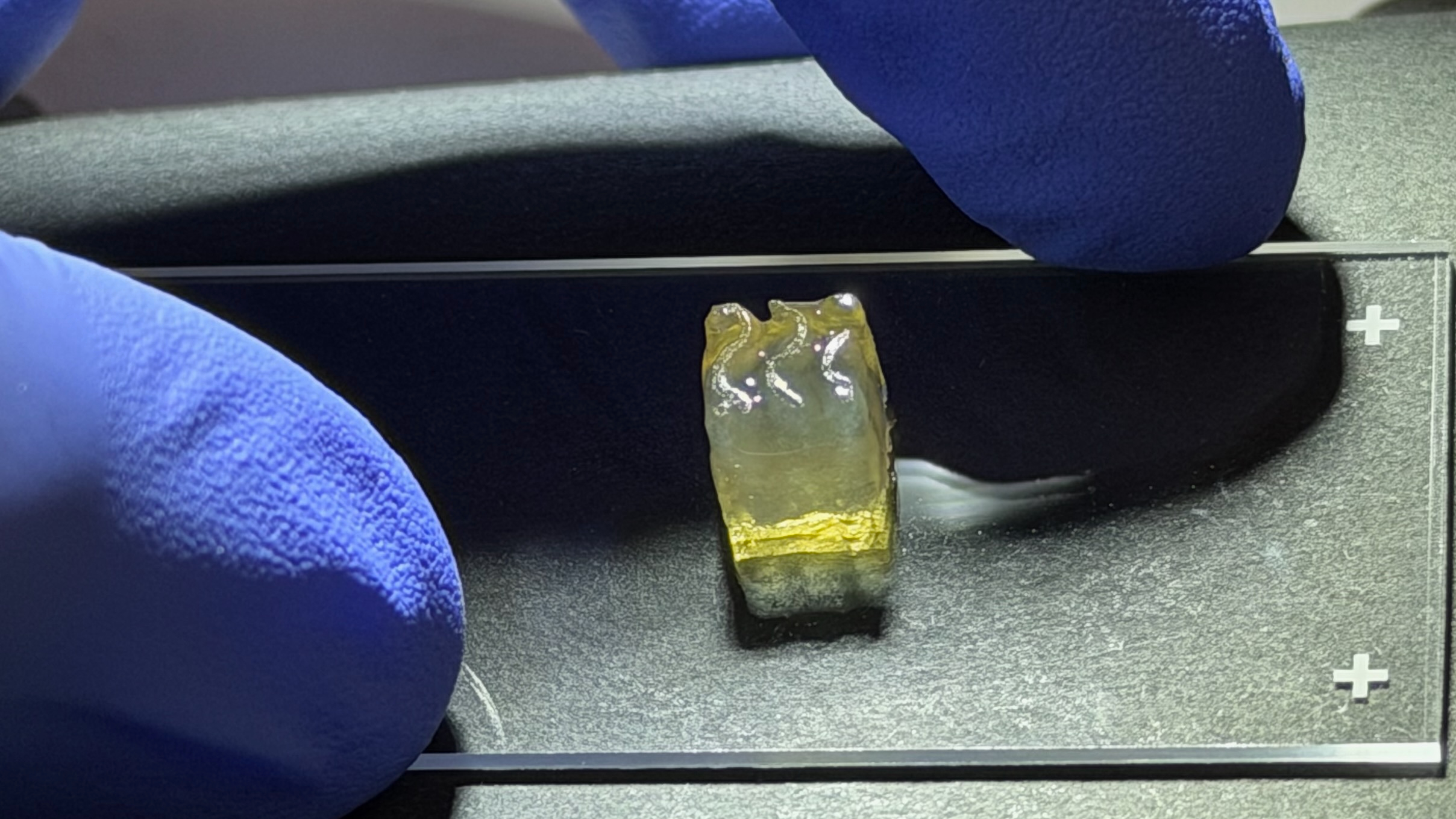
LONDON & MUMBAI — July 12, 2026 — In a watershed moment for biotechnology and the future of human longevity, scientists have successfully bioprinted functional human kidney and liver tissues in microgravity for the first time in history. The breakthrough, achieved aboard the International Space Station (ISS), marks the dawn of the "orbital manufacturing economy" and presents a radical paradigm shift for regenerative medicine on Earth.
For decades, terrestrial researchers have battled the crushing reality of gravity. On Earth, printing complex, three-dimensional human organs is an excruciatingly difficult task; without artificial scaffolding or toxic chemical binders, newly printed cellular structures collapse under their own weight. By utilizing the near-weightlessness of low-Earth orbit (LEO), scientists have bypassed gravity entirely, allowing delicate human stem cells to self-assemble into complex, thick-tissue structures with unprecedented precision.
The Gravity Deficit Dividend: Why Space is the Ultimate Laboratory
The landmark experiment, published today, was conducted using state-of-the-art bioprinting hardware installed in the ISS’s microgravity laboratory. Using a specialized bio-ink composed of human induced pluripotent stem cells (iPSCs), the printer laid down highly organized layers of kidney and liver cells. Because there is no gravity to pull the liquid bio-ink downward, the cells remained suspended in three-dimensional space, naturally forming the intricate vascular networks required to keep complex tissues alive.
"What we are witnessing is the birth of off-Earth organ manufacturing," said Dr. Aris Thorne, a leading biomedical engineer closely associated with the orbital trials. "On Earth, we are forced to use rigid biodegradable scaffolds that the body often rejects, or restrict ourselves to printing incredibly thin tissue sheets. In microgravity, the cells behave exactly as they would inside a developing embryo. They find their own structural equilibrium, forming natural capillaries and cellular junctions that have proved impossible to replicate in terrestrial labs."
Executive Summary: Key Takeaways of the Breakthrough
- Scaffold-Free Bio-assembly: Microgravity eliminates the need for synthetic, temporary structural supports, allowing tissues to develop naturally without foreign body rejection risks.
- Advanced Vascularization: The printed liver and kidney tissues successfully developed microvascular networks—the holy grail of organ engineering—ensuring cells receive vital nutrients deep within the tissue.
- Pharma Revolution: Pharmaceutical giants can now utilize these highly accurate, space-printed human tissues to conduct rapid drug toxicity testing, bypassing the ethical and physiological limitations of animal testing.
- Targeting the Transplant Crisis: Globally, over 150,000 people are currently waiting for kidney or liver transplants. This breakthrough paves the direct path toward printing patient-specific, fully compatible organs on demand.
The Economic Implications of Orbit-to-Earth Manufacturing
For global markets and venture capitalists, this bioprinting milestone translates to a high-yield frontier. The space economy, long dominated by telecommunications, defense, and tourism, is now firmly anchored in high-value biomanufacturing. Analysts at major Wall Street firms estimate that the market for space-manufactured medical products could scale to $18 billion by 2035.
Because the logistics of shipping living organs from orbit back to Earth present extreme challenges, the immediate commercial application will center on drug discovery. A printed human liver patch on the ISS can be used to test new therapeutics, shaving years and hundreds of millions of dollars off the traditional FDA approval pipeline. However, the long-term play is undeniable: specialized orbital factories designed exclusively to print whole human organs for patients waiting on transplant lists.
| Feature / Parameter | Terrestrial Bioprinting (Earth) | Space-Based Bioprinting (Microgravity) |
|---|---|---|
| Need for Structural Scaffolds | High (Mandatory to prevent structural collapse) | None (Self-supporting cellular structures) |
| Vascularization Potential | Extremely limited; capillaries collapse easily | High; natural formation of micro-vessels |
| Cellular Density & Thickness | Low; restricted to thin tissue sheets | High; capable of printing thick, complex 3D structures |
| Primary Commercial Use (Immediate) | Localized research and skin grafts | Advanced drug screening and organ-on-a-chip models |
Bridging the Last Mile: Technical and Regulatory Hurdles
Despite the euphoria surrounding this scientific milestone, significant logistical hurdles remain before space-printed organs make their way to local hospitals. The first is "cold chain" logistics: returning delicate biological tissue through the intense heat and vibration of atmospheric re-entry without damaging the cellular matrix is an engineering feat in itself. Private aerospace companies are already designing specialized, shock-absorbent, temperature-controlled return capsules specifically for biomedical payloads.
Furthermore, regulatory bodies like the FDA and the European Medicines Agency (EMA) face an entirely new domain of oversight. Establishing sterile manufacturing standards (Good Manufacturing Practices, or GMP) in low-Earth orbit will require unprecedented collaboration between aerospace engineers, microbiologists, and international policymakers.
"We are no longer just exploring space; we are utilizing its unique physics to heal humanity," says Marcus Vance, an aerospace investment analyst. "The companies that secure the intellectual property and logistics corridors for orbital biomanufacturing today will be the healthcare giants of tomorrow."
Frequently Asked Questions
Why can't we print these complex organs on Earth?
On Earth, gravity pulls liquid bio-inks downward, causing complex 3D structures to collapse into flat puddles before they have time to mature or develop cellular bonds. To prevent this, Earth-bound scientists must use synthetic scaffolds, which are often rejected by the human immune system, or limit their printing to incredibly thin, simple tissue layers.
When can patients expect space-printed organs to be available for transplant?
While tissue patches for drug testing and localized therapeutic implants will likely enter clinical trials within the next three to five years, printing fully functional, transplantable whole organs (like an entire kidney or liver) and safely transporting them back to Earth is expected to take another decade of intense research, testing, and regulatory vetting.