Orbiting Cures: How the International Space Station is Revolutionizing Human Health on Earth
WASHINGTON — For decades, the primary critique of humanity's multi-billion-dollar investment in space exploration has been rooted in terrestrial pragmatism: Why look to the stars when we have profound crises to solve on Earth? Yet, a comprehensive body of data released by NASA’s Space Station Research Integration Office answers that question with unprecedented clarity, proving that the low-Earth orbit laboratory has quietly become one of the most powerful engines for medical breakthroughs in modern history.
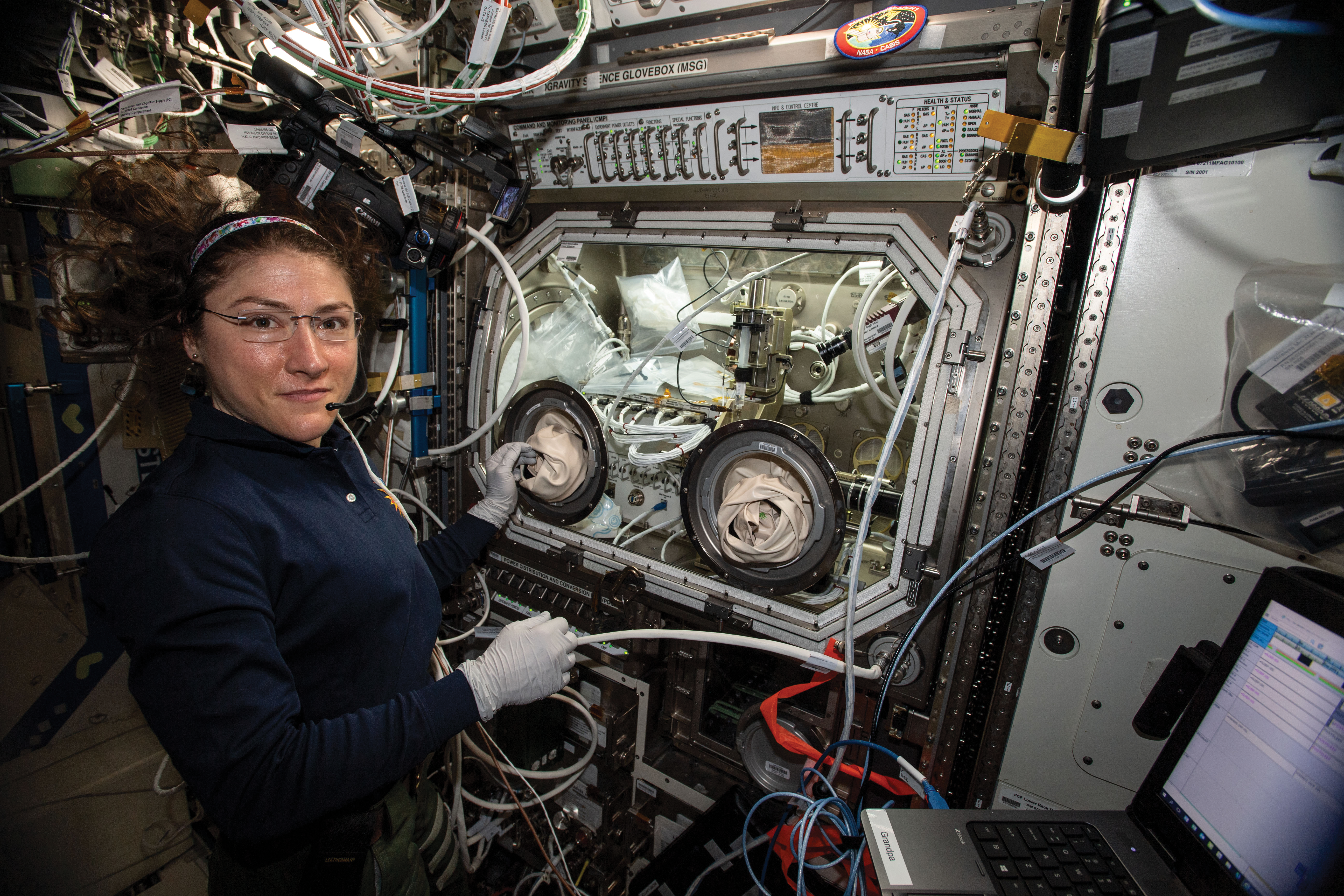
From advanced cancer therapeutics to microscopic human tissue chips that mimic vital organs, the International Space Station (ISS) is no longer just an outpost for astrophysical discovery. It is an active crucible for pharmacology and biotechnology. By removing the confounding variables of Earth’s gravity, researchers are unlocking biological mechanisms previously hidden from science, translating cosmic innovation directly into life-saving treatments for terrestrial patients.
The Microgravity Advantage: Why Space is a Pharmacist’s Laboratory
To understand the medical revolution happening 250 miles above our heads, one must look at how gravity alters fundamental biological and chemical processes. On Earth, sedimentation, convection, and buoyancy constantly interfere with fluid dynamics and crystal growth. In the microgravity environment of the ISS, these physical forces are virtually eliminated.
This pristine environment allows scientists to grow larger, more structurally perfect protein crystals than is possible in terrestrial labs. These crystals are vital for structural biology, enabling pharmaceutical researchers to map the molecular architecture of diseases with pinpoint accuracy. Armed with these precise maps, drug developers can design targeted therapies that neutralize diseases with fewer side effects.
- Protein Crystallization: Microgravity yields higher-quality crystals, accelerating the design of advanced therapeutics.
- Unrestricted Cell Growth: Without gravitational stress, stem cells and human tissues can form three-dimensional structures that mirror natural organs.
- Rapid Aging Models: Astronauts experience accelerated bone density loss and muscle atrophy, offering a fast-tracked model for studying terrestrial osteoporosis and sarcopenia.
Targeting Cancer: The New Frontier in Orbit
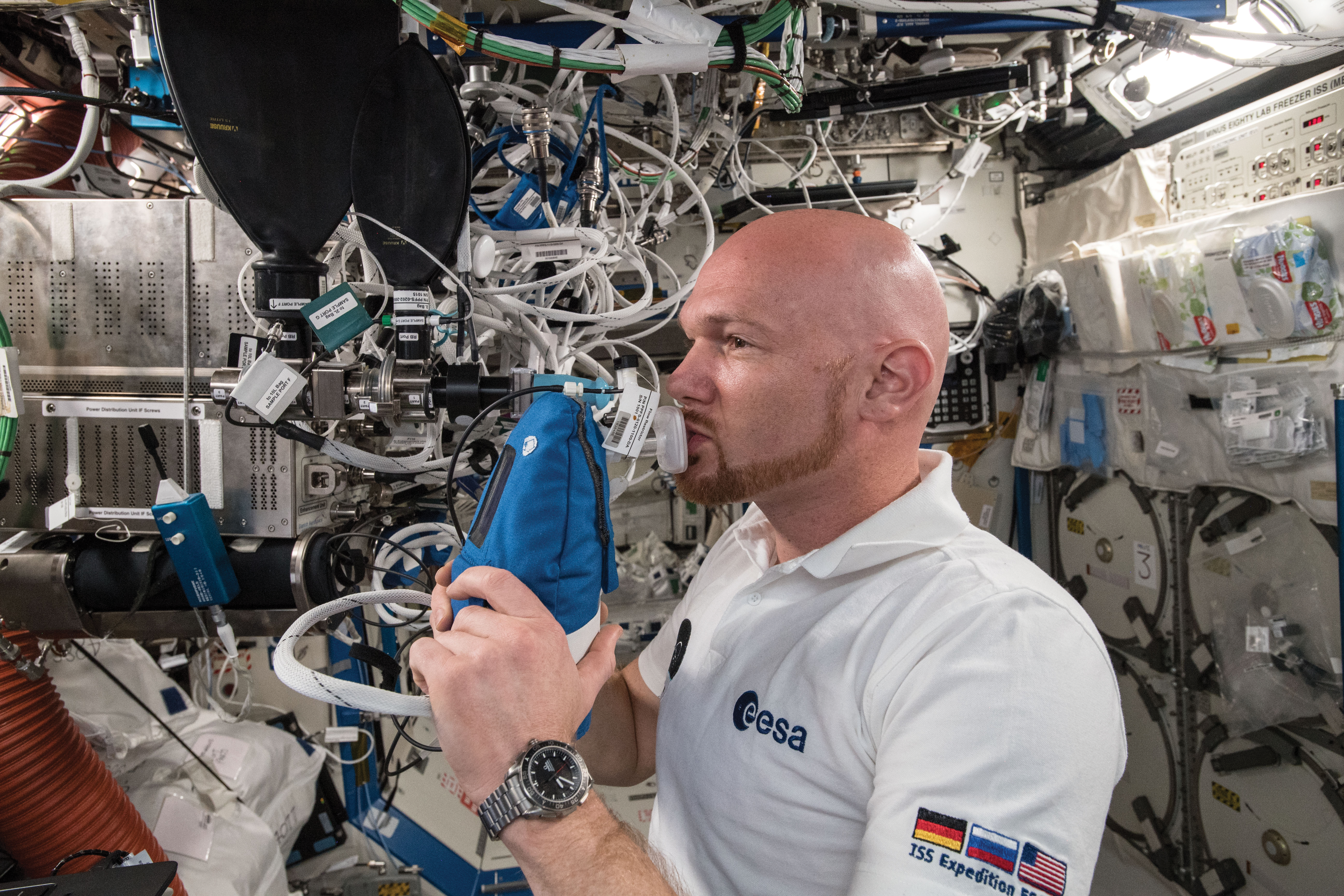
Among the most compelling areas of space-based medical research is oncology. The ISS has increasingly served as an advanced platform for seeking better cancer treatments, specifically through the optimization of monoclonal antibodies and nanoparticle drug delivery systems.
Key therapeutics, such as the cancer drug pembrolizumab (marketed as Keytruda), have been studied extensively aboard the space station. Researchers discovered that fluid dynamics in microgravity allow for the creation of more uniform, highly concentrated liquid suspensions of these drugs. On Earth, these formulations often clump or settle, necessitating intravenous administration in a clinical setting. Optimizing these drugs in space paves the way for stable, room-temperature formulations that could eventually be administered via simple injections, drastically reducing patient burden and healthcare costs.
Furthermore, advanced tissue chip research conducted on the station allows scientists to test how specific cancer therapies interact with human cells in real time, bypassing the limitations of traditional animal testing and accelerating the path to clinical trials.
"The International Space Station has transcended its original engineering mandate to become an indispensable hospital ward of the future. The biological discoveries we are making in low-Earth orbit are directly rewriting the boundaries of what is medically possible on Earth."
Key Medical Breakthroughs Originating from the ISS
The translation of space research into everyday medicine is already yielding tangible economic and clinical dividends. The following data highlights the primary medical verticals revolutionized by microgravity research:
| Research Domain | Space-Based Application | Terrestrial Patient Benefit |
|---|---|---|
| Oncology | Optimizing monoclonal antibody crystal suspensions. | Potential shift from IV infusions to simple subcutaneous injections. |
| Regenerative Medicine | Cultivating 3D human tissue chips mimicking lung, heart, and liver. | Faster drug toxicity screening and personalized medicine pathways. |
| Musculoskeletal Health | Studying rapid bone and muscle degradation in astronauts. | Novel therapeutics and preventative care models for osteoporosis. |
The Economic and Commercial Outlook
As governments look toward the retirement of the International Space Station toward the end of the decade, the commercialization of low-Earth orbit is accelerating. Private entities are stepping in to build commercial space stations, recognizing that the pharmaceutical and biotech sectors are willing to pay premium prices for orbital laboratory time.
Venture capital firms and major pharmaceutical giants—including global titans like Merck and Eli Lilly—have increasingly integrated space-based experiments into their research and development pipelines. The economic calculus is simple: if growing a protein crystal or testing a drug candidate in microgravity shaves months off the regulatory approval process or yields a blockbuster patent, the multi-million-dollar flight cost is a sound investment.
Frequently Asked Questions
How does microgravity actually help in creating better medicines?
Microgravity removes the distorting effects of gravity, such as sedimentation and fluid convection. This allows molecules, cells, and protein crystals to grow and interact in ways that are physically impossible on Earth, resulting in purer structures, more accurate disease models, and vastly improved drug formulations.
Are these space-based medical treatments available to patients today?
Yes. Several therapies that utilized ISS research��such as enhanced cancer-fighting antibody treatments—have already advanced through clinical trials and are utilized in modern oncology. Meanwhile, technologies like human tissue chips are actively being used in laboratories to screen new drugs before they enter human trials, drastically shortening development timelines.