Silicon Valley Meets the Yellow Bus: Inside the AI and Autonomous Tech Overhaul Revolutionizing Student Safety
As municipal budgets tighten and driver shortages persist, fleet operators are turning to high-definition AI cameras and predictive autonomous systems to eliminate the dreaded school bus breakdown.
NEW YORK & NEW DELHI — The iconic yellow school bus, long a low-tech staple of global childhood education, is undergoing its most radical technological transformation in a century. Spurred by compounding driver shortages, rising maintenance costs, and high-profile safety concerns, school districts are aggressively adopting autonomous vehicle (AV) technologies and artificial intelligence.
According to a landmark report by School Transportation News on February 16, 2026, the shift is no longer just about self-driving steering wheels; it is about the deployment of sophisticated predictive infrastructure. By leveraging high-definition (HD) cameras integrated with real-time AI diagnostic software, fleet operators are successfully mitigating roadside breakdowns before they even occur, fundamentally shifting the economics of pupil transportation.
---The Billion-Dollar Breakdown Battle: Why This Matters Now
For school districts, a stranded bus is more than a logistical headache—it is a high-liability security risk and a massive drain on municipal tax dollars. Unplanned mechanical failures cost school districts millions of dollars annually in emergency towing, secondary dispatching, and idle labor. More critically, they leave children vulnerable on busy roadsides.
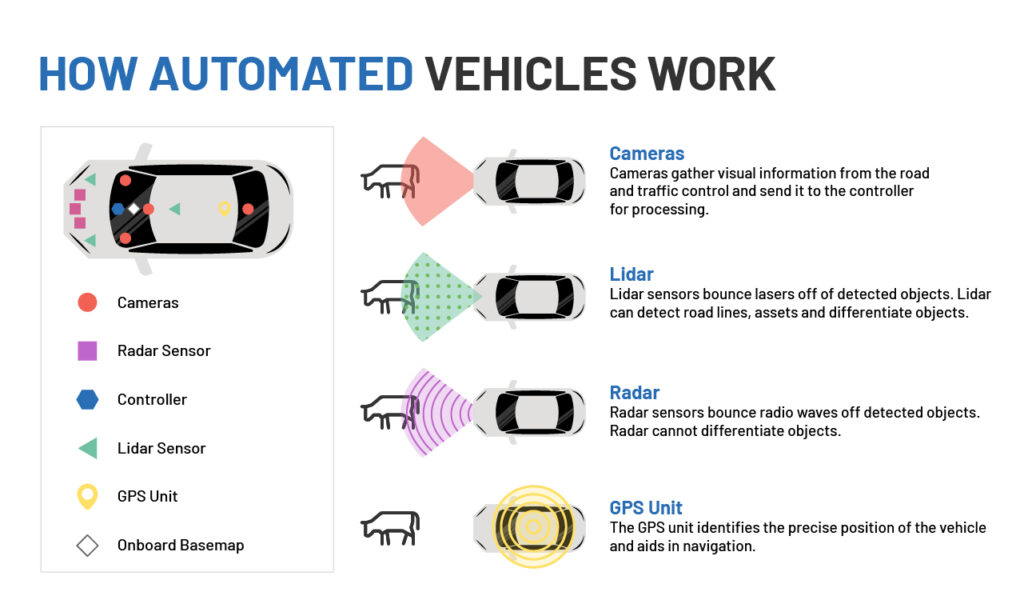
The integration of autonomous vehicle frameworks is solving this legacy pain point. Modern school buses are being retrofitted with Level 2+ and Level 4 autonomous safety systems. These systems do not just assist in steering; they act as a continuous, digital co-pilot. High-definition optical sensors and AI algorithms monitor engine vibration, brake pad thermal signatures, and battery health in real time, alerting maintenance depots days before a component actually fails.
“We are moving from a reactive model of maintenance to a highly orchestrated, predictive model,” says an industry analyst tracking municipal infrastructure spend. “The integration of AI software with optical sensors transforms every vehicle into a rolling data center. The financial savings for local governments are immediate and undeniable.”
---Key Takeaways: The Operational and Economic Shift

- Predictive Defect Detection: Integrated HD cameras monitor critical external and internal mechanical components, identifying micro-wear and anomalies invisible to the human eye during standard pre-trip inspections.
- Slashing Unplanned Downtime: Early pilot programs indicate that AI-enabled predictive maintenance can reduce roadside bus breakdowns by up to 42%, keeping routes punctual and reliable.
- Insurance Premium Reductions: Actuarial tables are shifting rapidly. Insurance conglomerates are beginning to offer premium discounts of 12% to 18% for fleets equipped with active ADAS (Advanced Driver Assistance Systems) and AI monitoring.
- Driver Deficit Mitigation: While fully driverless school buses remain a long-term regulatory hurdle, near-autonomous assistance systems lower the barrier to entry for new drivers, making the job safer and less stressful.
By The Numbers: Traditional vs. AI-Enabled Fleet Operations
The financial and operational contrast between legacy fleets and those integrated with AV-derived predictive technologies is stark. The table below outlines key performance indicators gathered from early-adopter districts across North America.
| Performance Metric | Traditional Fleet Model | AI & AV-Enabled Fleet (2026 Data) | Net Operational Impact |
|---|---|---|---|
| Annual Roadside Breakdowns (per 100 buses) | 18 Breakdowns | 4 Breakdowns | 77% Reduction |
| Average Vehicle Downtime (Days/Year) | 14.2 Days | 6.5 Days | 54% Faster Turnaround |
| Inspection Compliance Accuracy | 81% (Manual) | 99.7% (AI-Assisted Optical) | Elimination of human error |
| Average Annual Maintenance Cost per Bus | $8,200 | $5,900 | 28% Cost Savings |
Under the Hood: How HD Cameras and AI Software Prevent Failures
The technological backbone of this transition relies on high-definition camera arrays positioned both inside the engine bay and around the vehicle’s exterior. These are not standard dash cams. These optical sensors are paired with specialized edge-computing AI software designed to recognize thermal anomalies, fluid micro-leaks, and structural fatigue.
For example, if an alternator belt begins to fray or a brake caliper shows signs of uneven wear, the AI system immediately flags the issue to the dispatch center’s dashboard. The vehicle can then be scheduled for a minor, low-cost intervention overnight, avoiding a catastrophic, expensive failure on a highway filled with school children the next morning.
Furthermore, these autonomous vision systems continuously scan the external environment to protect against distracted motorists. If a vehicle approaches a stopped bus at a speed indicating it will not stop for the extended stop-sign arm, the AI system can sound an external warning siren and alert the bus driver to keep the doors closed, directly preventing pedestrian accidents.
---The Wall Street Perspective: A Massive Market Opportunity
For investors, the virtualization of municipal transport fleets represents a lucrative, untapped vertical. Companies specializing in fleet telematics, commercial vehicle computer vision, and industrial AI software are poised for high-growth recurring revenue models. As school districts transition to electric and semi-autonomous fleets, the software-as-a-service (SaaS) fees associated with managing these safety networks will become highly valuable municipal contracts.
While the broader autonomous vehicle sector has faced public skepticism regarding fully driverless passenger robotaxis, the industrial and commercial application of AV tech—particularly in controlled, geofenced routes like school districts—is quietly winning the race for commercial viability and regulatory approval.
---Frequently Asked Questions
Does this technology mean school buses will soon have no drivers?
No. For the foreseeable future, a trained adult driver or safety monitor will remain onboard school buses to manage student behavior, assist in emergencies, and oversee boarding. The goal of current AV and AI integration is to assist the driver, prevent mechanical failures, and maximize overall passenger safety, rather than replace the human element entirely.
How are school districts funding these high-tech upgrades?
Most districts are funding these upgrades through a combination of federal safety grants, clean energy transition subsidies (especially when buying new electric buses, which come pre-equipped with these technologies), and the immediate operational savings realized from reduced fuel consumption, lower maintenance costs, and decreased insurance premiums.