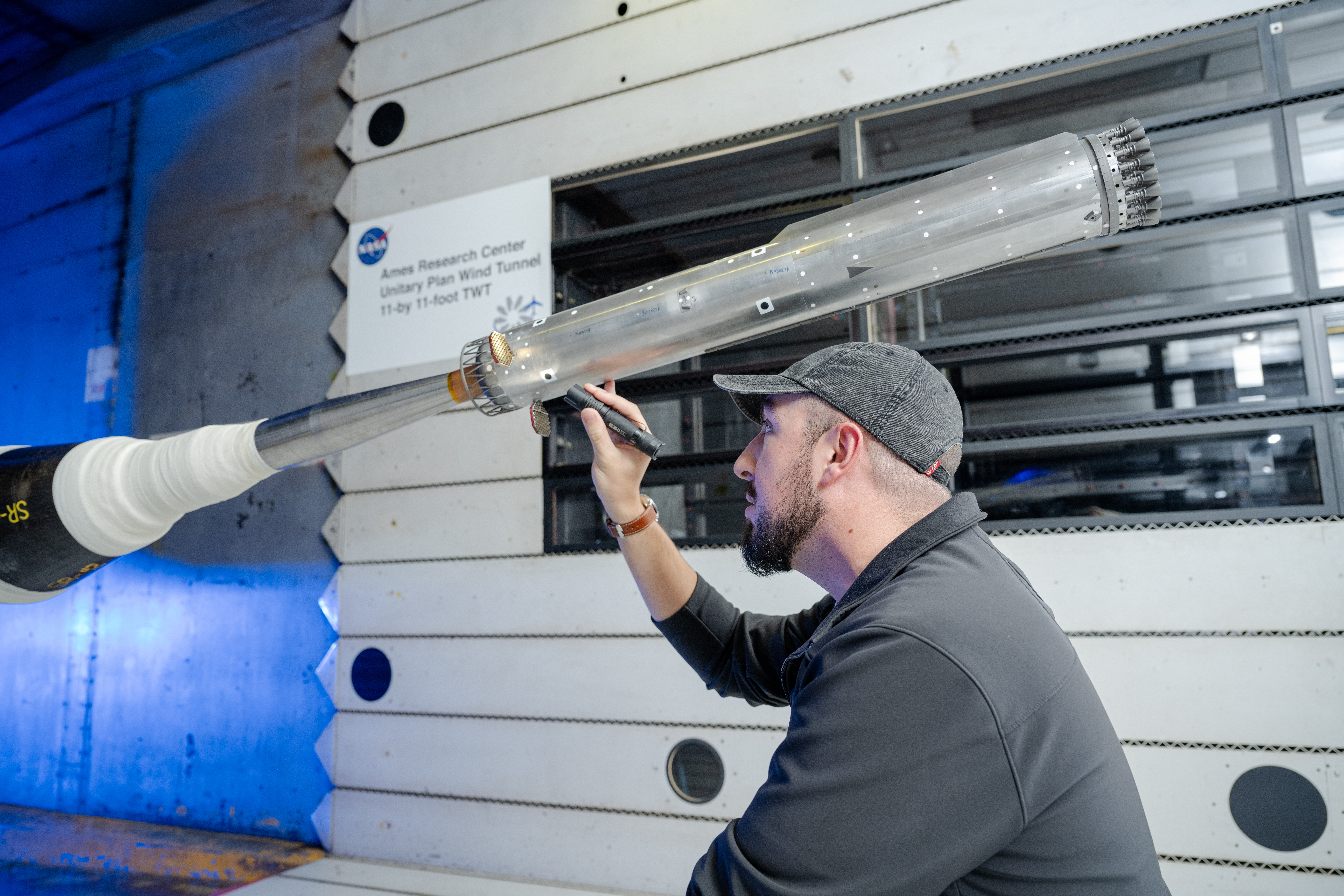
BOCA CHICA, Texas — In a watershed moment for commercial aerospace and global logistics, SpaceX successfully hurled its towering Starship megarocket into Earth orbit for the very first time. The dramatic milestone, achieved during the rigorous Flight 14 test, marks the definitive crossing of a technological Rubicon for Elon Musk’s privately held space venture and fundamentally alters the economics of deep-space exploration.
The colossal vehicle, standing nearly 400 feet tall and representing the largest and most powerful rocket ever constructed, lifted off from the company’s Starbase facility in South Texas. Trailing a blinding plume of liquid oxygen and methane fire, the spacecraft cleared the tower with thunderous authority, surging past previous flight boundaries and successfully executing orbital insertion. For SpaceX, the triumphant mission transitions Starship from an experimental prototype into a functionally proven orbital transport system.
The Anatomy of Flight 14: Overcoming the Crucible
Flight 14 was designed as a make-or-break test for a system that has endured high-profile anomalies, intense regulatory scrutiny, and immense engineering hurdles. Previous test flights offered vital telemetry but consistently fell short of achieving a stable, full-duration orbital trajectory. This time, however, upgraded thermal protection tiles, refined stage-separation dynamics, and enhanced Raptor engine performance coalesced to deliver a textbook execution.
Industry analysts point out that achieving orbit on Flight 14 validates the core architecture of the vehicle. Unlike traditional rockets designed for single-use disposability, Starship is engineered for rapid, full reusability—a paradigm shift aimed at slashing the cost of payload delivery to fractions of current market rates. With the spacecraft now proving it can survive the brutal thermal and kinetic environments of orbital insertion, attention shifts immediately toward perfecting controlled descents and structural recoveries.
Key Milestones Achieved on Flight 14
- First Successful Orbital Insertion: Starship officially reached Earth orbit, validating its multi-burn Raptor engine capabilities in the vacuum of space.
- Structural Integrity Vested: The massive stainless-steel airframe withstood maximum aerodynamic pressure (Max-Q) and extreme thermal reentry stresses significantly better than prior iterations.
- Telemetry and Guidance Validation: Advanced avionics and autonomous flight-control systems maintained precise trajectory alignment throughout the ascent phase.
Market Impact and Economic Horizons
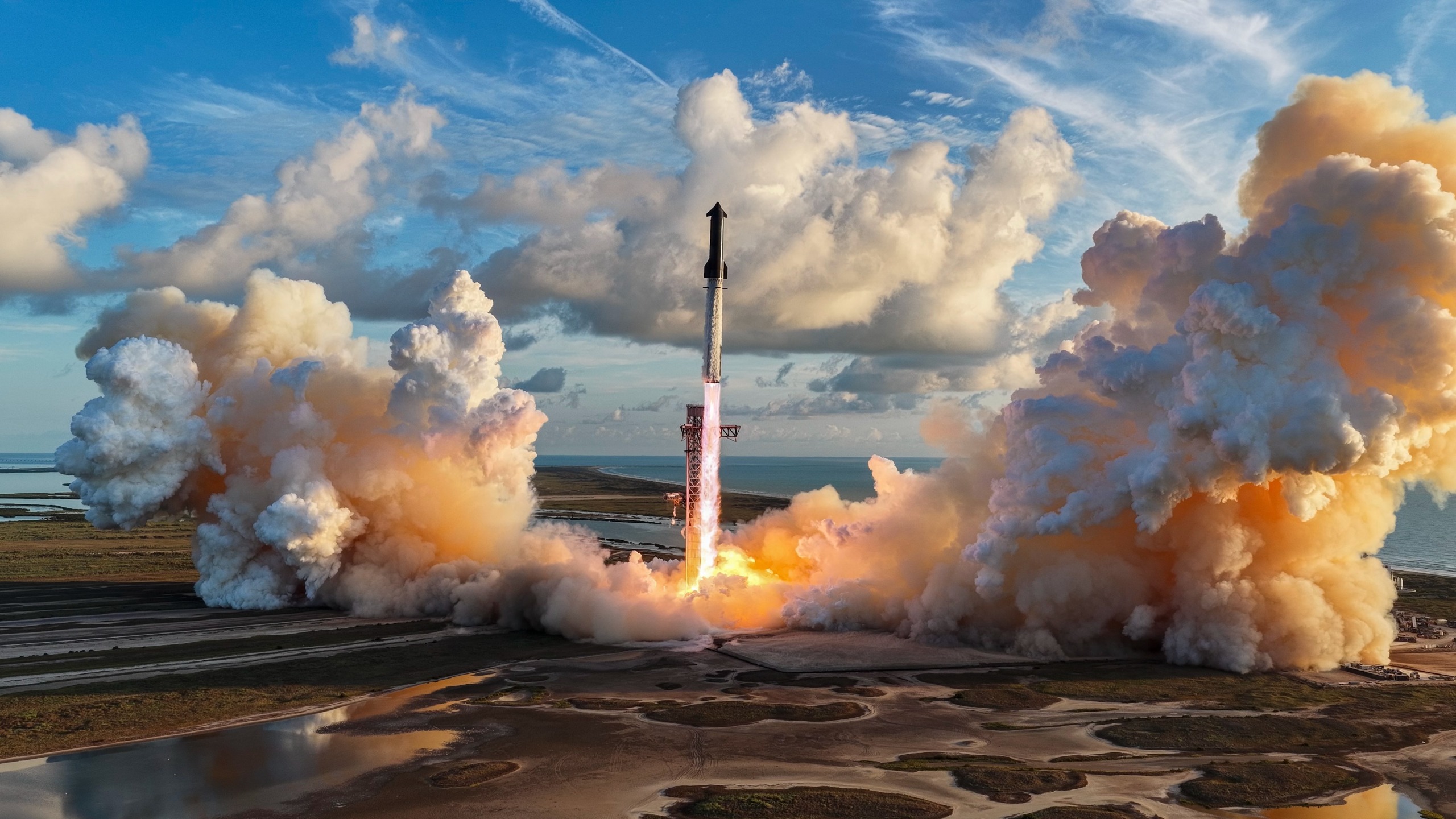
The successful launch carries profound implications for global capital markets, defense logistics, and the commercial satellite industry. As governments and private enterprises race to secure orbital real estate, Starship’s massive payload capacity—capable of carrying up to 150 metric tons fully reusable, or 250 metric tons expendable—promises to rewrite the supply-chain economics of the cosmos.
| Metric / Specification | Starship Details | Market Implication |
|---|---|---|
| Rocket Height | ~400 feet (121 meters) | Largest and most powerful launch vehicle in human history. |
| Payload Capacity | 150–250 metric tons | Enables deployment of next-gen mega-constellations and heavy hardware in a single launch. |
| Propulsion | Raptor engines (Super Heavy booster + Starship) | Utilizes methalox propellant, paving the way for in-situ resource utilization on Mars. |
| Primary Objective | Full and rapid reusability | Drastically reduces cost-per-pound to orbit, disrupting legacy aerospace competitors. |
Wall Street aerospace analysts note that the successful orbital test significantly de-risks SpaceX’s long-term liabilities, including its multi-billion-dollar contract with NASA to land American astronauts on the lunar surface via the Human Landing System (HLS) Artemis program. Furthermore, the deployment cadence of Starlink’s next-generation broadband satellites is expected to accelerate dramatically, threatening terrestrial fiber networks and challenging competing satellite constellations.
The Road Ahead: Mars, the Moon, and Beyond
Despite the celebratory mood at SpaceX’s Boca Chica command center, engineers and executives emphasize that the developmental roadmap remains intense. Reusability is the ultimate goal; proving that Starship can return from orbit, re-enter the atmosphere intact, and execute a precision propulsive landing remains the final frontier of the current test campaign.
As regulatory bodies review telemetry data from Flight 14, SpaceX is already scaling manufacturing lines to build subsequent flight hardware. The company’s long-term vision—establishing a permanent, self-sustaining human settlement on Mars—is no longer confined to theoretical whitepapers. With Starship now successfully operating in orbit, humanity’s commercial and exploratory footprint in the solar system has officially entered a new era.
Frequently Asked Questions
What makes Starship different from traditional rockets?
Starship is designed from the ground up for 100% full and rapid reusability. Both the Super Heavy booster and the Starship spacecraft are built to return to Earth and fly again shortly after landing, drastically driving down the cost of access to space.
Why is achieving orbit on Flight 14 so significant?
Reaching orbit proves that the vehicle's propulsion, structural design, and guidance systems can handle the extreme velocity and altitude required for interplanetary travel and heavy-lift satellite deployment. It transitions Starship from a theoretical concept to a proven orbital asset.