The $100 Billion Lunar Bet: NASA and SpaceX Clear Critical Aero Milestone for Starship’s Historic Return to the Moon
WASHINGTON, D.C. — In a quiet but critical step forward for the global space economy, NASA and SpaceX have successfully advanced a series of high-stakes wind tunnel tests on the Starship Super Heavy rocket. The joint testing campaign, conducted at NASA’s Ames Research Center in California’s Silicon Valley, represents a pivotal milestone in validating the flight aerodynamics of the largest, most powerful launch vehicle ever built. As the United States races to return humans to the lunar surface under the Artemis program, these tests provide the hard physics data required to transition Starship from an experimental prototype into a certified human landing system (HLS).
The stakes could not be higher. With China accelerating its own timeline to land astronauts on the Moon by 2030, the NASA-SpaceX partnership is under intense pressure to deliver. The completion of these aerodynamic tests signals that despite public regulatory skirmishes and dramatic flight-test explosions, the underlying engineering integration between the federal space agency and Elon Musk’s private aerospace giant is executing at a highly sophisticated level.
Simulating the Extreme: Inside the Ames Wind Tunnel Tests
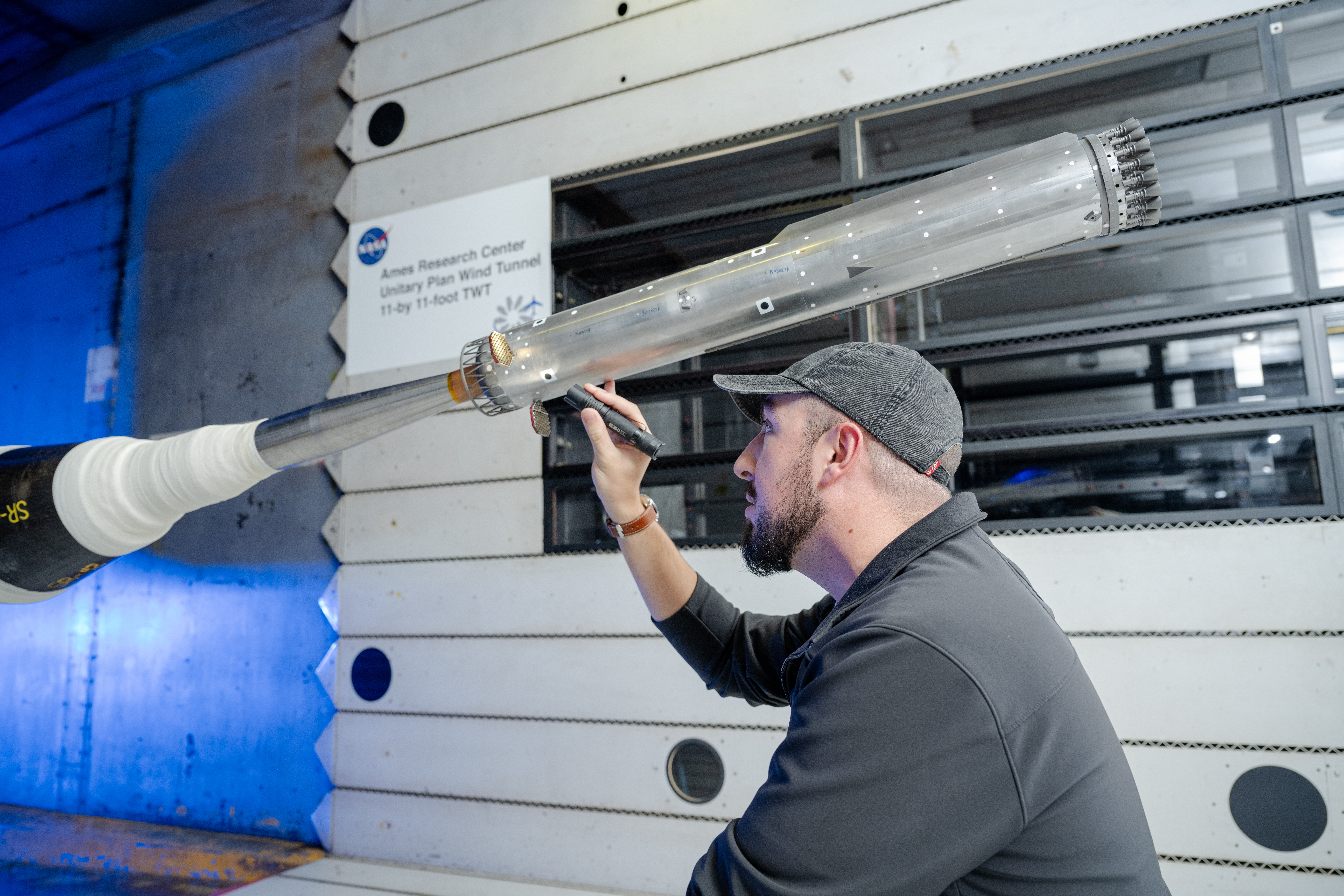
The aerodynamic profile of the 397-foot-tall Starship and its Super Heavy booster is one of the most complex engineering challenges in aerospace history. To validate how the massive vehicle behaves at transonic, supersonic, and hypersonic speeds, engineers utilized the state-of-the-art Unitary Plan Wind Tunnel at NASA Ames.
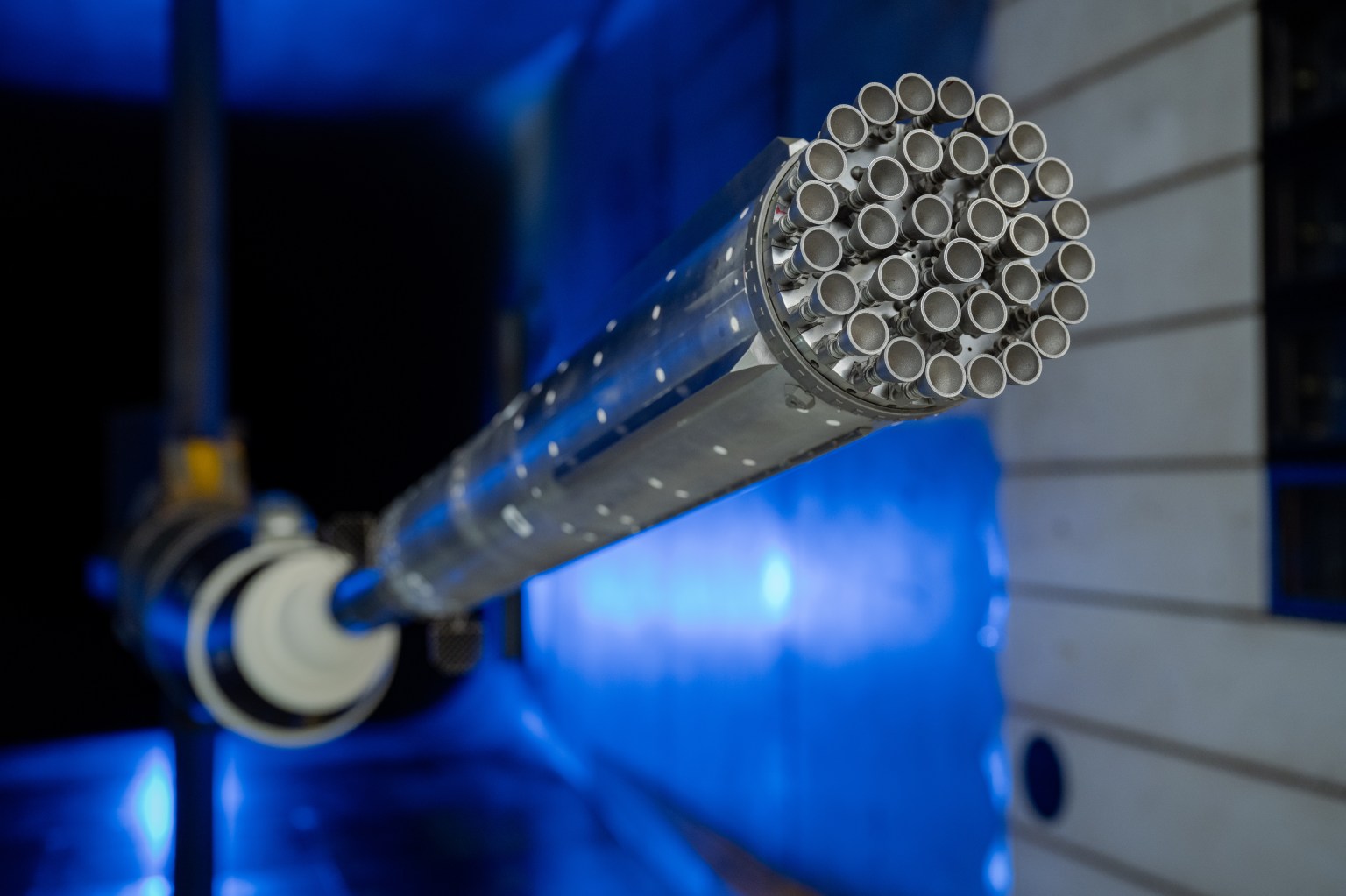
Using high-fidelity scale models, NASA and SpaceX engineers simulated the extreme atmospheric pressures and forces that the vehicle experiences during launch, ascent, and its unprecedented "belly-flop" atmospheric re-entry. These tests focused heavily on the aerodynamic interactions between the Starship spacecraft and the Super Heavy booster during stage separation—a sequence that has historically been a point of failure in early orbital test flights.
"We are using NASA's world-class testing facilities to ensure Starship’s design is aerodynamically sound," a senior NASA systems engineer close to the program whispered on the condition of anonymity. "The wind tunnel data allows us to refine our computational fluid dynamics (CFD) models, reducing the margin of error to near zero before we put astronauts on board."
Key Takeaways for the Global Space Economy
- De-risking the Flight Profile: The completed wind tunnel tests directly address the aerodynamic loads experienced during high-velocity maneuvers, dramatically reducing the risk of structural failure during future test flights.
- Capital Efficiency: By utilizing NASA’s existing wind tunnel infrastructure, SpaceX avoids building redundant, billion-dollar test facilities, showcasing the capital efficiency of public-private partnerships.
- Sustaining the 2026 Timeline: Validating these aerodynamic models keeps SpaceX on track for the ambitious Artemis III launch window, currently slated for late 2026.
The High Stakes of the Artemis Timeline
NASA has committed over $4 billion in contracts to SpaceX to develop the Starship HLS for the Artemis III and IV missions. Unlike the Apollo missions, which used a single-use spacecraft, the Artemis architecture relies on a complex chain of orbital refueling. A single lunar landing will require launching multiple Starship "tanker" variants to fuel a depot in low Earth orbit (LEO) before the actual lander can transit to the Moon.
Because this architecture demands an unprecedented cadence of launches, validating the aerodynamic durability of the reusable Super Heavy booster is essential. Every second of flight data captured in the wind tunnels translates to less wear-and-tear on the reusable stainless-steel structure, driving down the marginal cost per launch—a metric that Wall Street analysts watch closely as SpaceX prepares to monopolize the heavy-lift commercial launch market.
| Metric / Vehicle | SpaceX Starship & Booster | NASA Space Launch System (SLS) | Apollo Saturn V |
|---|---|---|---|
| Height | 397 feet (121 meters) | 322 feet (98 meters) | 363 feet (110 meters) |
| Thrust (at Launch) | 16.7 million lbs (Super Heavy) | 8.8 million lbs | 7.5 million lbs |
| Payload to LEO | 100–150 tons (Fully Reusable) | 95 tons (Expendable) | 140 tons (Expendable) |
| Primary Flight Control | Grid Fins & Hot-Gas Thrusters | Gimbaled Engines & Solid Boosters | Gimbaled F-1 Engines |
Commercial Space Domination and Geopolitical Urgency
From an economic standpoint, the steady progress of Starship is widening the moat between SpaceX and its commercial competitors, such as Jeff Bezos’ Blue Origin and the European Space Agency’s Ariane Group. While competitors struggle to scale their medium-to-heavy lift expendable rockets, SpaceX is systematically refining a fully reusable super-heavy lift platform that could reduce the cost of putting mass into orbit by an order of magnitude.
For Washington policymakers, the NASA-SpaceX wind tunnel collaboration is a national security imperative. The race for the south pole of the Moon is not merely scientific; it is a battle over strategic high ground, resource rights (including water ice), and geopolitical prestige. By leveraging SpaceX's rapid iteration cycles and combining them with NASA's rigorous validation protocols, the U.S. government hopes to secure a permanent, sustainable presence on the Moon before its rivals.
As next year's scheduled Artemis test flights approach, the data gathered inside NASA's wind tunnels will be written into the guidance software of the world’s largest rocket, turning theoretical physics into the fuel for humanity's next giant leap.
Frequently Asked Questions
Why are wind tunnel tests necessary if SpaceX is already launching Starship prototypes?
While live flight tests provide invaluable real-world data, they are incredibly expensive and carry high risks. Wind tunnel tests allow engineers to isolate specific aerodynamic variables under highly controlled conditions. This precise data is used to calibrate the rocket's flight computer guidance algorithms and structural limits, ensuring the vehicle can safely handle unexpected atmospheric turbulence or extreme speed transitions without risking a catastrophic loss of the vehicle.
What role does Starship play in NASA’s Artemis III mission?
Starship HLS (Human Landing System) is the designated lander that will ferry astronauts from NASA's Orion spacecraft in lunar orbit down to the surface of the Moon, and back up again. Without a fully functional, aerodynamically validated Starship, NASA cannot execute the crewed lunar landing portion of the Artemis III mission, making SpaceX’s technical progress a critical bottleneck for the entire national program.