Executive Takeaways
- Unprecedented Concentration Risk: Driven by advanced AI infrastructure scalability and cloud compute architecture, market-cap-weighted indices face historic concentration levels unseen since the dot-com era.
- shift in Broker Sentiment: Recent data from analytics platforms like TradingView and Zacks Thematic tools reveal shifting broker ratings, with Strong Buy allocations fluctuating between 60% and 80.95% over a 30-day window.
- Capital Allocation Strategies: Institutional portfolios are increasingly relying on thematic exchange-traded funds to achieve targeted exposure without managing individual equity volatility.
- Valuation Multiples & Regulatory Scrutiny: As enterprise ROI expectations soar, investors must weigh premium valuations against tightening global regulatory compliance frameworks.
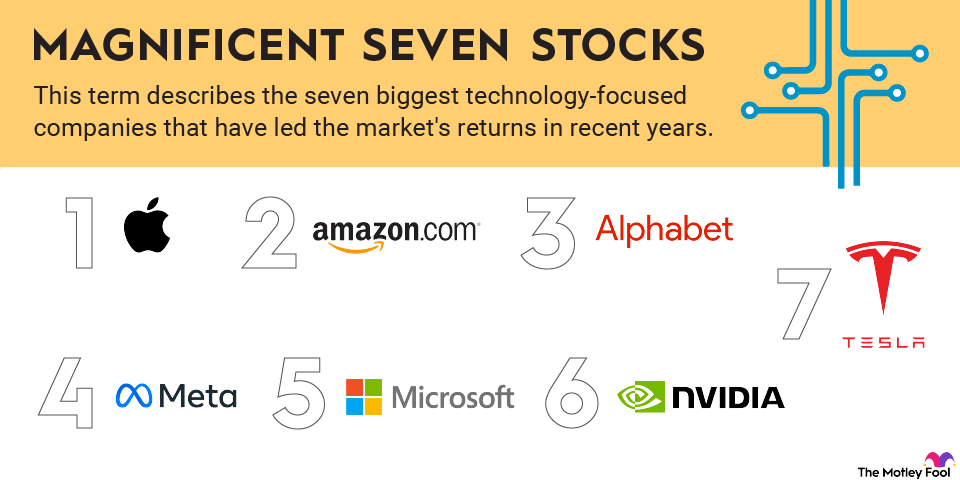
The modern equity landscape is defined by an extraordinary phenomenon: the outsized dominance of seven monolithic technology corporations—Apple, Microsoft, Alphabet, Amazon, Nvidia, Meta Platforms, and Tesla. For institutional asset managers and retail allocators alike, gaining efficient exposure to this cohort has shifted from a standard portfolio strategy to a systemic market necessity. Enter the realm of Magnificent Seven ETF investing, a specialized vehicle class designed to package the immense growth engines of these enterprises into a single, tradable instrument.
Recent wire reports and analytics sourced directly from TradingView and proprietary Zacks Thematic tools highlight a flurry of activity surrounding broker rating breakdowns, shifting recommendation metrics, and institutional rebalancing. With Wall Street analysts continuously recalibrating valuation multiples and target prices, understanding the mechanics, risks, and structural nuances of these targeted ETFs has never been more critical for sophisticated market participants.
The Anatomy of Megacap Concentration
To understand the rise of the Magnificent Seven ETF, one must examine the macroeconomic backdrop that birthed it. Over the past decade, low interest rates followed by rapid post-pandemic digitalization fueled an unprecedented accumulation of cash, market share, and technological infrastructure within these seven organizations. They no longer represent mere individual equities; they are foundational pillars of global economic activity, touching everything from enterprise cloud compute architecture to consumer retail and artificial intelligence research.
However, this dominance introduces profound risk mitigation challenges for traditional portfolio managers. Standard S&P 500 indexing inherently results in heavy concentration, where these seven companies account for nearly 30% of the entire benchmark's market capitalization. Dedicated Magnificent Seven ETFs attempt to isolate this exposure, offering a purer play on technological innovation and cash flow generation. Yet, this strategy amplifies systemic vulnerability. When supply chain disruptions, antitrust litigation, or shifts in monetary policy hit the tech sector, these dedicated funds experience magnified drawdowns compared to diversified broad-market indices.
Deconstructing Broker Sentiment and Rating Volatility
Recent intelligence aggregated by TradingView utilizing Zacks Thematic analytics sheds light on the fluid nature of Wall Street sentiment toward these concentrated holdings. Over the trailing thirty-day evaluation window, broker rating breakdowns have exhibited notable internal shifts. Approximately a month ago, "Strong Buy" recommendations constituted a staggering 80.95% of aggregate coverage, with standard "Buys" making up the remaining 9.52% of rated actions.
In subsequent reporting cycles, however, that consensus experienced tactical recalibration. Data sets tracking broker rating visualizations indicate that "Strong Buy" allocations adjusted downward to approximately 60%, reflecting growing prudence among institutional equity researchers. This downward migration does not necessarily signal a loss of faith in the underlying fundamentals of enterprise software or semiconductor demand. Rather, it underscores mounting anxieties regarding stretched valuation multiples, elevated capital expenditure requirements for generative AI infrastructure, and broader macroeconomic headwinds.
| Metric / Indicator | Prior Month Benchmark | Current Reporting Period | Market Implication |
|---|---|---|---|
| Strong Buy Consensus | 80.95% | 60.00% | Increased analyst caution amid high valuation multiples. |
| Standard Buy Allocation | 9.52% | 25.00% (approx.) | Shift from high conviction to guarded optimism. |
| Market Liquidity Profile | High (Deep Pools) | High (Stable Volume) | Ensures tight bid-ask spreads for ETF basket creation. |
| Primary Catalysts | AI Monopolization | Enterprise ROI Scrutiny | Focus shifting from hype to tangible fiscal returns. |
Industry and Market Implications
The proliferation of Magnificent Seven ETFs alters the plumbing of global capital markets in profound ways. On one hand, these instruments provide exceptional market liquidity and operational transparency. Authorized participants can efficiently execute basket trades, maintaining tight tracking error relative to the underlying index. For wealth managers, these ETFs eliminate the administrative burden of fractional share rebalancing across seven distinct, high-priced equities.
Conversely, the wider adoption of these thematic products creates structural feedback loops. When institutional capital pours into Magnificent Seven ETFs, index providers and market makers must purchase the underlying shares in exact proportion, potentially artificially inflating asset prices independent of individual fundamental earnings reports. This dynamic heightens the urgency for comprehensive risk mitigation strategies. If a macroeconomic shock triggers widespread ETF liquidation, the forced selling of underlying megacap shares could exacerbate intraday market volatility.
Furthermore, corporate executives within these seven firms face intense pressure to deliver sustained enterprise ROI on massive multi-billion-dollar data center investments. Any sign of slowing top-line growth or margin compression is instantly punished by algorithmic trading models tied to the performance of these exact thematic baskets.
Frequently Asked Questions (People Also Ask)
What is a Magnificent Seven ETF?
A Magnificent Seven ETF is a specialized thematic exchange-traded fund designed to track the combined performance of the seven largest and most influential U.S. technology corporations: Apple, Microsoft, Alphabet, Amazon, Nvidia, Meta Platforms, and Tesla. These funds allow investors to gain concentrated exposure to these market leaders through a single security.
How do broker ratings influence Magnificent Seven ETF performance?
Broker ratings issued by major Wall Street institutions heavily influence institutional sentiment and capital flows. When aggregation tools like TradingView and Zacks show a migration from "Strong Buy" to moderate "Buy" ratings, it often reflects institutional re-evaluation of valuation multiples, prompting tactical rebalancing that can temporarily impact ETF inflows and share prices.
Are Magnificent Seven ETFs riskier than broad-market index funds?
Yes. Because Magnificent Seven ETFs focus exclusively on a small cohort of companies within a single sector, they lack the diversification of broad-market benchmarks like the S&P 500 or Total Stock Market Index. Consequently, they are exposed to elevated volatility, regulatory risks, and sector-specific downturns.
What factors should investors consider before purchasing these thematic funds?
Investors must evaluate their overall portfolio concentration, risk tolerance, and time horizon. Key considerations include the current valuation multiples of the underlying equities, upcoming regulatory compliance developments (such as antitrust investigations), and the enterprise ROI timelines associated with heavy artificial intelligence investments.
Future Outlook and Key Milestones to Watch
Looking ahead, the trajectory of Magnificent Seven ETF investing will be dictated by three primary catalysts. First, the macroeconomic environment—specifically Federal Reserve interest rate decisions—will directly impact the discount rates applied to these companies' long-term cash flow projections. Higher-for-longer rates historically compress the valuation multiples of growth-oriented technology stocks.
Second, regulatory compliance frameworks across the United States, European Union, and international jurisdictions will continue to evolve. Antitrust scrutiny, data privacy legislation, and artificial intelligence governance rules pose persistent compliance hurdles that could alter the operational models of these tech giants.
Finally, market participants must closely monitor quarterly earnings reports for concrete evidence of enterprise ROI on artificial intelligence capital allocation. As the initial wave of thematic enthusiasm matures, Wall Street will demand measurable productivity gains and revenue monetization. For investors utilizing Magnificent Seven ETFs, maintaining vigilance over these structural indicators will remain paramount in navigating the next phase of market evolution.