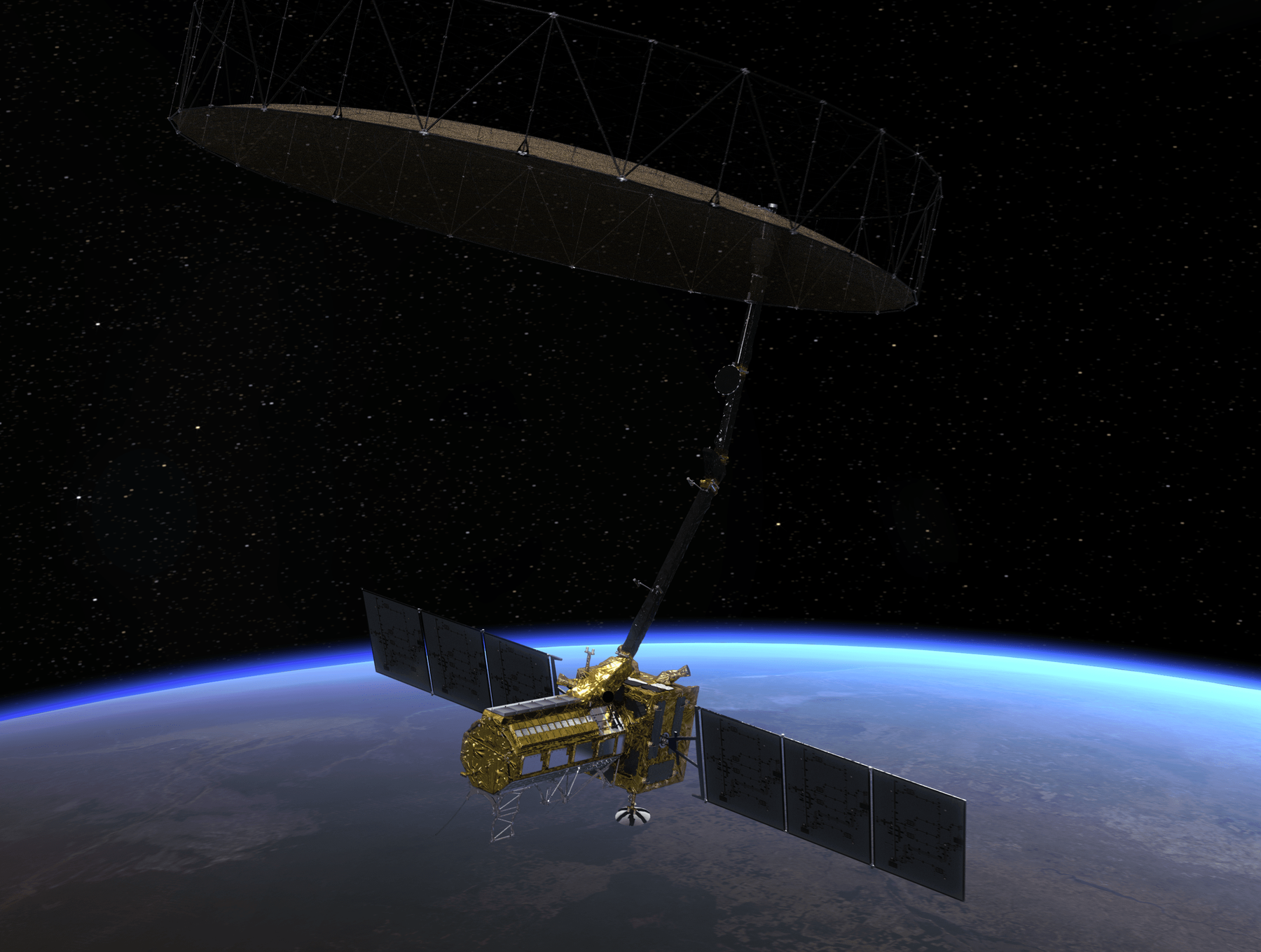
In a historic high-stakes launch that bridges cutting-edge commercial aerospace engineering with deep-space exploration, NASA has officially greenlit and initiated the deployment phase of the Nancy Grace Roman Space Telescope. Propelled into the heavens aboard a SpaceX Falcon Heavy rocket, the $4.3 billion observatory represents the most ambitious cosmological endeavor of this decade. Its objective is clear yet profoundly disruptive: to map the dark universe, locate thousands of new exoplanets, and solve cosmic anomalies that have baffled physicists for generations.
For global markets and the aerospace sector, the launch is more than a scientific milestone; it is a powerful demonstration of the maturing public-private paradigm in space exploration. By leveraging SpaceX’s heavy-lift capabilities, NASA has bypassed traditional legacy bottlenecks, signaling a more agile, cost-effective era of deep-space deployment.
Executive Summary: The Roman Space Telescope at a Glance
- The Core Mission: To investigate dark energy, dark matter, and search for habitable exoplanets using an unprecedented wide-field infrared view.
- Financial Footprint: A total lifecycle cost estimated at $4.3 billion, representing one of NASA's largest astrophysics investments since the James Webb Space Telescope (JWST).
- The SpaceX Alliance: Launched via the Falcon Heavy, highlighting NASA's deep reliance on commercial launch systems to execute flagship science missions.
- The Technological Edge: A field of view 100 times greater than the Hubble Space Telescope, allowing it to capture massive swaths of the sky in a single image with comparable clarity.
The Scientific Paradigm Shift: Why the Roman Telescope Matters

While the James Webb Space Telescope (JWST) acts as a cosmic magnifying glass—zooming deep into highly specific, narrow segments of the universe—the Nancy Grace Roman Space Telescope acts as a cosmic wide-angle lens. This unique capability addresses a critical limitation in current astronomical research: the lack of large-scale, high-resolution survey data.
"To understand the macro-structure of the universe, we need big data," says Dr. Mark Clampin, Director of the Astrophysics Division at NASA Headquarters. "We cannot solve the riddle of dark energy by looking through a keyhole. We need to survey billions of galaxies. That is what Roman is engineered to do."
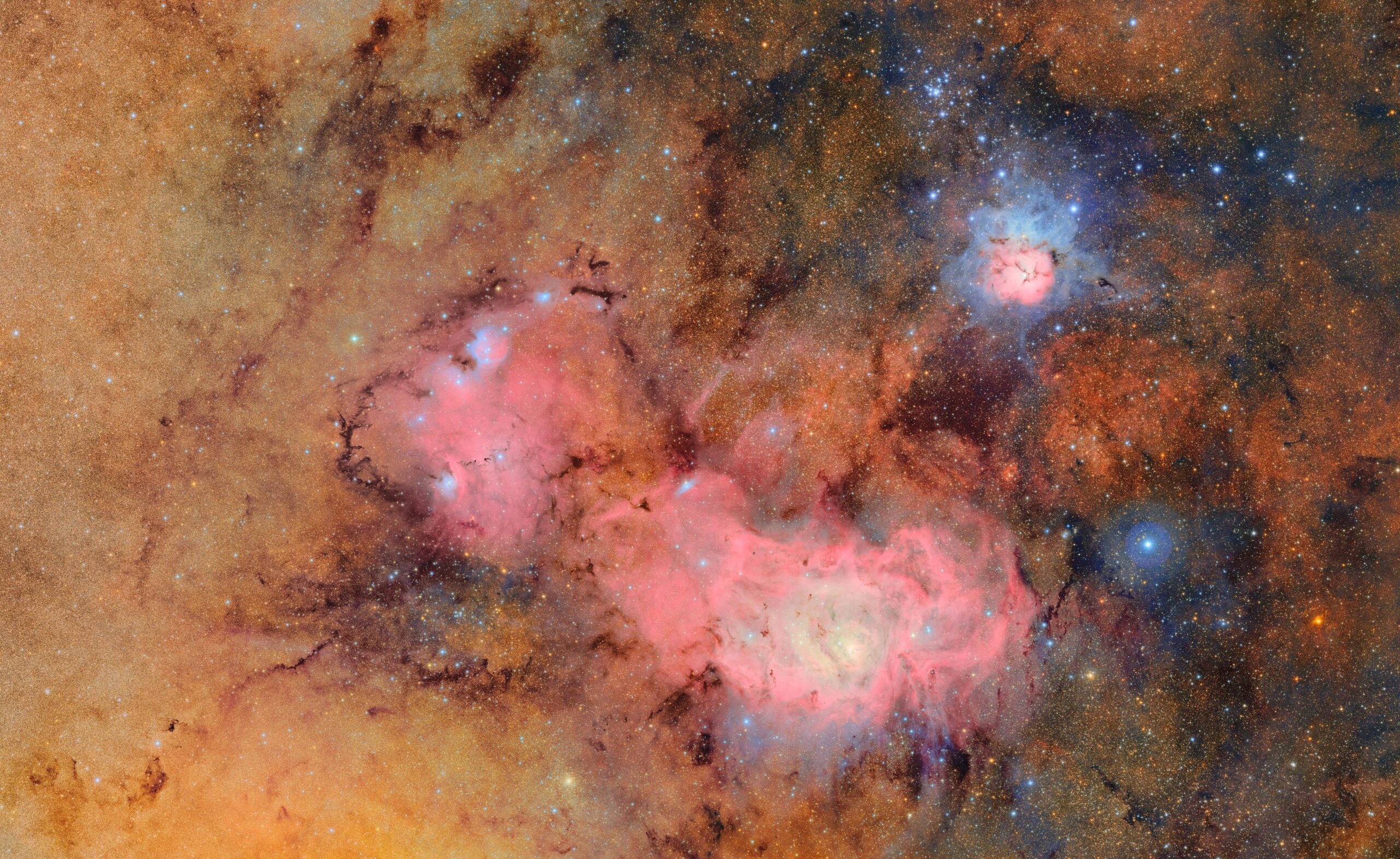
By scanning the sky at speeds a thousand times faster than Hubble, Roman will map the distribution of dark matter—the invisible scaffolding of our universe—and measure the accelerating expansion driven by dark energy. Scientists estimate that the mission will discover over 2,600 new exoplanets, utilizing a state-of-the-art Coronagraph Instrument to directly image worlds orbiting distant stars, a crucial step in finding biosignatures of life.
Comparing the Titans of Space Exploration
To understand the strategic positioning of the Roman Space Telescope, it is essential to compare its capabilities with its famous predecessors, Hubble and Webb:
| Feature / Specification | Nancy Grace Roman | James Webb (JWST) | Hubble Space Telescope |
|---|---|---|---|
| Estimated Cost | $4.3 Billion | $10 Billion | $1.5 Billion (at launch, 1990) |
| Primary Mirror Diameter | 2.4 meters (7.9 feet) | 6.5 meters (21.3 feet) | 2.4 meters (7.9 feet) |
| Field of View | 100x Hubble's view | Narrow, high-depth focus | Standard deep-space focus |
| Primary Target | Dark energy, exoplanet surveys | First light, early universe | General astrophysics, optical imaging |
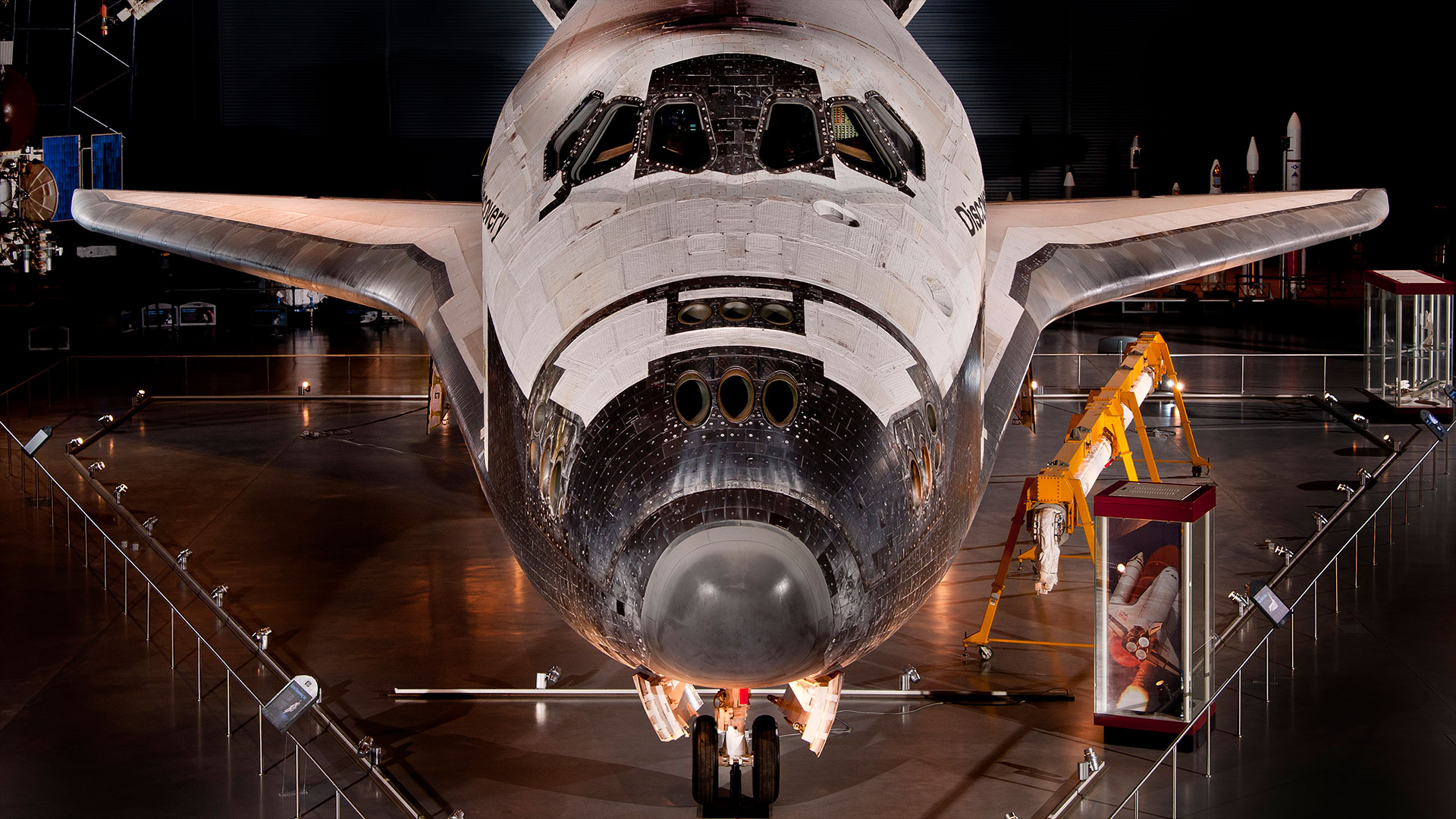
| Launch Vehicle | SpaceX Falcon Heavy | Ariane 5 | Space Shuttle Discovery |
Commercial Underpinnings: The SpaceX Factor
From an economic perspective, the integration of SpaceX’s Falcon Heavy rocket into NASA's flagship launch portfolio underscores a massive structural shift in aerospace supply chains. Historically, missions of this magnitude were the exclusive domain of state-sponsored launch vehicles or highly conservative legacy joint ventures.
SpaceX's ability to reliably fly heavy payloads at a fraction of legacy costs has fundamentally altered NASA's risk-reward calculations. The Falcon Heavy’s reuse architecture and proven flight record provide NASA with a robust buffer against launch-window slippage, which can cost taxpayers millions of dollars per month in storage and upkeep fees. This successful launch further cements SpaceX's dominance in the global launch market, leaving competitors scrambling to match its payload-to-cost ratios.
Strategic Geopolitical Implications
The successful deployment of the Roman Telescope also serves as a soft-power victory for the United States. In an era where space has re-emerged as a competitive arena—with China rapidly expanding its Tiangong space station program and planning its own deep-space surveys—the Roman mission keeps the U.S. firmly at the vanguard of fundamental science. The data gathered by Roman will be shared globally, reinforcing America's position as the primary engine of international scientific collaboration.
What Lies Ahead: The Journey to L2
The Falcon Heavy has propelled the Roman Telescope toward its gravitational parking spot: the Second Lagrange Point (L2), located approximately 1 million miles (1.5 million kilometers) directly behind the Earth from the perspective of the Sun. Over the coming months, mission control will conduct rigorous calibration tests on its primary mirror and instruments. Once fully operational, the scientific community expects a torrent of data that could fundamentally rewrite our understanding of cosmological expansion and planetary formation.
Frequently Asked Questions
Why is the telescope named after Nancy Grace Roman?
The telescope is named in honor of Dr. Nancy Grace Roman, NASA’s first Chief of Astronomy and the woman widely recognized as the "Mother of Hubble." Her tireless advocacy in the late 20th century laid the organizational and political groundwork for space-based telescopes, forever changing how humanity observes the cosmos.
How will the Roman Telescope identify habitable exoplanets?
Roman utilizes two primary methods: gravitational microlensing (monitoring how a star’s gravity bends light from a background star, revealing orbiting planets) and a high-contrast coronagraph. The coronagraph blocks the overwhelming glare of host stars, allowing scientists to directly image and analyze the atmospheric chemistry of giant companion planets.