Executive Takeaways
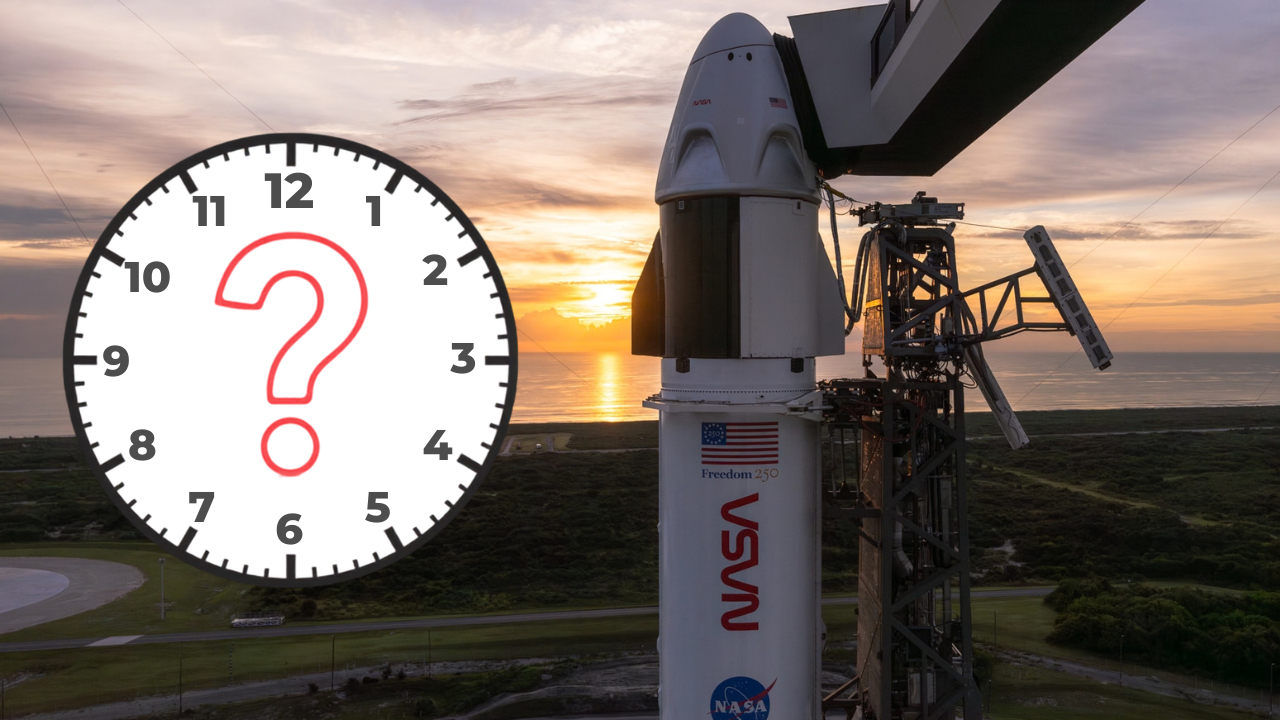
- Mission Timeline Shift: SpaceX has officially pushed its upcoming orbital-class rocket launch to Tuesday, optimizing for ideal atmospheric conditions and rigorous pre-flight technical verification.
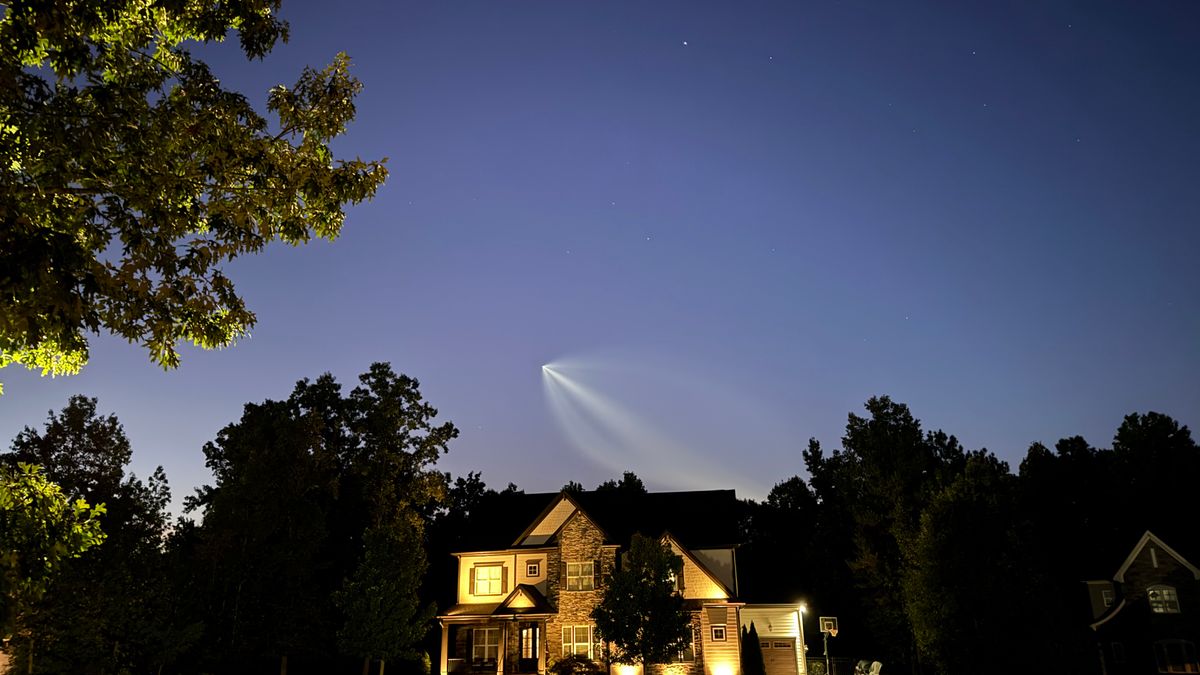
- Visual Spectacle: The trajectory and pre-dawn or dusk launch windows create high probabilities for the iconic "space jellyfish" exhaust plume phenomenon, clearly visible across North and South Carolina skies.
- Economic & Capital Impact: Beyond the celestial optics, high-cadence launch schedules highlight the robust infrastructure scalability and valuation multiples driving the commercial space economy, impacting aerospace supply chains and institutional capital allocation.
- Regulatory & Safety Protocols: Federal Aviation Administration (FAA) airspace closures and coastal maritime risk mitigation protocols remain strictly enforced for the updated launch window.
As the commercial space sector accelerates its operational tempo, Elon Musk’s SpaceX is once again capturing public attention and meteorological fascination. The aerospace titan has officially rescheduled its upcoming orbital launch window to Tuesday. While mission controllers fine-tune telemetry data and ensure exhaustive regulatory compliance, defense analysts and amateur astronomers alike are bracing for a breathtaking byproduct of the ascent: the elusive and visually arresting "space jellyfish" atmospheric phenomenon.
For residents across the Carolinas, Tuesday's rescheduled window offers a front-row seat to one of aerospace engineering's most striking optical illusions. However, beyond the viral social media potential and local excitement, this launch underscores a much larger narrative. It serves as a live stress test of enterprise-grade launch infrastructure, highlighting the rapid capital allocation, risk mitigation strategies, and supply chain interdependencies defining the modern multi-trillion-dollar space economy.
The Physics Behind the Carolina 'Space Jellyfish'
The ethereal, glowing plume colloquially known as a "space jellyfish" is not a meteorological anomaly, but rather a direct consequence of rocket exhaust interacting with sunlight in the upper atmosphere. When a multi-stage rocket launches during specific twilight windows—typically roughly 30 to 60 minutes before sunrise or after sunset—the vehicle ascends rapidly from darkness into direct sunlight.
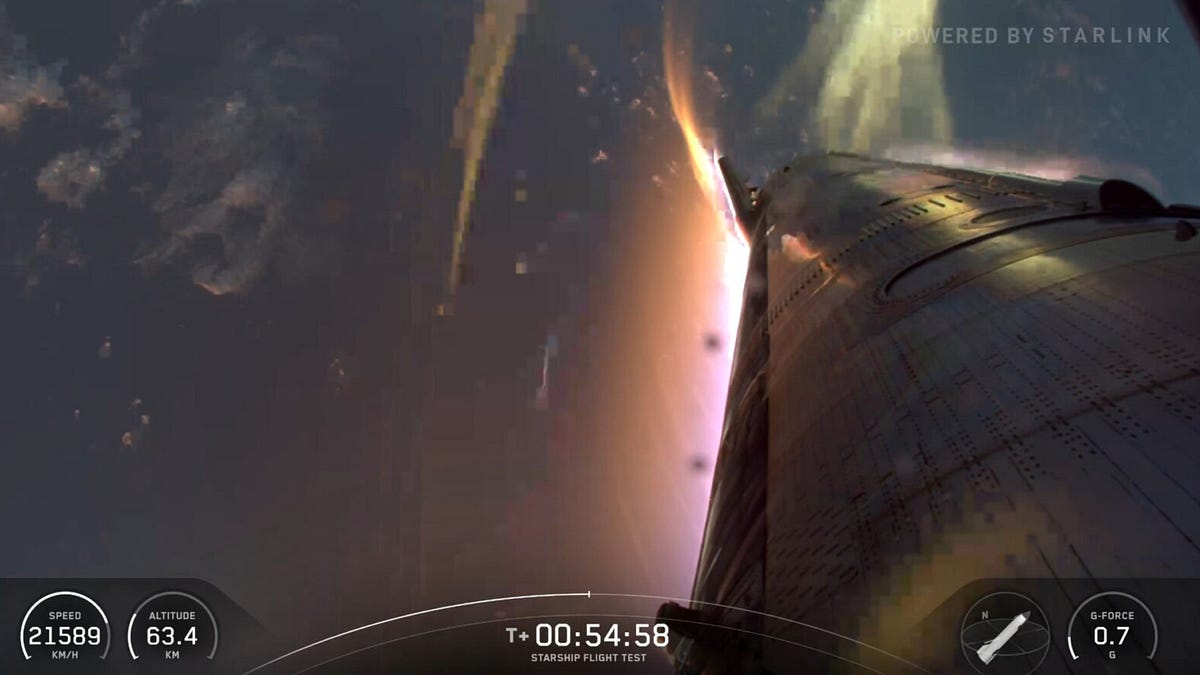
As the rocket punches through the stratosphere and into the mesosphere and thermosphere, its exhaust gases expand rapidly in the near-vacuum of space. At altitudes exceeding 50 miles, ambient atmospheric pressure drops precipitously, causing the exhaust plumes from the first-stage boostback and second-stage vacuum-optimized Merlin engines to balloon outward. When sunlight illuminates these high-altitude exhaust particles—primarily water vapor and carbon dioxide—against a dark terrestrial backdrop, it creates an iridescent, pulsing, umbrella-like luminescence that resembles a glowing marine organism drifting across the dark ether.
Observers across North Carolina and South Carolina—particularly along the coastal corridors and Piedmont regions—will be ideally positioned to witness this luminous expansion. Because the trajectory requires clear atmospheric visibility and precise orbital insertion angles, Tuesday's rescheduled launch window provides optimal alignment for ground observers hoping to capture the spectacle.
Operational Cadence, Infrastructure Scalability, and Risk Mitigation

While the visual display captivates the public, institutional investors, aerospace executives, and defense analysts view high-cadence launch schedules through the lens of operational efficiency and infrastructure scalability. SpaceX’s ability to pivot, scrub, and reschedule missions with minimal turnaround time demonstrates a maturity in cloud compute architecture, telemetry monitoring, and automated ground-system checks that legacy aerospace contractors are spending billions to emulate.
Maintaining high launch frequency requires meticulous risk mitigation and regulatory compliance. Every schedule shift involves complex negotiations and coordination with the Federal Aviation Administration (FAA), the United States Coast Guard, and local municipal authorities to secure maritime hazard areas and airspace closures. For enterprise stakeholders, these operational pivots test the resilience of downstream supply chains and component manufacturing pipelines.
Furthermore, venture capital and private equity firms tracking the aerospace sector utilize these high-visibility missions to evaluate market liquidity and valuation multiples. As commercial payload demand surges—driven by mega-constellation deployments, national security payloads, and deep-space scientific instrumentation—the ability to execute flawless launches on rescheduled timelines directly correlates to top-tier enterprise ROI and long-term market dominance.
Mission Parameters and Telemetry Overview
| Metric / Parameter | Pre-Schedule Baseline | Updated Tuesday Status | Strategic Implication |
|---|---|---|---|
| Launch Window Date | Original Target (Weekend) | Tuesday (Confirmed) | Optimized for upper-level wind shear and telemetry checks. |
| Primary Viewing Zone | Eastern Seaboard | North & South Carolina Skies | High probability of visual "space jellyfish" atmospheric optics. |
| Regulatory Oversight | FAA Part 450 Licensing | Re-verified Airspace Clearances | Strict adherence to public safety and maritime hazard protocols. |
| Market & Capital Impact | Standard Cadence | Valuation & ROI Validation | Reinforces investor confidence in launch reliability and scalability. |
Frequently Asked Questions (People Also Ask)
Why was the SpaceX launch rescheduled to Tuesday?
Launch rescheduling is a standard procedure in commercial aerospace operations. Missions are routinely pushed due to unseasonable upper-level wind shear, minor telemetry anomalies detected during pre-flight automated checks, or unfavorable maritime weather conditions in downrange recovery zones. Safety and orbital mechanics take absolute precedence over rigid calendar adherence.
Where is the best place in the Carolinas to see the 'space jellyfish'?
Observers along the coastlines of North and South Carolina, as well as elevated inland areas with unobstructed eastern horizons, will have the optimal vantage point. Because the phenomenon relies on twilight lighting conditions, viewers should look toward the eastern or southeastern sky approximately 30 to 45 minutes after launch, depending on the exact liftoff time.
Are rocket exhaust plumes and 'space jellyfish' hazardous to public health?
No. The visual display occurs in the mesosphere and thermosphere, tens of miles above the surface of the Earth. The exhaust byproducts—primarily water vapor and carbon dioxide, alongside trace combustion particles—dissipate harmlessly in the upper atmosphere long before reaching ground level, posing zero chemical or radiological risk to the public.
How does high launch frequency impact the broader commercial space market?
Increased launch frequency directly lowers the cost per kilogram to orbit, unlocking new capital allocation opportunities for satellite operators, telecommunications firms, and scientific researchers. It drives enterprise ROI, enhances market liquidity, and solidifies supply chain dominance for tier-1 launch providers.
Future Outlook & What to Watch Next
As Tuesday's rescheduled launch window approaches, all eyes will be on SpaceX's ground control teams and meteorological monitors. Success will further cement the company's operational monopoly on heavy-lift and medium-lift commercial cadences, providing institutional investors with renewed metrics of reliability.
Key milestones to watch in the coming quarters include the continued scaling of next-generation orbital vehicles, regulatory evolution regarding commercial spaceport licensing, and the macroeconomic valuation adjustments of private aerospace suppliers. For the millions of onlookers across the Carolinas, however, Tuesday morning or evening will offer a brief, awe-inspiring reminder of humanity's expanding reach into the cosmos—transforming raw industrial rocket propulsion into a fleeting, luminous masterpiece across our shared skies.