Executive Takeaways
- Unprecedented Cash Flow Generation: Global oil majors report surging quarterly revenues, driven by persistent supply bottlenecks, geopolitical premiums, and resilient downstream margins.
- Capital Allocation Shift: Unlike previous commodity supercycles, executives are prioritizing balance sheet de-risking, aggressive share buybacks, and dividend distributions over aggressive greenfield exploration.
- Macroeconomic Pressures: The windfall is intensifying political scrutiny worldwide, triggering renewed legislative debates over windfall taxes, energy security, and inflationary pressures on industrial consumers.
- Technological & Operational Optimization: Upstream efficiency has increased dramatically through automated infrastructure scalability, cloud compute analytics for reservoir management, and rigorous cost control.
Global energy markets are once again witnessing an extraordinary divergence between macroeconomic uncertainty and corporate profitability. As central banks grapple with stubborn inflation and consumer discretionary spending shows signs of fatigue, the world's premier oil and gas enterprises have posted another wave of blockbuster earnings. This phenomenon—fueled by a complex matrix of structural underinvestment, geopolitical friction, and refined product demand—has reignited intense global debate regarding capital allocation, energy transition strategies, and fiscal policy.
For institutional investors, wealth managers, and corporate treasurers, these earnings reports are more than quarterly accounting milestones; they represent a masterclass in risk mitigation and cash generation. Yet, as valuation multiples expand and enterprise ROI reaches historic highs, the political and regulatory crosscurrents facing the sector have never been more acute.
The Catalysts Driving the Current Surge
Test Our Free AI & Tech Utilities Suite
Calculate LLM API token costs, analyze article dwell-time, or simulate tech DCA returns.
To understand how oil companies have managed to defy broader economic headwinds, one must examine the structural fundamentals governing the modern energy complex. Following years of capital starvation in upstream exploration—accelerated by ESG-focused institutional divestment and pandemic-era austerity—global hydrocarbon capacity has tightened considerably.
Simultaneously, geopolitical disruptions in Eastern Europe and the Middle East have permanently altered traditional trade routes, embedding a persistent risk premium into global crude pricing. Refined products, particularly diesel and jet fuel, have experienced acute regional shortages due to downstream capacity rationalization over the past decade. This dynamic has decoupled refining margins from raw crude volatility, ensuring that integrated supermajors capture robust earnings across both upstream extraction and downstream marketing operations.
Furthermore, major operators have fundamentally re-engineered their operational models. By integrating advanced cloud compute architecture for real-time seismic interpretation, predictive maintenance, and automated drilling telemetry, firms have lowered their breakeven cost per barrel significantly. This technological leap ensures that even moderate fluctuations in benchmark Brent or WTI prices translate into outsized free cash flow.
Financial Mechanics: Buybacks Outpace CapEx
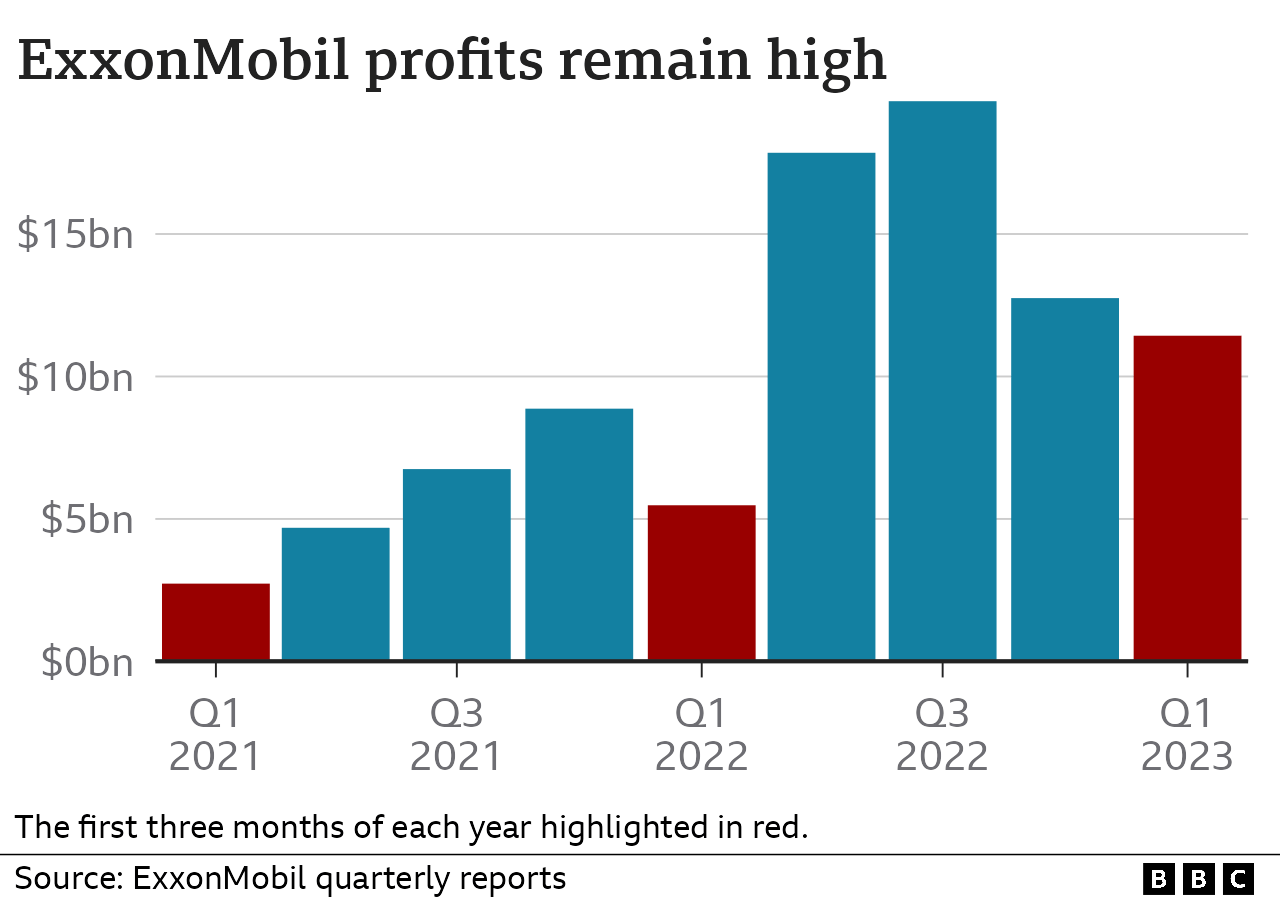
Historically, an era of high commodity prices triggered a frantic race to drill, resulting in oversupply, depressed margins, and destroyed shareholder value. Today’s earnings reports reveal a vastly different corporate playbook. C-suite executives are facing strict governance mandates from institutional shareholders who demand capital discipline above volume growth.
Consequently, capital expenditure budgets remain remarkably restrained. Instead of funneling surplus liquidity into high-risk frontier exploration, financial leaders are deploying capital through:
- Aggressive Share Buybacks: Reducing share counts to boost earnings per share (EPS) and enhance long-term valuation multiples.
- Variable and Base Dividend Growth: Rewarding long-term equity holders with direct yield enhancements.
- Strategic De-risking: Paying down legacy long-term debt to strengthen balance sheets against future commodity downturns.
This disciplined approach has fundamentally transformed the risk-reward profile of the energy sector, turning traditional cyclical equities into reliable income-generating assets for institutional portfolios.
Comparative Metrics: Financial Performance Overview
The following table outlines the comparative financial performance trends across major global energy operators during the current fiscal cycle:
| Metric / Indicator | Current Reporting Period | Prior Year Period | Strategic Implication |
|---|---|---|---|
| Aggregate Net Income | Multi-billion dollar beats across Supermajors | Stable to Moderately Lower | Refining margins and cost control offset crude dips. |
| Free Cash Flow Yield | 8.5% – 12.0% average | 7.0% – 10.5% average | Supports elevated share repurchase programs. |
| Capital Expenditure (CapEx) Growth | Flat to +3% YoY | Flat YoY | Demonstrates ongoing capital discipline over volume. |
| Debt-to-Equity Ratio | Sub-20% industry median | 22% – 25% median | Superior balance sheet fortification and risk mitigation. |
Industry & Market Implications
The macroeconomic fallout from sustained high energy earnings reverberates across multiple economic sectors. For industrial manufacturers, logistics providers, and chemical producers, elevated energy input costs squeeze operating margins, forcing businesses to pass expenses down to the end consumer or absorb margin compression.
Conversely, regional economies heavily anchored by hydrocarbon extraction are experiencing robust fiscal surpluses. Sovereign wealth funds in the Middle North Africa (MENA) region and state treasuries in North America are utilizing these inflows to fund expansive economic diversification initiatives, infrastructure scalability projects, and sovereign tech investments.
However, the widening spread between corporate revenues and consumer pain points has placed the industry squarely in the legislative crosshairs. Policymakers in Washington, Brussels, and London face mounting pressure from constituents to implement punitive windfall taxes or accelerate regulatory compliance frameworks aimed at forcing faster transitions toward renewable energy assets. Legal challenges and environmental litigation continue to represent material operational risks for operators navigating this sensitive sociopolitical landscape.
Frequently Asked Questions (People Also Ask)
Why are oil companies reporting massive earnings while consumers face high prices?
Oil company profitability is largely a function of global commodity pricing, refined product cracks, and operational scale rather than retail station pricing alone. Integrated supermajors operate global upstream, midstream, and downstream assets. When global supply constraints push crude and refined product prices upward, upstream extraction divisions capture wide margins. Additionally, years of strict capital discipline and technological cost-reduction have drastically lowered their corporate breakeven points, allowing them to convert revenue into net income more efficiently than in past economic cycles.
Are these earnings being reinvested into oil production or green energy?
Current corporate strategy heavily favors shareholder returns—specifically through share buybacks and dividend growth—over aggressive production expansion or greenfield fossil fuel exploration. While major operators maintain targeted investments in lower-carbon technologies such as carbon capture, utilization, and storage (CCUS), hydrogen, and select renewable power assets, capital allocation remains strictly disciplined to satisfy institutional investor demands for short-term yield and long-term balance sheet security.
How do geopolitical tensions impact these quarterly financial results?
Geopolitical friction introduces severe supply-side risk premiums into global energy markets. Conflicts or trade embargoes affecting major shipping chokepoints or producer nations restrict the physical flow of crude and liquefied natural gas (LNG). This artificial or real tightening of supply drives up benchmark prices, directly expanding profit margins for producers operating outside disrupted zones or those with diversified global supply chains.
Could governments implement windfall taxes in response to these earnings?
The possibility of targeted windfall profit taxes remains a persistent political threat. Whenever integrated energy firms post record profits during periods of high inflation for retail consumers, legislative bodies face intense populist pressure to enact special tax levies. However, industry analysts note that such taxes often face complex legal hurdles, can disincentivize long-term capital investment in domestic energy infrastructure, and may inadvertently restrict market liquidity.
Future Outlook and Key Milestones to Watch
Looking ahead, the trajectory of oil company earnings will hinge on a delicate interplay between macroeconomic demand destruction, OPEC+ production quotas, and geopolitical stability. As global manufacturing PMIs fluctuate and electric vehicle adoption curves steepen, long-term demand forecasts for light distillates remain a subject of intense industry modeling.
Key milestones for market participants to monitor over the coming quarters include:
- OPEC+ Production Policy Shifts: Decisions regarding quota rollbacks or volume increases will dictate near-term crude inventory levels.
- Global Central Bank Monetary Policy: Interest rate trajectories will influence industrial energy demand and broader commodity valuation multiples.
- Quarterly CapEx Guidance Updates: Any sudden pivot toward aggressive exploration spending would signal a structural shift in corporate strategy.
- Regulatory & Legislative Developments: Proposed carbon pricing mechanisms, antitrust scrutiny, and potential fiscal tax reforms in major Western economies.
Ultimately, today's oil majors have proven their resilience in a volatile world. By mastering capital allocation, leveraging cutting-edge operational technology, and maintaining balance sheet fortitude, they have solidified their financial standing—ensuring that they remain central players in the global economy regardless of the macroeconomic weather ahead.