
Executive Takeaways
- High-Stakes Comeback: United Launch Alliance (ULA) is preparing its heavy-lift Vulcan Centaur rocket for a critical return-to-flight mission, scheduled ominously for Friday the 13th.
- Enterprise & National Security Impact: The flight directly influences Department of Defense (DoD) launch cadences, vital commercial satellite deployments, and the broader valuation multiples of the U.S. launch services sector.
- Engineering Remediation: Following anomalies identified in earlier developmental flights, ULA engineers have enacted stringent risk mitigation protocols and infrastructure upgrades on the Centaur V upper stage.
- Market Re-rating: A successful mission restores critical capital allocation confidence to institutional stakeholders, validating multi-billion-dollar enterprise infrastructure pipelines against aggressive competitors like SpaceX.
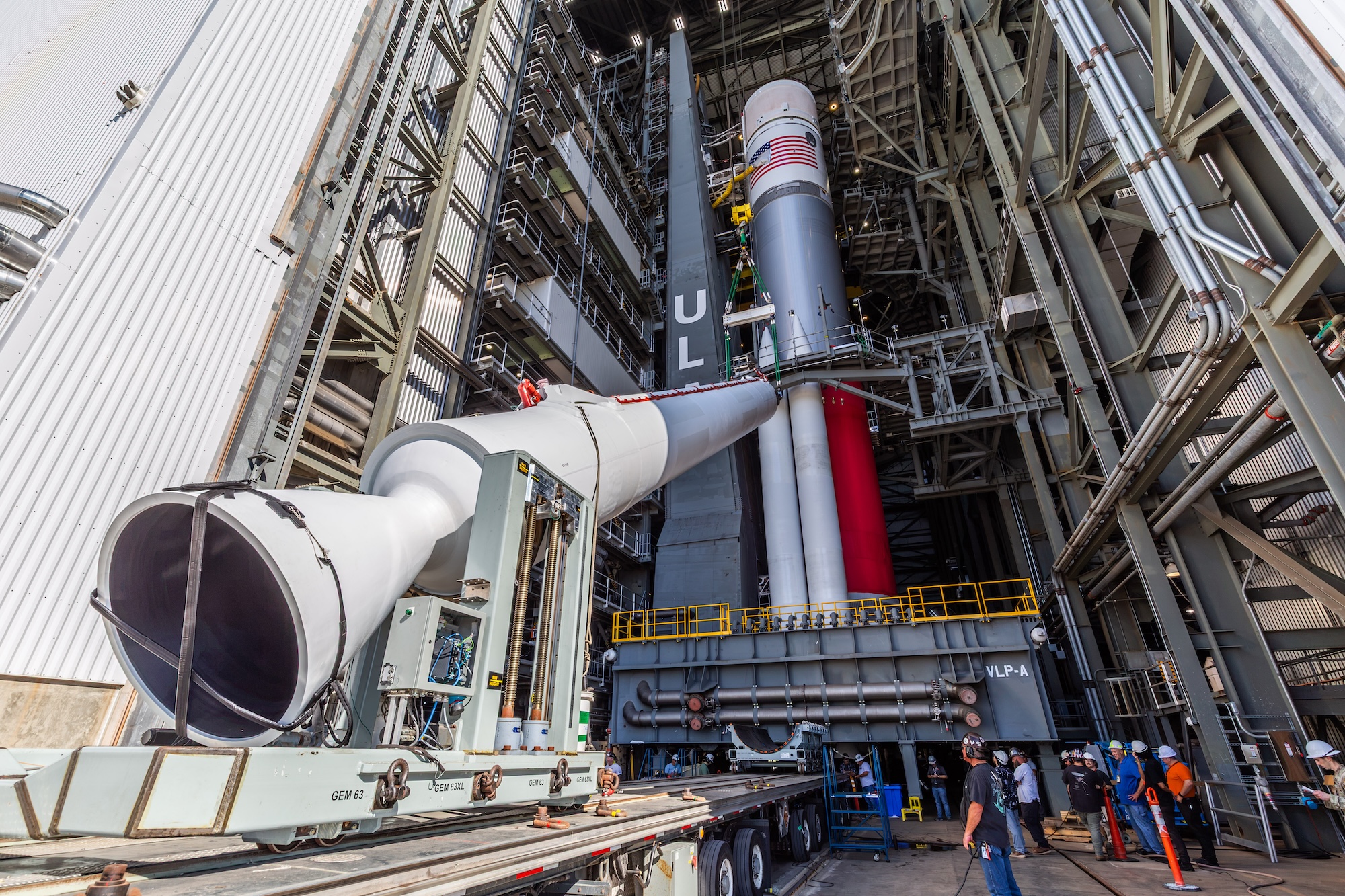
CAPE CANAVERAL, Fla. — In the high-stakes arena of heavy-lift orbital mechanics, superstition rarely dictates the calendar. Yet, as United Launch Alliance (ULA) targets a high-visibility return-to-flight mission for its next-generation Vulcan Centaur rocket on Friday the 13th, the juxtaposition of boardroom anxiety and rocket science is palpable. For an industrial titan backed by defense giants Boeing and Lockheed Martin, this launch is much more than a routine trip to the thermosphere; it is a definitive test of operational resilience, technical remediation, and enterprise market positioning.
Following a meticulous root-cause investigation into anomalies that temporarily grounded the vehicle, ULA’s engineering teams have worked under intense scrutiny to secure regulatory compliance and flight readiness. For institutional investors, aerospace analysts, and commercial payload customers, the upcoming countdown represents a pivotal moment for capital allocation, risk mitigation, and supply chain continuity in a crowded, hyper-competitive global launch market.
The Catalytic Event: Anatomy of the Vulcan Grounding
Test Our Free AI & Tech Utilities Suite
Calculate LLM API token costs, analyze article dwell-time, or simulate tech DCA returns.
To understand the gravity of Friday the 13th’s launch window, one must examine the operational hurdles that necessitated ULA’s temporary stand-down. The Vulcan architecture—designed to replace both the venerable Atlas V and Delta IV heavy-lift vehicles—relies on a novel high-performance configuration, featuring Northrop Grumman solid rocket boosters and Blue Origin BE-4 methane-fueled primary engines, topped by the powerful Centaur V upper stage.
During previous flight evaluations, telemetry anomalies flagged structural concerns during high-stress atmospheric phases, prompting immediate intervention by ULA’s executive and technical committees. In the aerospace sector, where asset replacement costs run into the hundreds of millions and payload queues span years, risk mitigation supersedes schedule urgency. ULA leadership chose a conservative path of comprehensive ground testing, non-destructive evaluation, and hardware redesign rather than rushing back to the pad.
This disciplined approach to technical debt and infrastructure scalability is viewed favorably by institutional capital allocators who prioritize long-term asset security over short-term PR victories. Nevertheless, every day a launch vehicle remains grounded introduces opportunity costs, impacting revenue recognition and tightening market liquidity for delayed satellite constellations.
Engineering Rigor and the Centaur V Evolution
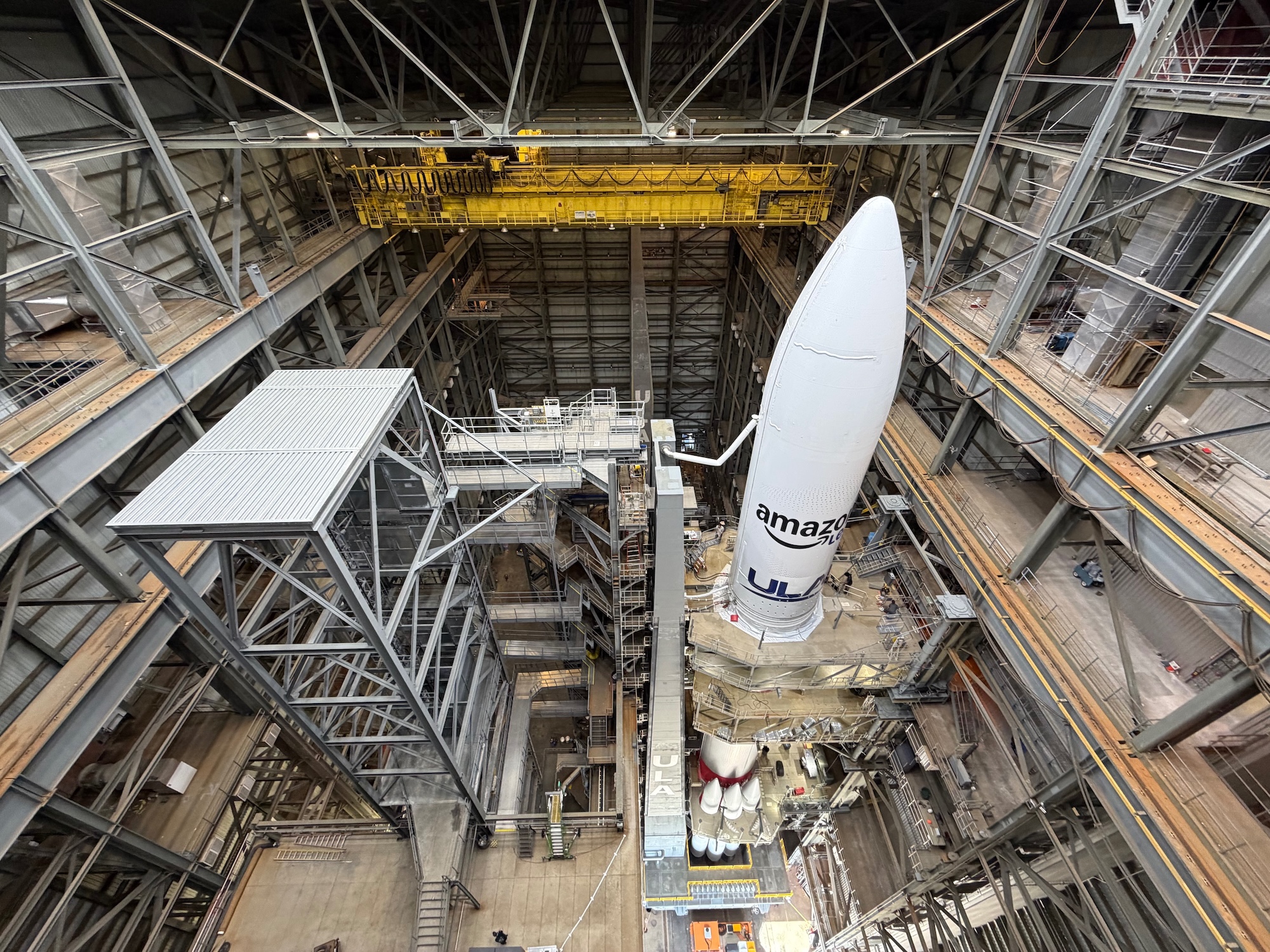
At the center of ULA’s return-to-flight strategy is the Centaur V upper stage. Upgraded to handle higher structural loads and prolonged orbital burn profiles required by complex national security payloads, the Centaur V required iterative refinement following flight data reviews.
Engineers implemented targeted structural reinforcements and updated thermal protection systems, subjecting components to rigorous acoustic and vibration testing chambers to simulate extreme max-Q aerodynamic pressure profiles. This rigorous testing phase underscores the capital-intensive nature of modern launch vehicle engineering. Unlike software-driven tech ecosystems where rapid prototyping and "failing fast" are celebrated, heavy aerospace manufacturing demands absolute perfection on initialization—a zero-defect tolerance model.
Furthermore, ULA’s supply chain partners had to align with these updated compliance standards, ensuring that every forged alloy, composite panel, and avionics chipset met rigorous aerospace-grade specifications. The resulting verification matrix has given mission assurance teams the statistical confidence required to clear the vehicle for flight.
Verified Data & Metrics Breakdown Table
The following metrics highlight the operational scale, technical parameters, and strategic positioning of ULA’s Vulcan return-to-flight mission within the broader commercial and defense launch landscape:
| Metric / Parameter | Vulcan Centaur Specification | Strategic / Market Impact |
|---|---|---|
| Primary Propulsion | 2x Blue Origin BE-4 (Methane/LOX) | High thrust efficiency, heavy-lift capability |
| Upper Stage | Centaur V (Upgraded Structural Profile) | Enables complex, multi-burn direct GEO insertions |
| Target Launch Date | Friday the 13th (Scheduled Window) | High-visibility media focus; psychological milestone |
| Primary Client Sectors | U.S. Space Force / National Security & Commercial | Secures multi-billion dollar national security backlog |
| Competitive Landscape | Duopoly/Oligopoly with SpaceX, Blue Origin | Maintains defense launch diversification mandates |
Industry & Market Implications: Who Wins, Who Loses
The macroeconomic ramifications of ULA’s flight performance extend far beyond Cape Canaveral. The global launch market is currently experiencing a structural transformation driven by surging demand for low Earth orbit (LEO) broadband constellations and geostationary national security assets.
The Winners: A flawless flight solidifies ULA’s market valuation and proves that its transition away from legacy Russian-built RD-180 engines (utilized on the Atlas V) to domestic methane powerplants is complete and commercially viable. Commercial customers seeking launch redundancy outside of SpaceX’s Falcon ecosystem stand to benefit directly from a reliable, highly capable alternative provider. Furthermore, parent companies Boeing and Lockheed Martin will see reduced risk exposure across their defense portfolios.
The Pressures: Conversely, any technical deviation during the Friday the 13th flight would intensify competitive pressure from rivals like SpaceX and emerging heavy-lift providers. In an industry where valuation multiples are closely tied to launch cadence and reliability records, schedule slippage directly impacts operational revenue streams and strains long-term customer deployment roadmaps.
Frequently Asked Questions (People Also Ask)
Why is ULA's Vulcan return-to-flight significant for the aerospace market?
The Vulcan Centaur is ULA’s flagship next-generation heavy-lift vehicle, designed to replace the retiring Atlas V and Delta IV rockets. Its success is essential for fulfilling multi-billion-dollar national security launch contracts for the U.S. Space Force and servicing major commercial satellite operators, ensuring healthy market competition and launch redundancy.
What caused the previous launch delays and grounding for the Vulcan rocket?
Earlier developmental missions identified telemetry and structural anomalies during high-stress atmospheric phases. ULA proactively initiated comprehensive engineering reviews, ground testing, and structural reinforcements—particularly on the Centaur V upper stage—to ensure absolute mission assurance before clearing the vehicle for subsequent flights.
How does the Vulcan rocket differ from ULA's older launch vehicles?
Unlike the Atlas V, which utilized Russian-built RD-180 engines, Vulcan features American-made Blue Origin BE-4 methane-fueled engines and Northrop Grumman solid rocket boosters. It also incorporates the high-performance Centaur V upper stage, offering significantly increased mass-to-orbit capabilities and greater orbital insertion flexibility.
What are the financial and economic implications of a successful launch?
A successful mission validates ULA's capital allocation strategy, protects its enterprise valuation, and reassures institutional investors and defense stakeholders of the company's manufacturing and engineering reliability. It stabilizes the industrial supply chain and secures near-term revenue recognition across major enterprise contracts.
Future Outlook: Milestones and Strategic Horizon
As the countdown clock ticks toward ignition on Friday the 13th, the broader aerospace sector will monitor telemetry data with intense analytical precision. Beyond the immediate psychological milestone of the launch date, industry stakeholders will look for several key performance indicators during flight:
- MECO and Staging Precision: Clean main engine cutoff (MECO) and seamless stage separation of the heavy boosters.
- 스와Centaur V Thermal and Structural Performance: Verification that engineering modifications successfully resolved previous upper-stage stress anomalies.
- Payload Deployment Accuracy: Precise orbital insertion parameters confirming the vehicle's capability to meet stringent national security certification requirements.
Ultimately, a successful flight will not only banish the superstitions surrounding Friday the 13th but will re-anchor ULA as an indispensable pillar of modern space infrastructure. For institutional investors, corporate strategists, and defense planners alike, the return of the Vulcan rocket marks the definitive beginning of ULA’s next multi-decade chapter in orbital commerce and national security.


