UN General Assembly Showdown: Zelenskyy and Pezeshkian Clash Over Global Conflicts as World Leaders Demand Action
UNITED NATIONS — Global diplomacy reached a fever pitch at the United Nations headquarters today as Ukrainian President Volodymyr Zelenskyy and Iranian President Masoud Pezeshkian took to the podium in back-to-back addresses. Delivering high-stakes speeches amid escalating multi-theater conflicts in Eastern Europe and the Middle East, both leaders used the world’s premier diplomatic stage to rally international allies, defend their military postures, and issue stark warnings about the trajectory of global security.
The addresses, covered extensively by global wire services and leading foreign policy desks, underscored a fractured international order. As world leaders grapple with economic fallout, energy crunches, and deepening geopolitical alignments, the speeches by Zelenskyy and Pezeshkian served as lightning rods for broader debates over sovereignty, deterrence, and the future of multilateral institutions.
High-Stakes Diplomacy at the Glass Palace
The atmosphere inside the General Assembly hall was tense as the session commenced. Security was tight, and delegations from nearly 200 nations crowded the chamber to hear how two nations deeply embroiled in asymmetric and conventional warfare would frame their narratives.
Ukrainian President Volodymyr Zelenskyy arrived with a familiar yet intensified message: the architecture of international security is failing, and Kyiv requires sustained, unyielding western backing to prevent a broader continental collapse. His address came on the heels of a bruising summer campaign and ongoing infrastructure strikes that have left millions of Ukrainians bracing for another harsh winter.
Concurrently, Iranian President Masoud Pezeshkian used his inaugural appearance at the UN to project defiance and a desire for regional realignment. Representing a nation caught in a complex web of proxy conflicts, economic sanctions, and direct confrontations with Israel and Western powers, Pezeshkian attempted to position Tehran as a stabilizing force while fiercely criticizing Western interventionism in the Middle East.
- Zelenskyy's Core Demand: Immediate acceleration of military aid, air defense systems, and strict enforcement of international sanctions against Moscow.
- Pezeshkian's Strategic Narrative: A call for regional dialogue, condemnation of Israeli military actions, and pushback against what Tehran terms "economic terrorism" by Western nations.
- Global Market Reaction: Immediate volatility in energy futures, with crude oil benchmarks ticking upward amid heightened risks of broader Middle Eastern escalation.
Zelenskyy Warns of 'Frozen' Illusion

Stepping up to the podium in his characteristic military-style attire, President Zelenskyy wasted no time dismantling the notion that a negotiated stalemate or a frozen conflict could bring lasting peace to Ukraine. Drawing on real-time intelligence and the lived reality of ongoing bombardments, he argued that any compromise rewarding territorial aggression would set a dangerous global precedent.
"There can be no genuine security architecture built on the ashes of stolen sovereignty," Zelenskyy told the assembled delegates. He criticized international hesitation, arguing that bureaucratic delays in delivering advanced weaponry have directly prolonged the conflict and emboldened the Kremlin.
Economic analysts and geopolitical strategists watching the feed noted that Zelenskyy’s rhetoric was notably calibrated for an American and European audience currently experiencing "Ukraine fatigue" and facing domestic political shifts. By tying the defense of Ukraine directly to the preservation of global trade routes and democratic norms, Kyiv aimed to reset the urgency dial in Western capitals.
Pezeshkian Positions Iran on the Global Stage
In stark contrast, Iranian President Masoud Pezeshkian focused his address on reshaping the narrative surrounding Tehran’s foreign policy. Often portrayed by Western intelligence as a hardline architect of regional destabilization, Pezeshkian presented a more nuanced diplomatic front, emphasizing sovereignty, non-interference, and multilateral economic cooperation.
Pezeshkian launched a vehement critique of Western foreign policy, pointing to the ongoing humanitarian crises in Gaza and Lebanon as proof of double standards in international law. "The world is watching as impunity reigns in the Middle East, backed by those who lecture others on human rights," Pezeshkian stated through a translator.
Market watchers and energy experts immediately parsed Pezeshkian’s remarks for any signals regarding Iran’s nuclear program or potential disruptions to the Strait of Hormuz—a vital chokepoint for global oil transit. While the Iranian president did not announce radical policy shifts, his assertive stance signaled that Tehran remains unfazed by ongoing maximum-pressure sanctions.
Market Impacts and Economic Fallout
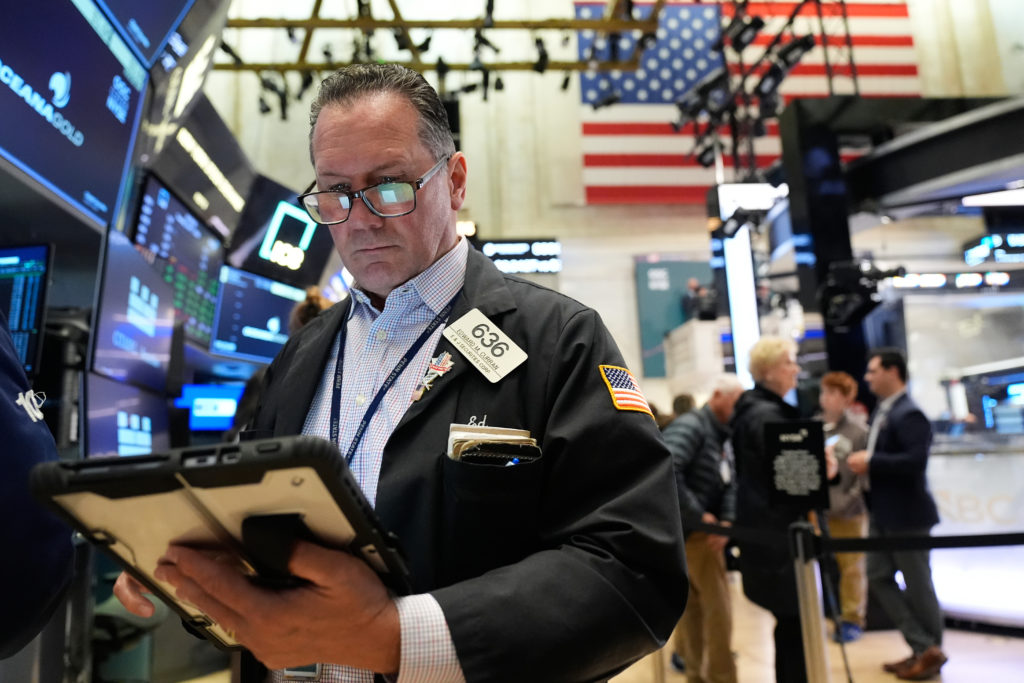
The simultaneous addresses by leaders of two nations deeply integrated into the global geopolitical crisis sent immediate ripples through international financial and energy markets. Wall Street and European bourses tracked the speeches closely, factoring the heightened rhetoric into risk assessments for commodities and defense sectors.
| Key Sector | Immediate Market Reaction | Primary Driver |
|---|---|---|
| Global Crude Oil | Upward pressure (+1.8%) | Fears of Middle Eastern shipping lane disruptions and prolonged European energy strain. |
| Defense Equities | Sustained bullish trend | Expectations of prolonged NATO resupply contracts and increased European defense spending. |
| European Currencies | Mild downward pressure | Persistent energy vulnerability and geopolitical proximity to the Ukraine theater. |
Looking Ahead: The Path to De-escalation
As the high-level debate at the United Nations continues, diplomats behind closed doors are working frantically to translate rhetorical posturing into tangible diplomatic off-ramps. However, analysts remain skeptical. With both Moscow and Tehran deeply entrenched in their strategic objectives, and Kyiv refusing to cede territory, the gap between diplomatic engagement and battlefield reality remains wider than ever.
For global business leaders, investors, and policymakers, today's speeches serve as a stark reminder: the era of localized, contained regional conflicts is over. What happens in Kyiv and Tehran reverberates instantly through global supply chains, energy grids, and financial markets, making real-time geopolitical intelligence more critical than ever.
Frequently Asked Questions
What were the main takeaways from President Zelenskyy's UN address?
President Zelenskyy emphasized the urgent need for advanced air defense systems, rejected any "frozen conflict" compromises that cede Ukrainian territory, and urged Western allies to accelerate military aid and enforce stricter sanctions against Moscow.
How did Iranian President Pezeshkian frame his country's foreign policy?
President Pezeshkian criticized Western foreign policy and double standards regarding human rights, particularly concerning conflicts in the Middle East, while defending Iran's regional stance and pushing back against international economic sanctions.