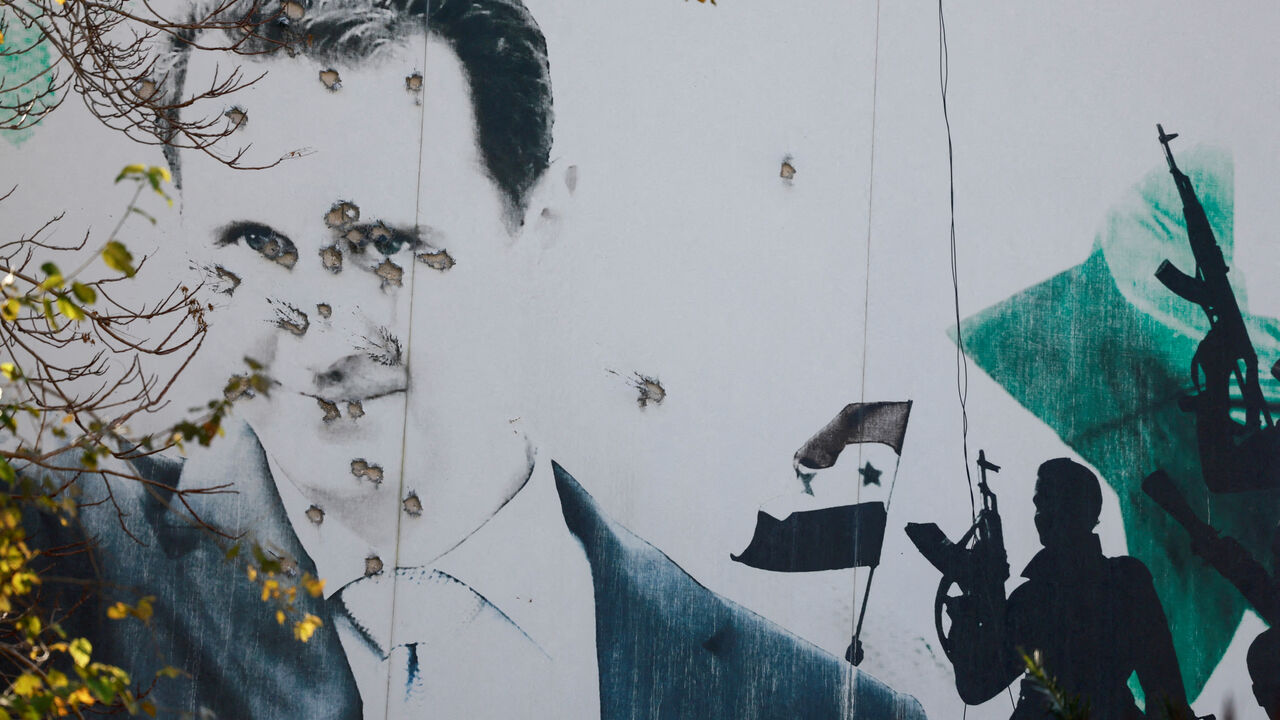
Chemicals, Combat Boots, and Collapsing Walls: Syria Begins Eradicating the al-Assad Regime's Darkest Legacy
DAMASCUS/MOADAMIYAT AL-SHAM — In a monumental step toward dismantling half a century of authoritarian rule, Syrian authorities have officially commenced the destruction of residual chemical weapons materials dating back to the ousted Bashar al-Assad regime. Marking the first such systematic annihilation operation in over a decade, international observers and domestic leaders alike are watching closely as the country attempts to purge its most lethal physical reminders of state-sponsored violence.
Simultaneously, the geopolitical landscape of the fractured nation is shifting beneath the feet of former adversaries. In northeastern Syria, Kurdish women who frontlined the grueling, blood-soaked campaigns against the Islamic State in Iraq and the Levant (ISIL) are now aggressively lobbying for a permanent, foundational role in the country’s nascent security apparatus. Meanwhile, on the streets of Damascus and its battered suburbs like Moadamiyat al-sham, daily survival has taken on a surreal, deeply pragmatic tone—captured best by the haunting, desperate local refrain echoing through hollowed-out neighborhoods: "Can I take the door?"
The Eradication of a Toxic Arsenal
For the first time since the infamous 2013 chemical attacks that shocked the global conscience and triggered international intervention, heavy industrial machinery and specialized security details have mobilized to neutralize toxic precursors and munitions remnants tied to the previous regime. The destruction process, verified by regional wire reports originating from Al Jazeera, signals an urgent bid by the emerging interim administration to prove its compliance with international non-proliferation standards and to restore a semblance of rule-of-law governance.
- First in a Decade: This operation marks the initial large-scale, domestically acknowledged destruction of al-Assad-era chemical payloads since international pacts were theoretically brokered ten years ago.
- Strategic Imperative: Interim authorities are racing to secure unmonitored stockpiles before they can be leveraged by splinter cells or black-market syndicates.
- Global Stakes: Western intelligence agencies and the Organisation for the Prohibition of Chemical Weapons (OPCW) are maintaining active communication channels to verify the integrity of the elimination process.
Yet, clearing toxic chemicals from hidden bunkers is only one piece of a vastly complicated puzzle. The monumental task of rebuilding a functioning state requires addressing the profound human capital and security voids left in the wake of al-Assad's sudden collapse.
Frontline Female Fighters Demand a Seat at the Security Table

Nowhere is this transformation more visible—or fiercely contested—than in the shifting roles of women who bore arms during the darkest years of the civil war. Kurdish female combatants, who earned global respect and battlefield renown as the vanguard against ISIL, are refusing to be relegated to the shadows now that conventional hostilities with the regime have ceased.
Having commanded battalions, broken sieges, and outmaneuvered extremist ideologies in the country’s northeast, these women are actively demanding integration into Syria’s future national security architecture. Their inclusion represents a direct ideological challenge to both the remnants of Ba'athist patriarchy and the deeply conservative factions rising in other parts of the country.
"We fought in the trenches when the world watched us burn," noted a senior regional commander involved in the integration talks. "A new Syria cannot be built by sidelining the very forces that saved it from total annihilation by extremists."
At Ground Zero: The Desperate Economy of Salvage
Away from high-level geopolitical maneuvering and military command tents, the grassroots reality of Syria’s transition is brutally physical. In suburbs like Moadamiyat al-sham—long scarred by sieges, barrel bombings, and infrastructural ruin—residents are navigating an economy built entirely on rubble and salvage.
The poignant, recurring street-level question, "Can I take the door?" encapsulates the tragic utilitarianism governing daily life. With millions of homes pulverized or structurally compromised, doors, window frames, corrugated iron sheets, and rusted rebars have become high-value commodities. Returning refugees and displaced locals routinely bargain with neighborhood committees or informal militias just to scavenge salvageable building materials to construct makeshift roofs over their shattered lives.
| Focus Area | Current Status | Key Implication |
|---|---|---|
| Chemical Weapons | Destruction underway in Moadamiyat al-sham & surrounding zones. | Aims to satisfy international oversight and eliminate proliferation risks. |
| Security Forces | Kurdish female veterans pushing for institutional military integration. | Redefines gender dynamics and ethnic power-sharing in the new state. |
| Infrastructure | Severe devastation; widespread reliance on salvage economies. | Highlights the immense financial and humanitarian aid required for reconstruction. |
What Comes Next for the Fractured State?
As Syria begins the irreversible work of destroying al-Assad's physical and chemical inheritance, the path forward remains fraught with peril. The central government must balance the demands of powerful localized militias, integrate battle-hardened veterans who demand political agency, and manage an exhausted populace that is literally picking through the ruins of its own history.
The success of the current chemical destruction initiative will serve as an immediate litmus test for the interim leadership's international credibility. If they can successfully purge the toxic legacy of the past while navigating the complex human mosaic of the present, Syria may finally begin the long, agonizing ascent out of the ashes.
Frequently Asked Questions
Why is Syria destroying chemical weapons materials now?
Following the collapse of the Bashar al-Assad regime, the new authorities and transitional bodies are working to secure unmonitored military assets, comply with international non-proliferation treaties, and prove to the global community that the country poses no chemical threat.
What role are Kurdish women playing in the new security landscape?
Kurdish female fighters, who played a critical frontline role in defeating ISIL, are actively negotiating for formal integration into Syria's emerging security and defense structures to ensure representation and protect regional gains.