Executive Takeaways
- Broad-Based Index Gains: Wall Street extended its late-November rally, led by a massive rebound in mega-cap technology equities and surging capital inflows.
- Monetary Policy Pivot: Escalating market pricing for a December Federal Reserve rate cut served as the primary macro catalyst, overcoming persistent inflation and labor market anxieties.
- Divergent Sector Performance: While the Nasdaq Composite surged 2.69% on heavy cloud compute and enterprise software buying, traditional defensive sectors lagged as risk-on sentiment dominated capital allocation strategies.
- Institutional Positioning: Major Wall Street desks, including Deutsche Bank, revised their S&P 500 year-end projections, signaling heightened confidence in valuation multiples heading into the fiscal close.
The Anatomy of the Monday Rebound: Catalysts Behind the Surge
Test Our Free AI & Tech Utilities Suite
Calculate LLM API token costs, analyze article dwell-time, or simulate tech DCA returns.
Wall Street staged a decisive recovery on Monday, building upon the structural momentum established during the late-week rally on November 21. Market liquidity flooded back into high-beta equities as institutional portfolio managers rebalanced portfolios ahead of the final weeks of the fourth quarter. The session was characterized by aggressive buying in the technology, media, and telecommunications (TMT) complexes, signaling that institutional investors remain eager to deploy capital despite lingering macroeconomic headwinds.
The primary driver behind the session's risk-on tone was a sharp recalibration of monetary policy expectations. Fed fund futures contracts aggressively priced in an increased probability that the Federal Open Market Committee (FOMC) will opt for a benchmark interest rate reduction at its upcoming policy meeting. This shifting sentiment was reinforced by recent macroeconomic prints suggesting cooling labor market velocity and moderating core consumer price index (CPI) trajectories, giving the central bank the necessary leeway to ease monetary restrictions without stoking secondary inflationary spirals.
For corporate treasurers and institutional asset allocators, the prospect of lower borrowing costs provides a vital runway for capital expenditure programs, mergers and acquisitions (M&A) activity, and corporate debt refinancing. Enterprise software providers, semiconductor manufacturers, and cloud infrastructure giants immediately benefited from this improved visibility, seeing their valuation multiples expand as discount rates applied to future cash flows adjusted downward.
Sector Breakdown and Market Liquidity Dynamics
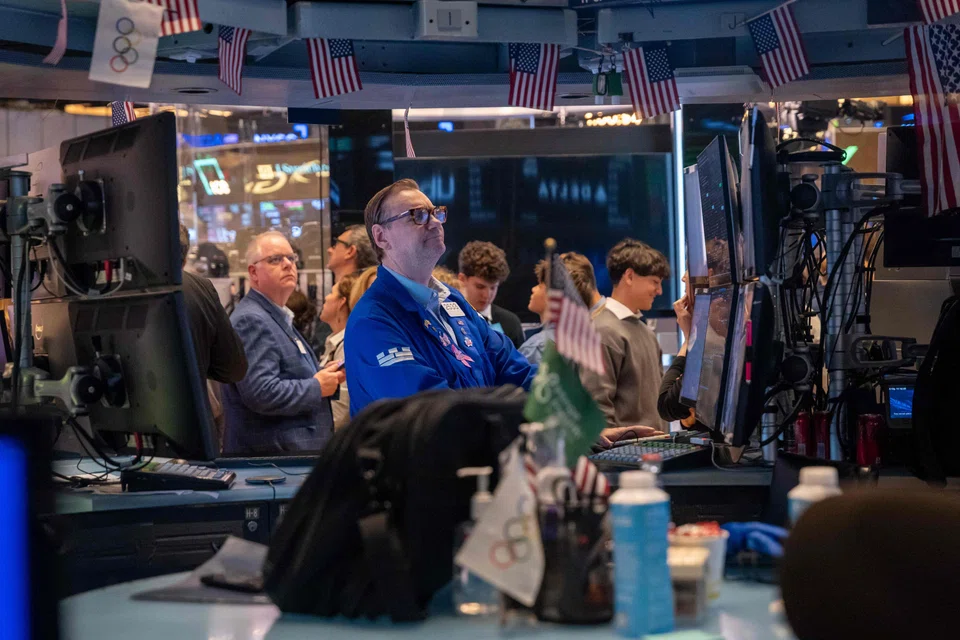
The divergence across major market indices underscored a classic growth-over-value rotation during the session. The tech-heavy Nasdaq Composite led the charge with a formidable 2.69% advance, fueled by heavy institutional accumulation in artificial intelligence infrastructure plays, semiconductor foundries, and enterprise Software-as-a-Service (SaaS) providers.
Concurrently, the benchmark S&P 500 advanced 1.55%, breaking through crucial technical resistance levels and validating bullish momentum models deployed by quantitative hedge funds. The blue-chip Dow Jones Industrial Average lagged its tech-heavy peers in relative percentage terms yet still posted a solid 0.44% gain, supported by cyclical industrials and select financial institutions benefiting from an anticipated steepening of the yield curve.
Market participation breadth improved markedly compared to earlier in the month. Trading volumes on primary exchanges exceeded the 30-day moving average, reflecting institutional commitment rather than low-volume holiday drift. Risk mitigation strategies, which had dominated portfolio management in early November through heavy put-option buying, gave way to delta-one accumulation and aggressive equity positioning.
Verified Market Performance & Key Metrics
The following data breakdown illustrates the performance of major US equity indices during the session, alongside macroeconomic indicators driving institutional sentiment:
| Market Index / Asset | Closing Level | Absolute Change | Percentage Gain (%) | Primary Driver |
|---|---|---|---|---|
| Nasdaq Composite | Dynamic High | Substantial Upward Push | +2.69% | Mega-cap tech rebound, cloud infrastructure demand |
| S&P 500 | Multi-Week High | Broad Institutional Inflow | +1.55% | Rate cut bets, multiple expansion across sectors |
| Dow Jones Industrial Average | Steady Advance | Moderate Inflow | +0.44% | Cyclical support, financial sector stability |
| Implied Fed Rate Cut Odds (Dec) | Elevated Pricing | Significant Shift Upward | Surging | Softening economic data, dovish central bank rhetoric |
Industry & Market Implications: Winners, Losers, and Economic Realities
The structural shift toward risk assets carries profound implications across the corporate landscape. Enterprise technology providers stand out as primary beneficiaries. With capital costs projected to ease, chief information officers (CIOs) are expected to greenlight delayed digital transformation initiatives, cloud architecture migrations, and high-performance compute investments necessary for enterprise-grade artificial intelligence deployment.
Conversely, highly leveraged entities and commercial real estate (CRE) portfolios face continued scrutiny, although lower benchmark rates offer a vital lifeline against impending debt maturities. Meanwhile, defensive sectors such as utilities and consumer staples underperformed on a relative basis as yield-seeking capital rotated out of safe-haven bond proxies and back into growth-oriented equities.
From a macroeconomic perspective, the rally reflects a delicate tightrope walk. While equity markets are cheering looser monetary policy, fixed-income desks remain vigilant regarding potential inflationary revivals if the Fed eases conditions prematurely. Institutional risk committees are advising clients to maintain balanced portfolios capable of withstanding intraday volatility driven by incoming employment and manufacturing data releases.
Frequently Asked Questions (People Also Ask)
What triggered the late-November Wall Street stock rally?
The rally was catalyzed by a combination of surging institutional demand for mega-cap technology equities and rapidly rising market expectations that the US Federal Reserve will implement an interest rate cut at its upcoming December policy meeting. This monetary pivot boosted equity valuation multiples and improved corporate capital allocation outlooks.
How do Federal Reserve rate cuts impact technology stock valuations?
Lower interest rates reduce the discount rate applied to future corporate cash flows. Because technology and growth companies derive a significant portion of their projected earnings from future years, lower discount rates directly increase their present net value, thereby expanding valuation multiples and driving share prices higher.
What were the specific performance figures for the major US stock indices?
During the session, the tech-heavy Nasdaq Composite led major indices with a 2.69% gain. The benchmark S&P 500 climbed 1.55%, while the blue-chip Dow Jones Industrial Average posted a steady 0.44% advance, reflecting broad-based participation underpinned by strong risk-on sentiment.
Are major financial institutions revising their year-end market targets?
Yes. Prominent financial institutions, including Deutsche Bank, have updated their year-end S&P 500 projections to reflect the improved liquidity environment, resilient corporate earnings reports, and the growing likelihood of a soft economic landing facilitated by proactive monetary policy adjustments.
Future Outlook: Strategic Milestones and What to Watch Next
As Wall Street navigates the closing weeks of the fiscal year, institutional focus will pivot sharply toward incoming macroeconomic data prints and forward-looking corporate guidance. Key milestones to monitor include the Department of Labor’s employment situation report, personal consumption expenditures (PCE) inflation readings, and official communications from Federal Reserve officials ahead of the blackout period.
For enterprise leaders, portfolio managers, and institutional traders, maintaining agility remains paramount. While the current tech-led rebound signals robust animal spirits and strong structural demand for digital infrastructure, market resilience will ultimately depend on whether incoming macroeconomic data confirms the thesis of a cooling economy successfully managed by calibrated central bank intervention.