Executive Takeaways
- Mission Termination: Starfish Space confirmed the permanent loss of contact with its Otter spacecraft, cutting short the pioneering Otter Pup satellite inspection mission.
- Technical Breakthroughs Preceding Failure: Prior to the telemetry blackout, the propulsion and rendezvous systems demonstrated critical autonomy capabilities, validating core aspects of enterprise infrastructure scalability for orbital logistics.
- Venture Capital and Risk Reappraisal: The incident triggers a rigorous reassessment of capital allocation, valuation multiples, and risk mitigation strategies across the burgeoning commercial in-space servicing sector.
- Regulatory and Insurance Impact: Underwriters and regulatory bodies are expected to scrutinize orbital debris mitigation protocols and liability frameworks following high-profile commercial space anomalies.
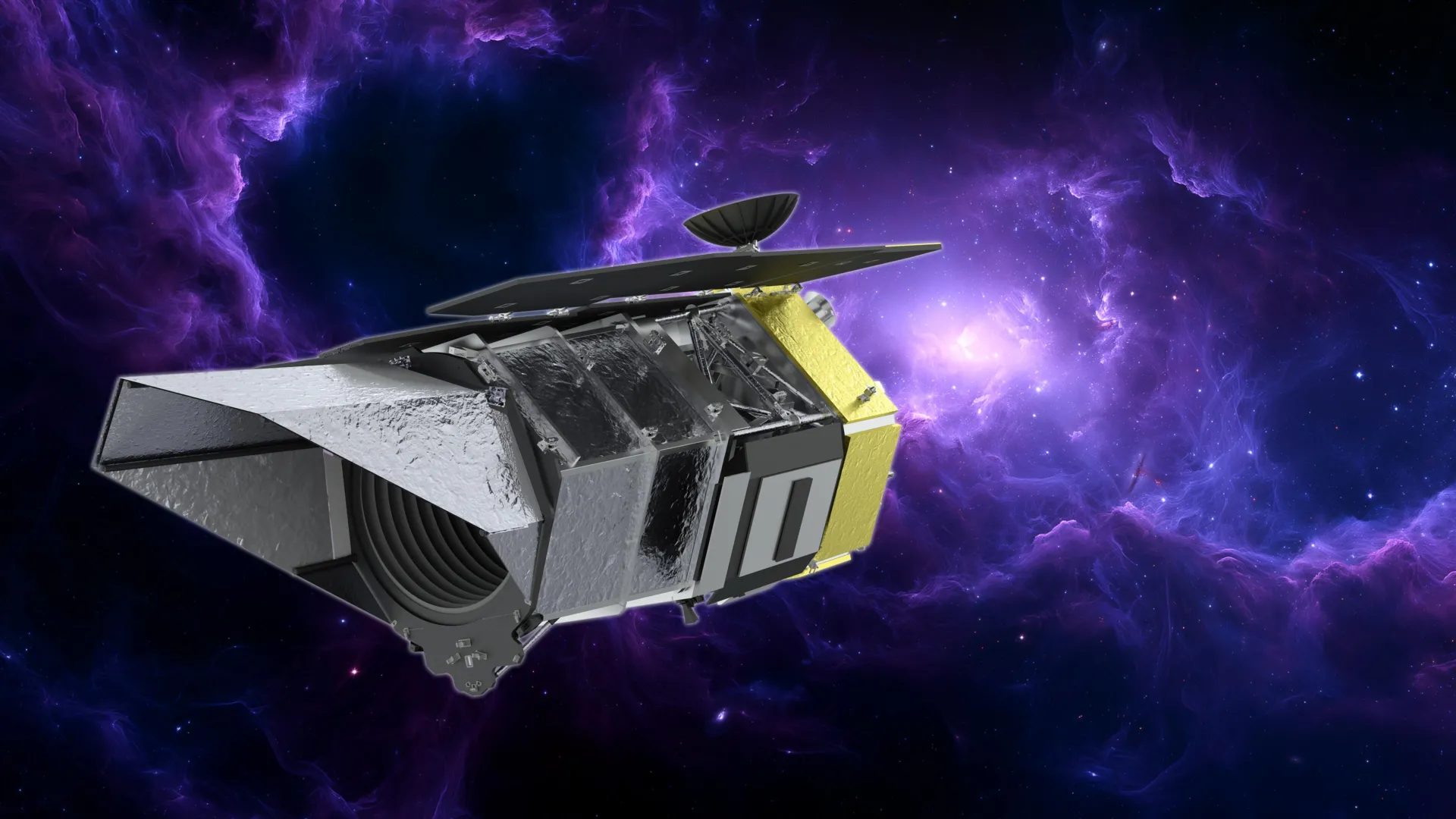
In the high-risk, capital-intensive arena of commercial space infrastructure, the margin between validation and catastrophe is measured in milliseconds and millivolts. Starfish Space, an emerging leader in orbital transfer and satellite life-extension technologies, has officially confirmed a permanent telemetry blackout with its flagship Otter spacecraft, abruptly terminating the highly anticipated Otter Pup satellite inspection mission. For venture capitalists, aerospace engineers, and institutional stakeholders monitoring the commercialization of low Earth orbit (LEO), the incident serves as a sobering reminder of the unforgiving operational realities governing the space economy.
The sudden loss of contact not only alters the near-term deployment roadmap for Starfish Space but also sends ripples through an industry racing to establish standardized servicing protocols for aging mega-constellations. As institutional investors evaluate portfolio risk mitigation and enterprise ROI across deep-tech holdings, the post-mortem of the Otter mission offers critical lessons in hardware resilience, autonomous software architecture, and the complex economics of space-based asset management.
The Anatomy of the Anomaly: Background and Catalytic Events
Test Our Free AI & Tech Utilities Suite
Calculate LLM API token costs, analyze article dwell-time, or simulate tech DCA returns.
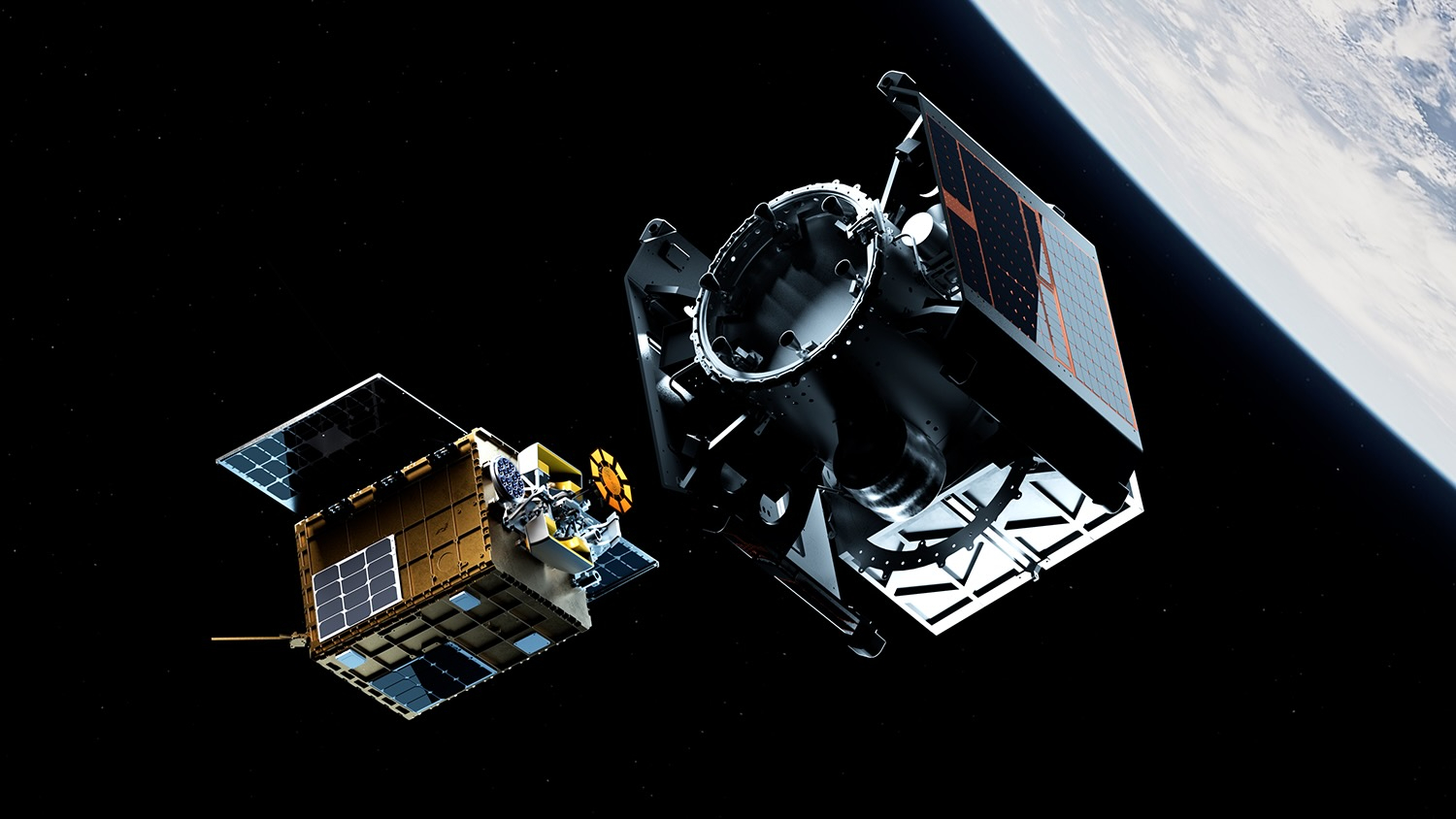
Founded by former Blue Origin and SpaceX propulsion engineers, Starfish Space positioned itself as a vanguard in the market for orbital mobility. The company's core value proposition centered on the Otter—a versatile, autonomous vehicle designed to dock with defunct or operational satellites, execute station-keeping maneuvers, and extend the operational lifespan of multi-million-dollar commercial and government payloads. The specific mission, dubbed Otter Pup, was designed to demonstrate proximity operations and non-cooperative rendezvous, a capability widely regarded by defense and commercial analysts as the holy grail of orbital logistics.
The spacecraft launched into LEO amid high expectations, intended to validate proprietary cold-gas propulsion systems and advanced machine-vision algorithms capable of identifying and navigating toward a target satellite without direct human intervention. According to technical briefings provided by mission control, the early phases of the flight exhibited promising data streams. Telemetry indicated that the propulsion subsystems were operating within nominal parameters, and the guidance, navigation, and control (GNC) architecture successfully processed initial optical datasets.
However, during a scheduled sequence designed to test fine-approach maneuvers, telemetry links degraded rapidly before dropping entirely. Subsequent attempts by engineering teams to re-establish a carrier wave or trigger automated reboot protocols yielded no response. Ground stations utilizing deep-space tracking networks confirmed that the spacecraft has ceased emitting beacon signals, rendering it unresponsive to ground commands. While preliminary forensic analysis points toward an unrecoverable power-bus failure or an unexpected attitude-control anomaly, definitive root-cause attribution remains pending as telemetry logs are meticulously reconstructed.
Verified Data & Metrics Breakdown
| Metric / Parameter | Mission Specification | Operational Status / Impact |
|---|---|---|
| Spacecraft Designation | Starfish Space Otter / Otter Pup | Permanent Telemetry Loss |
| Primary Mission Objective | Non-cooperative rendezvous and satellite inspection | Partially Achieved (Early-stage data collected) |
| Orbital Regime | Low Earth Orbit (LEO) | Inert orbital decay pathway |
| Core Technology Tested | Proprietary cold-gas thrusters & autonomous GNC software | Validated during initial flight phases |
| Financial Exposure | Venture-backed seed and Series A rounds | Requires capital restructuring and investor alignment |
Industry & Market Implications: Capital, Valuation, and Risk
The termination of the Otter Pup mission reverberates well beyond the engineering laboratories of Starfish Space, striking at the heart of macroeconomic sentiment surrounding the New Space economy. Over the past half-decade, private equity firms, venture capital syndicates, and sovereign wealth funds have poured billions of dollars into orbital servicing startups, operating on the thesis that extending satellite lifespans will unlock massive recurring revenue streams and dramatically lower capital expenditure for constellation operators.
However, market liquidity and valuation multiples in the aerospace sector are increasingly tied to empirical proof-of-concept execution rather than forward-looking technological projections. This anomaly introduces several immediate market dynamics:
- Capital Allocation and Dilution: Investors are recalibrating their risk models, placing a premium on redundancy, hardware-in-the-loop testing, and staged milestone funding. Startups lacking deep balance sheets may find securing bridge rounds increasingly challenging.
- Insurance and Underwriting Pressures: Space insurance syndicates, already grappling with elevated loss ratios across commercial satellite constellations, will likely adjust premium structures and tighten policy exclusions for autonomous rendezvous and docking (ARD) operations.
- Competitive Landscape Shifts: Well-capitalized incumbents and defense primes possessing diversified revenue streams may capture market share as commercial clients demand proven track records over unproven, high-alpha disruptors.
Despite these headwinds, industry executives argue that failure is an intrinsic component of hardware-rich iterative design. The data harvested during the operational windows prior to the blackout provides invaluable empirical inputs for software refinement, potentially accelerating long-term enterprise scalability for subsequent vehicle iterations.
Frequently Asked Questions (People Also Ask)
What caused the loss of contact with the Starfish Space Otter spacecraft?
While an exhaustive forensic investigation is ongoing, telemetry data preceding the blackout points toward an unexpected power-bus anomaly or attitude-control failure during proximity operations testing. Ground control has been unable to re-establish communication channels or trigger automated recovery routines.
What was the primary objective of the Otter Pup mission?
The mission was designed to demonstrate advanced proximity operations, non-cooperative rendezvous, and satellite inspection capabilities in low Earth orbit. These technologies are foundational for future commercial satellite life-extension, orbital debris removal, and active asset servicing.
How does this mission failure impact the commercial space servicing industry?
The incident highlights the inherent technical risks of autonomous orbital operations. It is expected to prompt closer regulatory scrutiny, more stringent insurance underwriting standards, and a more rigorous capital allocation strategy from venture investors evaluating deep-tech aerospace startups.
Is the disabled Otter spacecraft a hazard to other orbiting assets?
Space situational awareness (SSA) trackers are actively monitoring the trajectory of the inert spacecraft. Operating in low Earth orbit, the vehicle is subject to atmospheric drag, which will naturally facilitate orbital decay over time, though tracking teams continue to assess conjunction risks with active mega-constellations.
Future Outlook: Strategic Milestones to Watch
As Starfish Space pivots from crisis management to engineering remediation, the company's trajectory will serve as a bellwether for the commercial in-space servicing sector. Stakeholders must monitor several critical milestones over the next 12 to 24 months:
- Root-Cause Transparency: The release of the official anomaly investigation report will be pivotal for restoring institutional confidence. Transparency regarding software bugs versus hardware failures will dictate subsequent design modifications.
- Regulatory Compliance and Orbital Safety: Increased dialogue between commercial operators and regulatory bodies—such as the Federal Communications Commission (FCC) and the Federal Aviation Administration (FAA)—concerning end-of-life disposal protocols and debris mitigation mandates.
- Next-Generation Capital Raises: The ability of Starfish Space to secure follow-on venture funding or strategic defense contracts will test market appetite for risk-tolerant aerospace ventures in a tightening monetary environment.
Ultimately, the demise of the Otter Pup mission underscores the unforgiving physics of the orbital domain. While the setback is significant, the secular drivers underpinning in-space servicing—crowded orbits, escalating satellite replacement costs, and the imperative for sustainable space operations—remain intact. How industry leaders adapt to these operational realities will define the next chapter of commercial space infrastructure.