Executive Takeaways
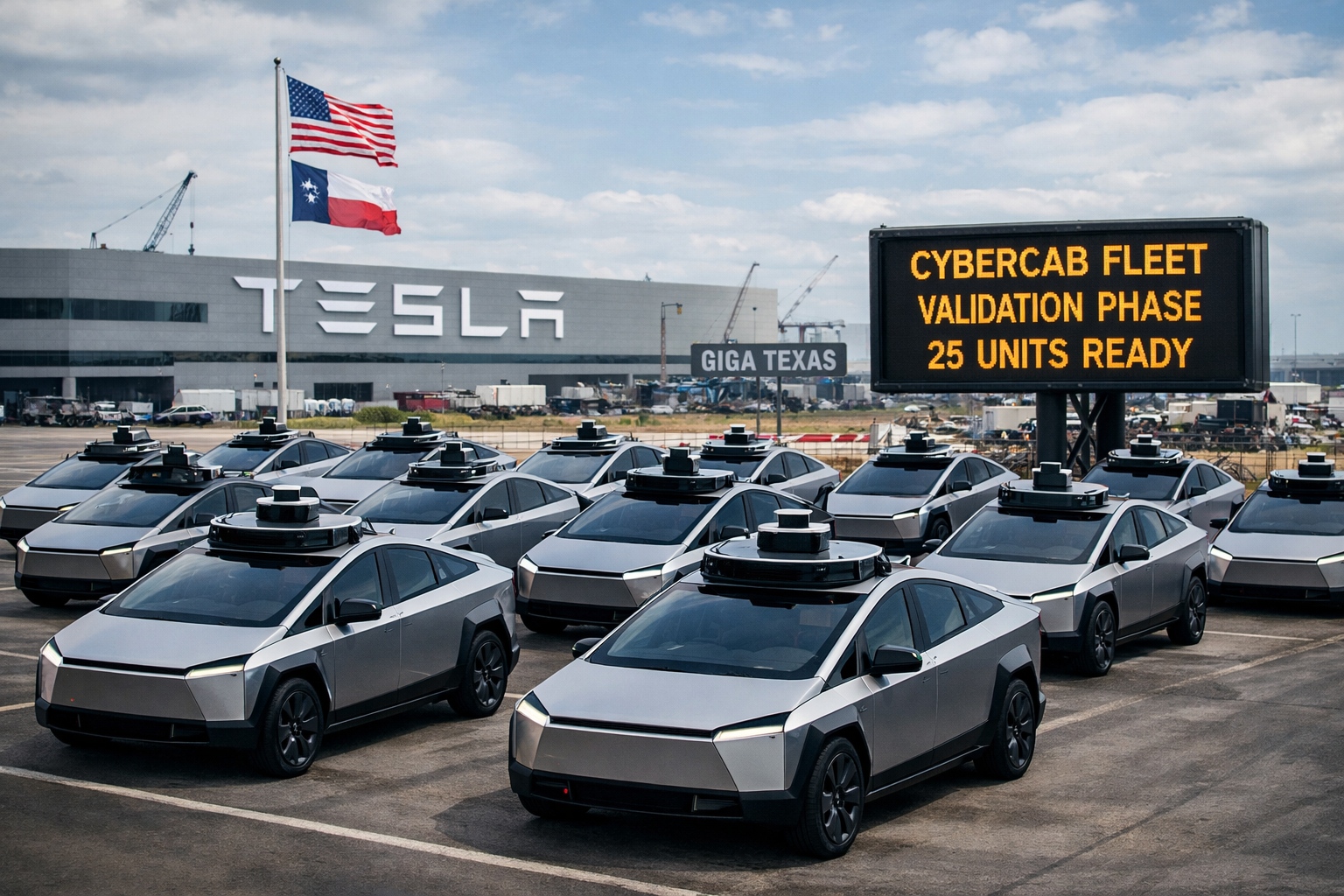
- Strategic Capital Reallocation: Tesla is systematically shifting manufacturing capacity at Giga Texas from the stainless-steel Cybertruck to the autonomous Cybercab, prioritizing high-margin robotaxi infrastructure over niche consumer trucks.
- Valuation Multiples Shift: Wall Street analysts note this operational pivot forces institutional investors to reprice Tesla from a traditional automotive original equipment manufacturer (OEM) to an artificial intelligence and mobility-as-a-service (MaaS) enterprise.
- Supply Chain and Infrastructure Overhaul: The transition requires immediate engineering realignment, impacting tier-1 automotive suppliers, stamping operations, and cloud compute architecture necessary for unsupervised Full Self-Driving (FSD) deployment.
AUSTIN, Texas — In a high-stakes strategic pivot that underscores a ruthless prioritization of capital allocation, Tesla Inc. has confirmed plans to wind down production of its flagship Cybertruck at Gigafactory Texas next year. The move is designed to aggressively accelerate the manufacturing ramp-up of the Cybercab, the company’s dedicated autonomous robotaxi. The decision, articulated by Chief Executive Officer Elon Musk during a briefing with institutional investors and verified by internal operational memos obtained by wire services, represents one of the most aggressive tactical pivots in modern automotive and technology history.
For months, financial markets have scrutinized Tesla’s production cadence, capacity utilization, and enterprise ROI across its multi-billion-dollar manufacturing hubs. By curtailing output on its most divisive consumer vehicle to make room for autonomous infrastructure, Musk is signaling to Wall Street that Tesla’s long-term valuation is no longer tethered to traditional automotive volume metrics, but rather to the execution and monetization of scalable artificial intelligence, fleet management, and regulatory-compliant autonomous mobility.
The Catalytic Shift: From Stainless Steel to Autonomous Fleets
Test Our Free AI & Tech Utilities Suite
Calculate LLM API token costs, analyze article dwell-time, or simulate tech DCA returns.
Unveiled with immense fanfare and engineered through arduous manufacturing hurdles—including the pioneering use of ultra-hard cold-rolled stainless steel and massive 9,000-tonne Giga Press casting machines—the Cybertruck was positioned as a technological tour de force. However, scaling the vehicle proved to be an immense capital drain with compressed margins. While early reservation numbers were robust, the addressable market for a polarizing, premium-priced electric pickup truck remains inherently limited compared to the vast, untapped global market for urban mobility and autonomous logistics.
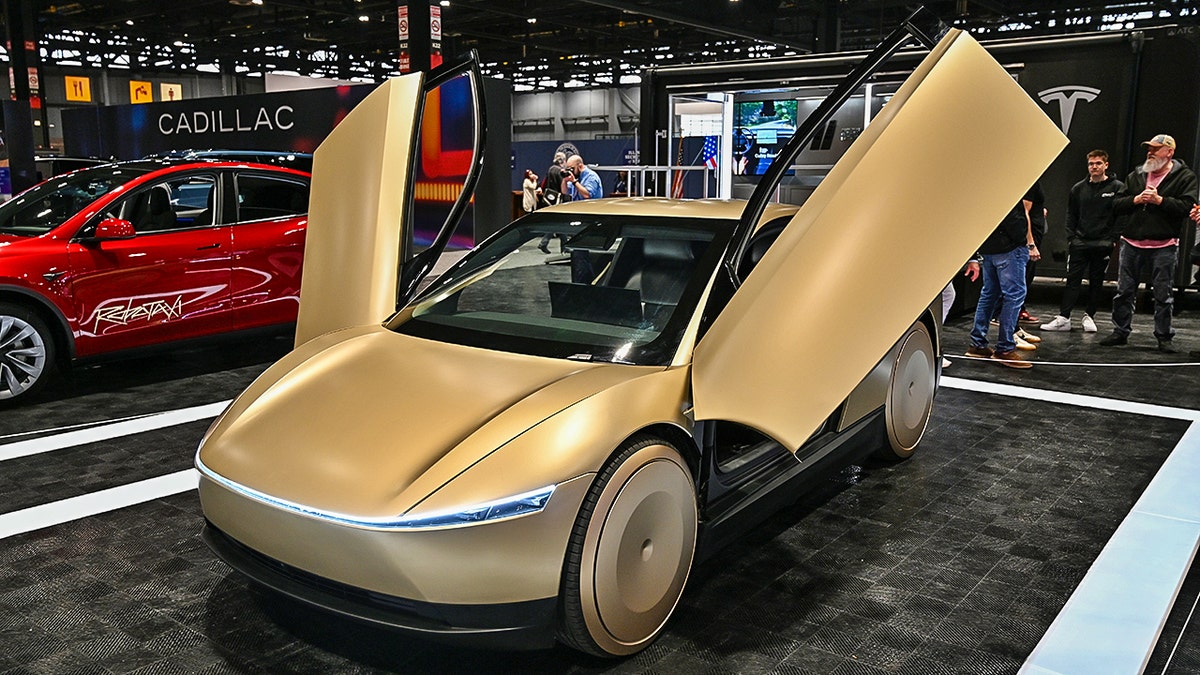
The Cybercab, conversely, is designed from the ground up for extreme cost efficiency and high-volume output. Devoid of traditional driver controls such as steering wheels and pedals, the vehicle relies entirely on Tesla’s neural network architecture and vision-based FSD software stack. By redirecting Giga Texas’s advanced assembly lines, tooling infrastructure, and engineering talent toward the Cybercab, Tesla aims to achieve the manufacturing velocity necessary to deploy a commercial robotaxi network at a scale that can disrupt traditional transit and ride-hailing economics.
This operational transition involves complex risk mitigation. Winding down a major vehicle line requires delicate supply chain negotiations, inventory balancing, and retooling precision. Capital expenditure previously earmarked for Cybertruck component scaling will be instantly funneled into automated assembly cells, validation testing for unsupervised autonomy, and the requisite cloud compute architecture needed to support real-time fleet telemetry.
Verified Data & Metrics Breakdown
| Metric / Parameter | Cybertruck Production Era | Cybercab Scale-Up Phase |
|---|---|---|
| Primary Manufacturing Hub | Gigafactory Texas (Austin) | Gigafactory Texas & Global Lines |
| Vehicle Architecture | Stainless steel exoskeleton, dual/tri-motor | Unboxed manufacturing process, steeringless |
| Primary Revenue Model | Direct consumer sales (CapEx intensive) | MaaS (Mobility-as-a-Service) & Fleet Ops |
| Regulatory Hurdles | Standard Federal Motor Vehicle Safety Standards | State-by-state autonomous deployment permits |
Industry and Market Implications
The announcement has sent immediate ripples across the global financial and automotive ecosystems. Traditional legacy automakers, many of whom have slowed their own aggressive EV timelines to preserve near-term profitability, are viewing Tesla’s maneuver with a mixture of apprehension and skepticism. While legacy OEMs continue to rely on internal combustion engine (ICE) cash cows to fund electrification transitions, Tesla is effectively burning the ships on consumer-facing niche vanity projects to race toward an AI-first business model.
Who Wins:
- AI and Software Stack Investors: Equity holders who view Tesla as a robotics and artificial intelligence enterprise stand to benefit as capital flows directly into high-margin software deployment rather than heavy-metal manufacturing.
- Urban Transit Disrupters: Fleet operators and software developers specializing in autonomous logistics will see accelerated validation of robotaxi network economics.
Who Loses:
- Tier-1 Automotive Component Suppliers: Suppliers heavily tooled for specialized stainless steel fabrication, unique exterior hardware, and heavy-duty truck components face sudden volume contractions and necessary contract renegotiations.
- Consumer EV Purists: Enthusiasts waiting for affordable or expanded Cybertruck tier configurations will find availability abruptly curtailed as production lines transition.
Frequently Asked Questions (People Also Ask)
Why is Tesla scaling down Cybertruck production so soon after launch?
Tesla is executing a major strategic reallocation of manufacturing footprint at Gigafactory Texas. By transitioning assembly lines from the low-volume, high-complexity Cybertruck to the high-volume Cybercab, Tesla aims to optimize capital allocation, improve corporate gross margins, and accelerate its entry into the commercial autonomous ride-hailing market.
What happens to existing Cybertruck reservations and warranty support?
Tesla has confirmed that existing customer orders fulfilled prior to the line shutdown will receive full factory support, parts availability, and warranty coverage. However, unfulfilled backlog configurations will be subject to final order fulfillment windows as current factory tooling is systematically cleared out.
How does the Cybercab impact Tesla’s valuation multiples on Wall Street?
Institutional analysts evaluate this shift as a transition from a traditional manufacturing valuation model to a tech-platform multiple. Success hinges on regulatory compliance for unsupervised FSD and the rapid scaling of software-driven recurring revenue streams rather than single-unit vehicle hardware sales.
Future Outlook: Milestones to Watch
As Tesla enters this critical transition window, institutional market makers and retail investors alike will be tracking specific operational milestones. Key performance indicators over the next twelve to eighteen months will include the speed at which Giga Texas retooling occurs, the regulatory approval timeline for unsupervised FSD in key jurisdictions such as California and Texas, and concrete disclosures regarding the unit economics of the Cybercab manufacturing process.
Ultimately, Musk’s bet is clear: the future of personal transport belongs not to private ownership of heavy-duty consumer trucks, but to shared, autonomous, software-orchestrated fleets. Whether Tesla can execute this transition without stumbling through regulatory roadblocks and capital inefficiencies will define the next decade of industrial technology leadership.