For over a decade, the global transition to electric vehicles has slammed into a stubborn psychological and technological barrier: range anxiety. Drivers around the world have delayed moving away from internal combustion engines out of a lingering dread—the fear of running out of charge miles away from the nearest charging station, coupled with agonizingly long replenishment times. But that paradigm-shifting narrative is officially rewriting itself on the other side of the globe.
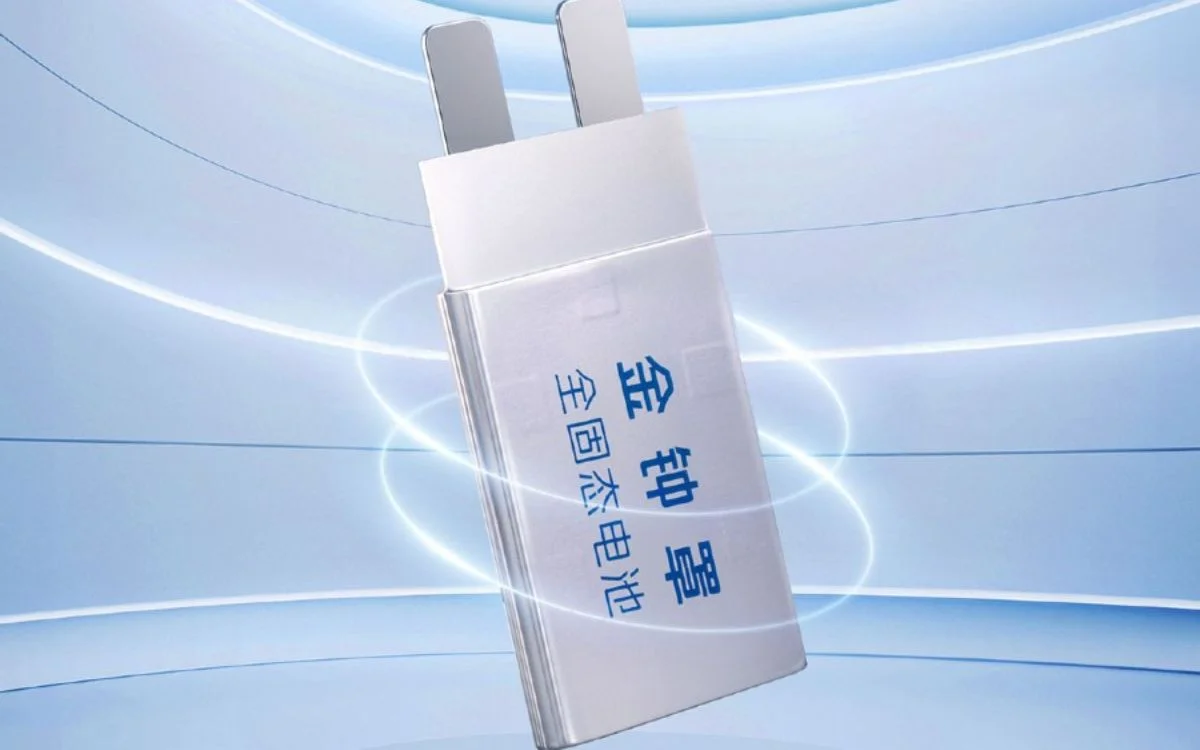
According to primary reporting from Electrek, next-generation solid-state electric vehicle batteries are officially rolling out of production lines in China. The commercialization of this holy grail technology is no longer a distant theoretical milestone discussed in academic journals. It is happening in real-time, boasting an astonishing headline-grabbing capability: a projected driving range approaching nearly 1,000 miles on a single charge.
As automotive markets grapple with shifting consumer demand and supply chain recalibrations, this breakthrough threatens to upend the global EV landscape, putting legacy automakers in the US, Europe, Japan, and South Korea on immediate high alert.
Deconstructing the Solid-State Revolution
To understand why this rollout is a watershed moment for the global economy, one must look at the fundamental chemistry that has held back traditional lithium-ion batteries. Standard EVs rely on liquid electrolytes to move lithium ions back and forth between the anode and cathode. While effective, these liquid systems are thermally volatile, prone to degradation, heavy, and physically limited in how much energy they can safely store within a given volume.
Solid-state batteries replace that flammable liquid with a solid electrolyte—typically made of ceramic, glass, or solid polymers. The engineering advantages are monumental:
- Unprecedented Energy Density: Solid-state cells can pack significantly more energy into a much smaller and lighter footprint, eliminating dead weight.
- Radically Enhanced Safety: By removing volatile liquid electrolytes, the risk of catastrophic thermal runaway and subsequent battery fires drops precipitously.
- All-Weather Resilience: Solid-state cells demonstrate superior performance stability in extreme sub-zero winter conditions that usually cripple conventional EV ranges.
- Lightning-Fast Replenishment: The atomic structure of solid electrolytes allows for significantly faster ion transfer, paving the way for ultra-fast charging capabilities.
By hitting the market with a targeted 1,000-mile range threshold, Chinese manufacturers are effectively neutralizing the primary argument ICE vehicle loyalists have used against electrification. A vehicle capable of traveling 1,000 miles means a driver could theoretically commute for weeks, or complete massive cross-country road trips, without ever plugging into a public charging infrastructure.
Market Dynamics and Geopolitical Shockwaves
The speed at which China has moved from laboratory breakthroughs to commercial factory floors has stunned international competitors. For years, Western and Japanese automotive giants—including Toyota, General Motors, and Volkswagen—have poured billions into solid-state research, frequently forecasting commercial viability toward the end of the decade in the 2030 timeframe.
By bringing these advanced power cells to market now, Chinese battery developers and EV makers are asserting dominance over the next epoch of clean transportation. This move is expected to trigger a fierce competitive response from Western regulators and industrial policy architects. Trade authorities in Washington and Brussels are already evaluating the implications of a widened technological gap in core green-tech infrastructure.
Furthermore, the cost curves associated with early-stage solid-state manufacturing are expected to drop rapidly as production scale increases. If domestic automakers in China can successfully scale this technology while maintaining cost parity, export markets globally will face intense pricing and performance pressure.
At a Glance: Traditional Lithium-Ion vs. New Solid-State Tech
| Metric | Traditional Lithium-Ion (Liquid) | Next-Gen Solid-State (China Rollout) |
|---|---|---|
| Average Real-World Range | 250 – 350 miles | Up to nearly 1,000 miles |
| Electrolyte Medium | Volatile organic liquids | Solid ceramic, glass, or polymer |
| Thermal Stability | Moderate (Risk of thermal runaway) | High (Significantly reduced fire risk) |
| Cold Weather Performance | Noticeable range degradation | Superior low-temperature retention |
The Road Ahead: What Investors and Consumers Need to Know
While the prospect of a 1,000-mile EV sounds like the ultimate finish line, industry analysts urge a balanced perspective regarding the immediate rollout. Early production runs will likely be allocated to premium vehicle tiers, luxury fleets, and specialized commercial applications where upfront material costs can be more easily absorbed.
Mass-market consumer adoption will hinge entirely on supply chain maturation, manufacturing yields, and the continued reduction of raw material expenses. Yet, the psychological psychological barrier has officially been breached. The transition from liquid to solid-state is no longer a matter of if, but how fast the rest of the world can catch up.
For drivers who have hesitated at the dealership, the message from the cutting edge of engineering is clear: the next generation of electric vehicles is arriving, and range anxiety is rapidly becoming a relic of the past.
Frequently Asked Questions
When will these solid-state batteries be available to everyday consumers outside of China?
While initial rollouts are currently concentrated in domestic Chinese production channels, global automakers and battery suppliers are aggressively racing to establish international supply chains. Consumer availability in North American and European markets is widely anticipated to accelerate toward the late 2020s as manufacturing scale increases and export pathways clear.
Do solid-state batteries require a completely new charging infrastructure?
No. Vehicles equipped with solid-state batteries are designed to utilize existing DC fast-charging networks and home charging stations. However, due to their advanced internal architecture, they are expected to accept significantly higher charging power thresholds safely, meaning future dedicated ultra-fast chargers will be able to replenish a 1,000-mile battery in a fraction of the time required today.