BEIJING & DETROIT — For more than a decade, the global transition to electric vehicles has been anchored to a persistent compromise: range anxiety. No matter how sleek the design or how fast the acceleration, the looming dread of a depleted battery far from the nearest charger has kept millions of internal combustion loyalists firmly on the sidelines. Today, that psychological barrier is facing its most formidable challenge yet.
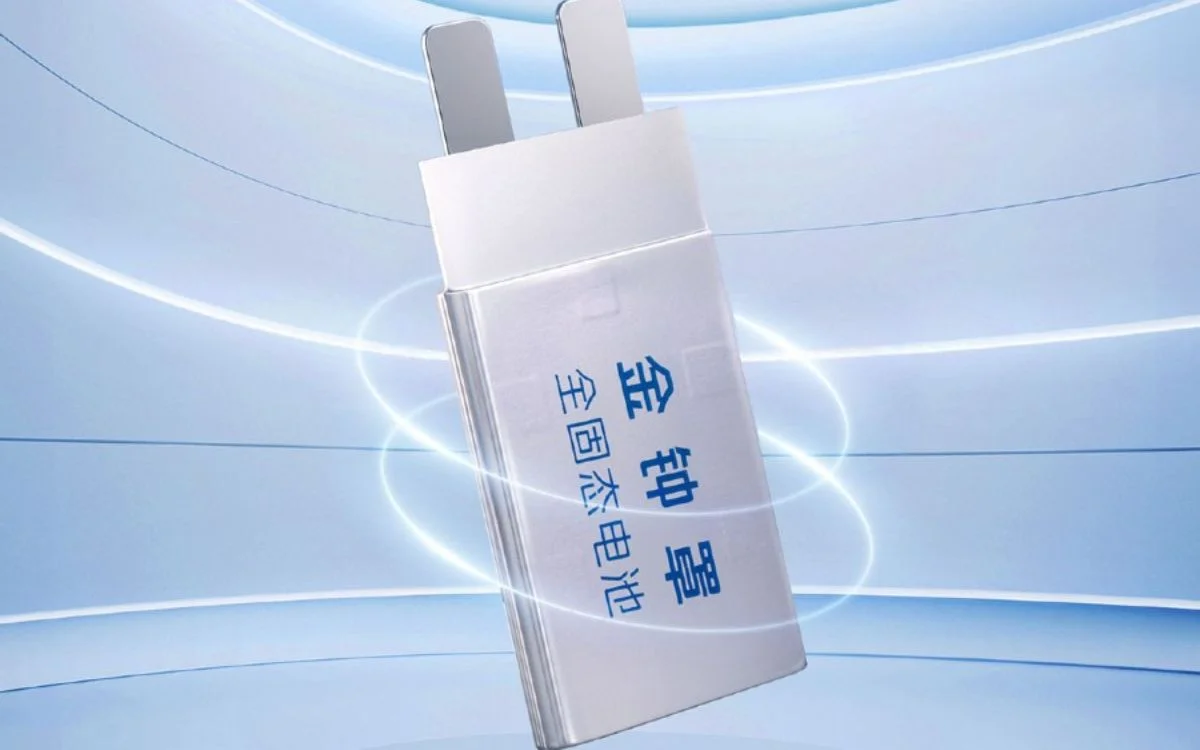
According to reports from leading industry monitors and primary wire sources like Electrek, commercial-grade solid-state EV batteries are officially rolling out across China. The technological leap forward promises what once seemed mathematically improbable for standard production vehicles: a staggering range approaching nearly 1,000 miles on a single charge.
As production lines in Asia hum to life, traditional Western automakers and legacy battery suppliers are scrambling to respond. The milestone marks a watershed moment in the energy transition, shifting solid-state technology from theoretical laboratory breakthroughs into the hands of everyday drivers.
Shattering the Range Barrier: What the New Tech Delivers
The core limitation of conventional lithium-ion batteries lies in their liquid electrolytes. While effective, liquid-based systems are heavy, prone to thermal runaway (fires), and limited in how much energy they can densely pack into a given volume. Solid-state batteries replace this liquid medium with a solid material—typically ceramic, glass, or solid polymers—allowing for a significantly denser, safer, and faster-charging architecture.
The newly deployed batteries in China are reporting energy densities that completely dwarf standard commercial cells currently found on American and European roads. By packing more energy into a lighter, more compact footprint, Chinese manufacturers are clearing the path for vehicles capable of traversing monumental distances without ever stopping to plug in.
- Unprecedented Range: Initial rollouts promise driving ranges nearing the 1,000-mile mark, effectively eliminating long-distance travel friction.
- Enhanced Safety Profiles: The elimination of flammable liquid electrolytes drastically reduces the risk of battery fires, mitigating a primary insurance and consumer concern.
- Accelerated Charging Times: Solid-state architecture inherently supports hyper-fast charging rates without suffering the severe degradation traditionally associated with rapid replenishment.
- Geopolitical Pressure: Western automakers now face an uphill battle to secure supply chains and match commercialization timelines, threatening global market share.
The Global Ripple Effect: Detroit and Brussels on High Alert
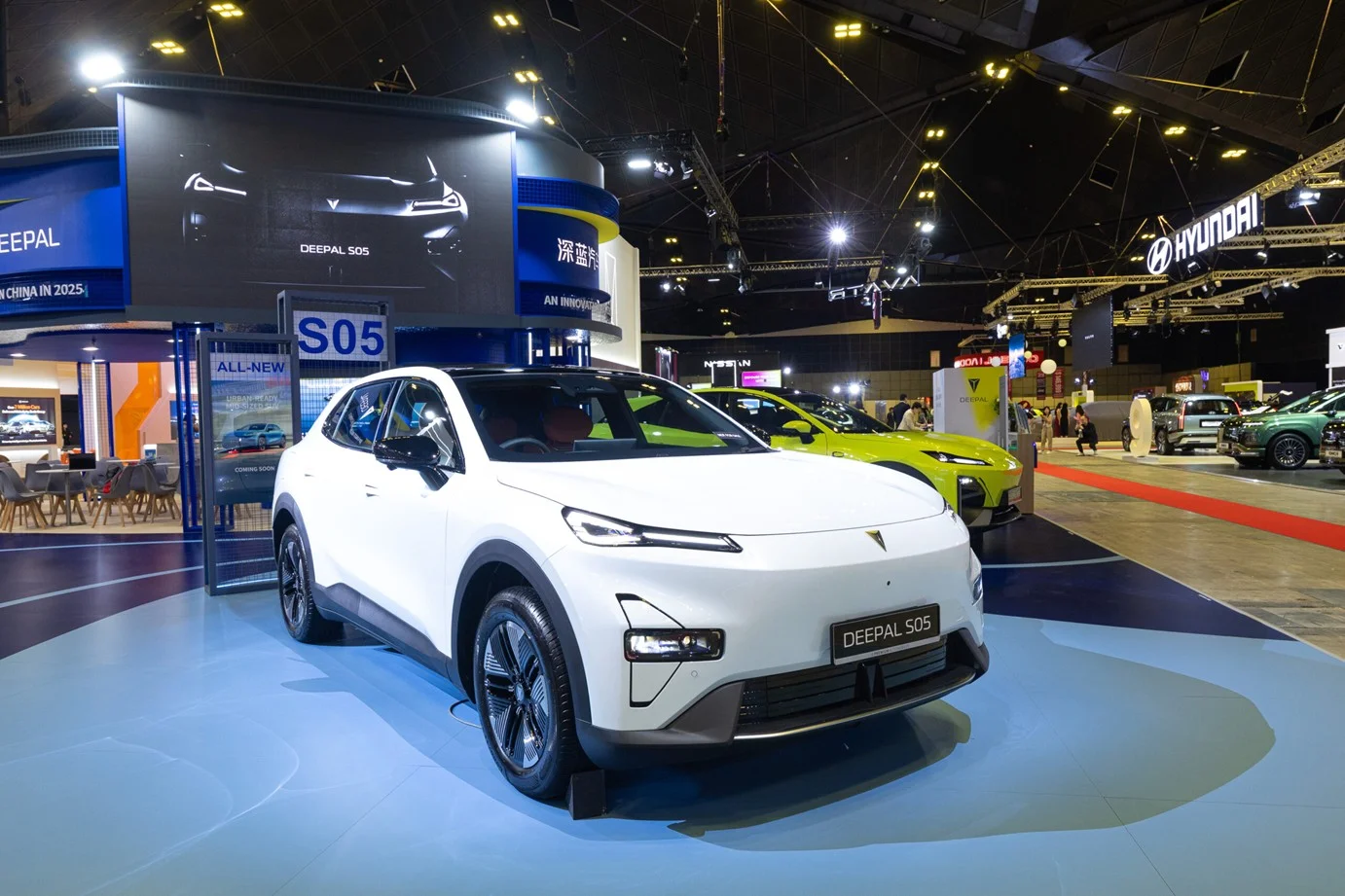
The commercialization of solid-state batteries in China is already reverberating through executive boardrooms in Detroit, Wolfsburg, and Tokyo. For years, Western legacy automakers have forecasted mass-market solid-state adoption closer to the end of the decade—roughly 2028 to 2030. By bringing the technology to market years ahead of consensus projections, Chinese manufacturers have fundamentally altered the competitive landscape.
Industry analysts point out that this is not merely a technological victory, but a profound economic and strategic shift. If Chinese original equipment manufacturers (OEMs) can successfully scale solid-state manufacturing while managing costs, they will hold an insurmountable advantage in both domestic and export markets.
Key Performance Comparison: Conventional vs. New Solid-State Tech
| Metric | Traditional Lithium-Ion (2024 Standard) | New Solid-State Rollout (China) |
|---|---|---|
| Average Range | 300 – 400 miles | Up to ~1,000 miles |
| Electrolyte Type | Volatile Liquid | Stable Solid (Ceramic/Polymer) |
| Fire Risk | Low to Moderate (Thermal Runaway Risk) | Near Zero |
| Commercial Status | Ubiquitous / Mass Market | Active Commercial Rollout |
Looking Ahead: The Road to Global Adoption
Despite the undeniable excitement surrounding the rollout, significant hurdles remain before these batteries become ubiquitous on global roadways. Manufacturing yield rates, high material costs, and the complex engineering required to mass-produce solid-state components without defects are formidable challenges. However, China’s aggressive state-backed industrial policy and willingness to absorb early production friction have historically allowed its domestic firms to scale emerging technologies faster than Western counterparts.
As these vehicles begin hitting public roads, consumer feedback and independent range verification will provide the ultimate stress test. If the numbers hold up in real-world conditions, the global automotive industry will have no choice but to accelerate its own timelines—or risk being left entirely in the dust.
Frequently Asked Questions
1. When will these 1,000-mile solid-state batteries be available globally?
While commercial rollout is currently underway in China, global availability will depend heavily on export regulations, local manufacturing setups, and supply chain expansion. Most international automakers are aiming for late-decade deployment, though competitive pressures may force them to import or partner with Chinese cell makers sooner.
2. Are solid-state batteries completely immune to degradation?
No battery is entirely immune to degradation over time, but solid-state architectures degrade at a significantly slower rate than conventional lithium-ion cells. The stable solid structure prevents the formation of dendrites—microscopic needle-like structures that typically cause short circuits and capacity loss in standard batteries.