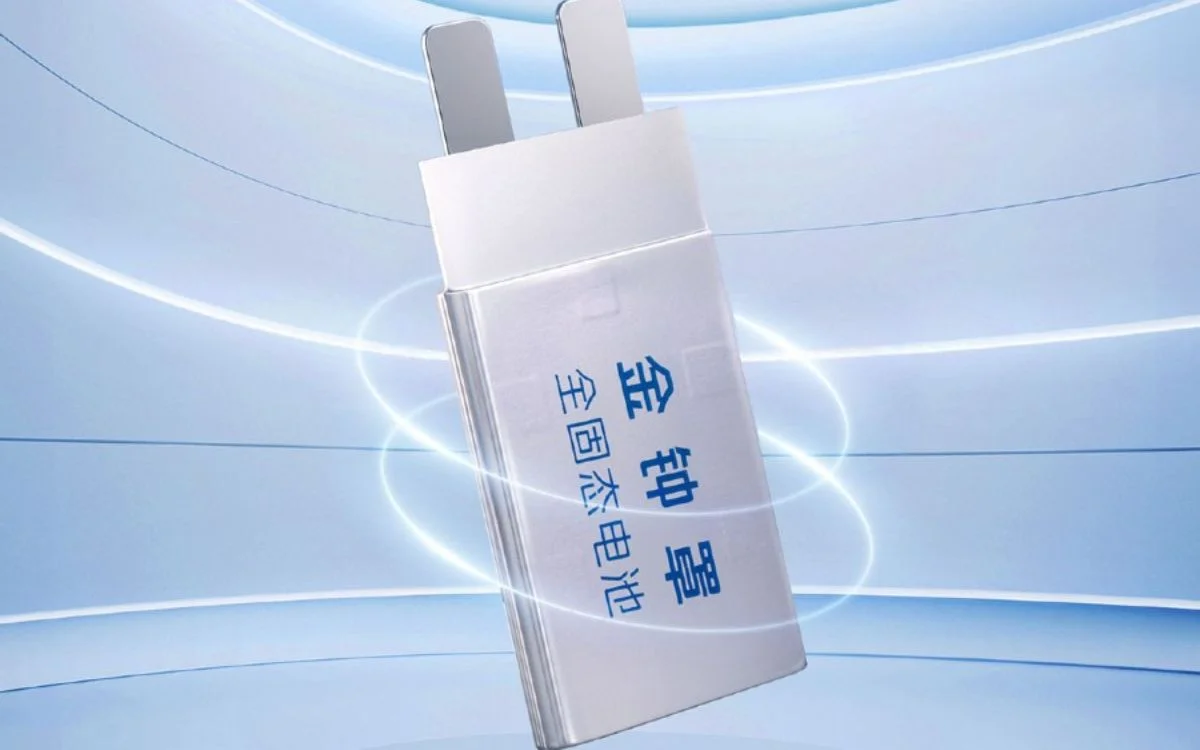
BEIJING — The global automotive industry has reached its "iPhone moment." In a shift that reshapes the geopolitical and technological landscape, next-generation solid-state and semi-solid-state electric vehicle (EV) batteries are officially moving from the laboratory to the assembly line in China. Promising driving ranges of nearly 1,000 miles (approximately 1,600 kilometers) on a single charge, this commercial rollout effectively neutralizes the last major consumer hurdle to EV adoption: range anxiety.
For years, Western and Japanese automakers treated solid-state batteries as a holy grail slated for the end of the decade. However, a coordinated push by Chinese battery giants, state-backed research initiatives, and domestic EV manufacturers has pulled that timeline forward. The consequences for legacy automakers in Detroit, Munich, and Tokyo are immediate and disruptive.
---The Dawn of the 1,000-Mile Range
At the center of this technological leap is the transition from liquid electrolytes to solid or semi-solid-state chemistry. Traditional lithium-ion batteries rely on a liquid medium to move ions between the anode and cathode. This liquid is not only heavy and highly flammable but also limits the energy density of the battery pack. Solid-state packs replace this liquid with solid ceramics, polymers, or glass, vastly increasing safety, reducing charge times, and packing far more energy into the same physical footprint.
Several Chinese pioneers are already deploying these ultra-high-density batteries in production-ready vehicles:
- Nio’s 150 kWh Semi-Solid Battery: Nio has successfully commercialized a semi-solid-state pack developed in partnership with Beijing WeLion New Energy Technology. In real-world highway tests, vehicles equipped with this pack achieved over 650 miles of continuous driving, with simulated urban driving pushing close to the 1,000-mile mark. Nio’s unique battery-swapping infrastructure allows drivers to rent these high-capacity packs specifically for long-distance road trips.
- SAIC’s IM Motors "Lightyear" Battery: Under SAIC Motor, premium brand IM Motors has begun deliveries of its L6 sedan, featuring a proprietary solid-state battery. The sedan boasts an energy density exceeding 450 Wh/kg and offers a fast-charging capability that adds 250 miles of range in just 12 minutes.
- CATL and BYD’s Rapid Iteration: CATL, the world’s largest battery maker, has accelerated the deployment of its "condensed" battery tech, while BYD is quietly preparing its own solid-state platform designed to undercut Western competitors on price.
How Battery Generations Compare
To understand the scale of this disruption, it is essential to look at the performance metrics that separate legacy battery systems from the new solid-state architectures rolling out today.
| Battery Technology | Average Energy Density | Real-World Range (Miles) | Thermal Runaway Risk | Primary Market Status (2026) |
|---|---|---|---|---|
| Traditional Liquid Li-Ion | 240 – 280 Wh/kg | 250 – 350 miles | Moderate to High | Mass Market Standard |
| Semi-Solid-State | 350 – 400 Wh/kg | 500 – 650 miles | Very Low | Commercialized (China Premium) |
| True Solid-State | 450 – 500+ Wh/kg | 800 – 1,000 miles | Virtually Non-Existent | Early Rollout / Scaled Production |
The Geopolitical and Economic Fallout
China's rapid commercialization of solid-state technology presents a major strategic challenge for Western automakers. For over a decade, companies like Toyota, Volkswagen, and Ford pinned their long-term strategies on leapfrogging China's dominance in liquid lithium-ion chemistry by being the first to scale solid-state systems. Toyota, which holds more than 1,000 solid-state battery patents, has repeatedly pushed its volume production timeline back, with a target now set for late 2027 or 2028.
By bringing these batteries to market years ahead of their rivals, Chinese manufacturers are reinforcing their hold on the global automotive supply chain. Even with heavy protectionist measures, such as the U.S. Inflation Reduction Act (IRA) and European Union tariffs on Chinese EVs, Western automakers face a difficult dilemma: buy advanced Chinese battery packs to stay competitive, or build inferior, shorter-range vehicles locally.
"The competitive gap is no longer about manufacturing scale; it is now about technological divergence. If Western OEMs cannot offer comparable ranges within the next 36 months, they risk being relegated to secondary players in their own domestic markets."---
— Senior Automotive Analyst, East Asia Transport Practice
Overcoming the Cost and Scaling Hurdles
Despite the optimism, the path to global dominance is not without obstacles. The primary barrier to the widespread adoption of solid-state batteries is cost. Manufacturing these cells requires specialized, clean-room environments with precise pressure and humidity controls, alongside expensive raw materials like high-purity lithium metal and solid sulfide electrolytes.
Currently, a semi-solid-state pack can cost nearly as much as an entire entry-level EV. To bypass this, Chinese companies are relying on innovative business models. Nio’s "Battery-as-a-Service" (BaaS) allows customers to buy the vehicle without the battery, lowering the entry cost and renting the 1,000-mile solid-state pack only when needed. Meanwhile, the Chinese government is funding massive public-private consortiums to develop cheaper synthetic materials, aiming to slash production costs by 40% by 2028.
---The Road Ahead
The transition to solid-state batteries represents a major milestone in global transport. As production lines in Ningbo, Shenzhen, and Shanghai scale up, the cost of these ultra-long-range batteries is expected to fall quickly. For consumers, the promise of a 1,000-mile EV that charges in minutes and operates safely under extreme temperatures is no longer a distant prospect—it is a reality currently hitting the pavement.
---Frequently Asked Questions (FAQ)
When will 1,000-mile solid-state EVs be available in the US and Europe?
While the vehicles are currently launching in China, import tariffs, regulatory hurdles, and supply chain localization requirements mean Western markets will likely not see widespread availability of these specific models until late 2027 or 2028. However, expect premium imports and joint-venture vehicles to pilot this technology sooner.
Are solid-state batteries safer than current EV batteries?
Yes, significantly. By replacing the highly flammable liquid organic electrolyte found in traditional lithium-ion batteries with a solid, non-flammable material, solid-state batteries virtually eliminate the risk of thermal runaway and battery fires, even when punctured or subjected to extreme heat.