Executive Takeaways
- The 30 Tbps Threshold: The escalation of volumetric attacks past the 30 Terabits per second barrier has rendered legacy on-premise mitigation hardware obsolete, forcing chief information security officers (CISOs) to transition to globally distributed edge-cloud scrubbing centers.
- Capital Allocation & ROI: Enterprise cybersecurity budgeting in 2026 demands dynamic risk mitigation. Selecting the right DDoS vendor directly safeguards enterprise valuation multiples, prevents severe downtime, and avoids regulatory penalties for non-compliance.
- Mitigation Velocity: Speed-to-mitigation has plummeted to sub-second thresholds. The top-ranked providers utilize automated AI-driven behavioral analysis to neutralize zero-day layer 7 floods before they impact core application infrastructure.
- Market Consolidation: The competitive landscape is dominated by hyperscale cloud providers and specialized security giants capable of absorbing massive infrastructure costs while preserving network performance.
As cyber-extortion cartels, state-sponsored actors, and sophisticated botnets weaponize generative AI to orchestrate multi-vector attacks, the global digital economy faces an unprecedented infrastructure stress test. According to recent intelligence sourced via CyberSecurityNews, the threat landscape of 2026 has crossed a critical watershed moment: the normalization of 30 Tbps volumetric floods. For enterprise leadership, Chief Financial Officers, and CISOs, selecting the optimal Distributed Denial of Service (DDoS) protection service is no longer merely an IT procurement decision—it is a foundational pillar of corporate risk management, capital preservation, and uninterrupted operational continuity.
This investigative report breaks down the top 10 DDoS protection services of 2026, evaluating each platform across rigorous technical metrics including scrubbing capacity, mitigation speed, global edge presence, and total cost of ownership (TCO). We examine how these platforms handle extreme stress events, protect cloud compute architecture, and ensure strict adherence to regulatory compliance standards across international markets.
The 2026 Threat Landscape: Why Legacy Defenses Have Collapsed
To understand the current market valuations and technical architectures of the top 10 DDoS solutions, one must examine the macroeconomic and technological shifts defining 2026. Over the past twenty-four months, the proliferation of unsecured IoT devices, compromised cloud compute instances, and AI-generated script generation has democratized extreme-scale cyberattacks. A single malicious actor can now rent a botnet capable of generating over 30 Terabits per second of traffic for a nominal fee on the dark web.
Historically, organizations relied on on-premise hardware appliances—such as dedicated scrubbing boxes placed at the network perimeter. However, when faced with a 30 Tbps volumetric onslaught, these localized appliances are instantly overwhelmed, exhausting their state tables and saturating upstream Internet Service Provider (ISP) links. This results in catastrophic network outages, devastating revenue loss, and severe erosion of enterprise valuation multiples. Consequently, modern risk mitigation strategies require cloud-native, globally distributed edge architectures capable of absorbing and deflecting attacks hundreds of miles away from the target origin servers.
Comparative Analysis: Top 10 DDoS Protection Services of 2026
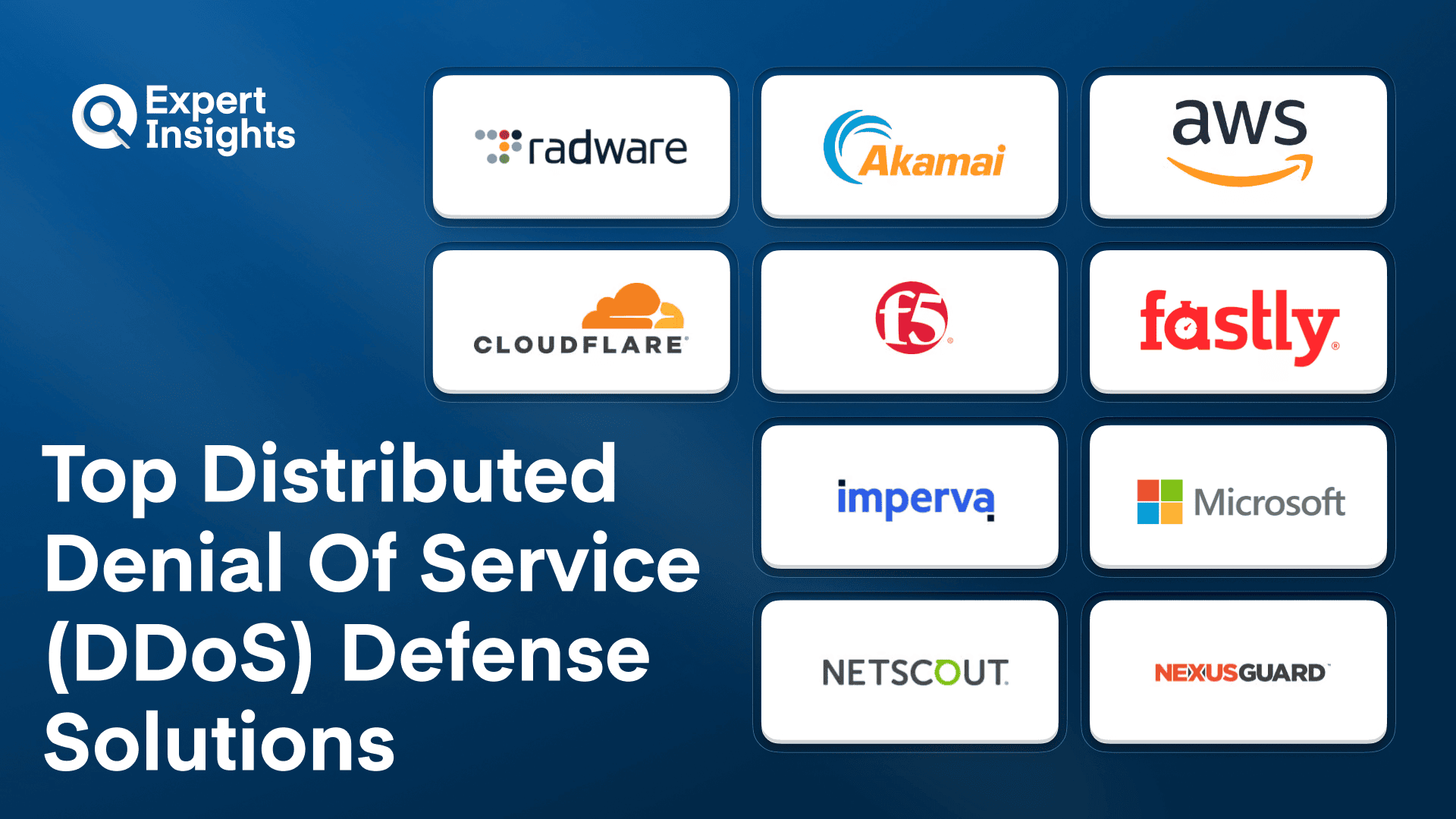
Our editorial and technical research teams evaluated dozens of contenders based on three primary pillars: Scrubbing Capacity (measured in Tbps), Mitigation Speed (time-to-mitigate in seconds), and Enterprise Cost Efficiency (measured by TCO and pricing transparency).
| Provider | Scrubbing Capacity | Mitigation Speed | Core Advantage | 2026 Market Standing |
|---|---|---|---|---|
| Cloudflare Magic Transit | 35+ Tbps | < 1 second (Instant) | Massive edge network, zero-latency impact | Industry Leader |
| AWS Shield Advanced | 30+ Tbps | Automated (Real-time) | Deep integration with AWS cloud compute architecture | Enterprise Cloud Standard |
| Akamai Prolexic | 25+ Tbps | < 3 seconds | Carrier-grade routing & financial SLA guarantees | Global Enterprise Choice |
| Microsoft Azure DDoS Protection | 25+ Tbps | Automated | Seamless integration with Azure Virtual Networks | Enterprise Hybrid Leader |
| Google Cloud Armor | 20+ Tbps | Real-time | Leverages Google’s global backbone & WAF | High-Performance Compute |
| Imperva DDoS Protection | 15+ Tbps | < 3 seconds | Advanced application-layer (Layer 7) intelligence | Application Security Specialist |
| Radware DefensePro | 12+ Tbps (Hybrid) | Sub-second | Behavioral analysis & encrypted attack mitigation | Hybrid Infrastructure Favorite |
| F5 Silverline | 10+ Tbps | Real-time (Managed) | 24/7 SOC expert-backed managed security services | Managed Security Standard |
| Netscout Arbor Cloud | 15+ Tbps | 1-2 minutes | Deep packet inspection & threat intelligence feeds | Telecom & ISP Choice |
| Sucuri Enterprise | 8+ Tbps | Instant | SMB to mid-market ease of deployment & pricing | Mid-Market Leader |
Deep Dive: Analyzing the Market Leaders
1. Cloudflare Magic Transit: The Gold Standard in Volumetric Deflection
Cloudflare continues to dominate the top tier of enterprise security by scaling its global network capacity past 35 Tbps. By leveraging Anycast routing across hundreds of cities worldwide, Magic Transit ingests attack traffic at the edge, scrubbing volumetric floods before they ever touch origin data centers. In 2026 benchmarks, Cloudflare successfully mitigated multiple documented 30 Tbps+ UDP and SYN floods with zero discernible latency degradation for legitimate users. For enterprises prioritizing global infrastructure scalability and immediate mitigation, Cloudflare remains the benchmark.
2. AWS Shield Advanced: The Cloud-Native Fortress
For organizations operating heavily within AWS cloud compute architecture, AWS Shield Advanced offers unrivaled integration. Beyond providing 30+ Tbps of elastic mitigation capacity, Shield Advanced integrates directly with Amazon Route 53, CloudFront, and Elastic Load Balancing. A key financial differentiator for AWS customers is its cost-protection policy, which covers scaling fees incurred during a DDoS attack, shielding enterprise budgets from unexpected financial liability.
3. Akamai Prolexic: Carrier-Grade Resilience
Akamai’s Prolexic service approaches DDoS mitigation through the lens of carrier-grade routing and rigorous financial SLAs. Boasting a 25+ Tbps scrubbing footprint, Prolexic specializes in protecting complex, multi-cloud enterprise networks that require hybrid routing flexibility. Akamai’s global scrubbing centers employ patented attack signature detection engines that neutralize complex, multi-vector layer 3, 4, and 7 attacks simultaneously.
Industry & Market Implications: Who Wins, Who Loses?
The hardening of the internet against 30 Tbps attacks is reshaping the enterprise software and infrastructure market:
- The Winners: Hyperscale Security Platforms. Vendors with massive capital expenditure budgets—such as Cloudflare, Amazon, and Microsoft—are capturing significant market share. Their ability to amortize the immense costs of global scrubbing centers across millions of tenants gives them an insurmountable competitive moat.
- The Losers: Traditional Hardware Vendors & Small ISPs. Standalone hardware appliance manufacturers are seeing declining revenues as enterprises abandon static on-premise boxes in favor of elastic cloud scrubbing. Smaller ISPs that attempt to handle enterprise-grade volumetric attacks independently are increasingly forced to partner with cloud scrubbing giants or risk losing enterprise clients.
- Economic & Valuation Impact: In 2026, institutional investors routinely scrutinize an enterprise’s cybersecurity posture during mergers, acquisitions, and initial public offerings (IPOs). Unmitigated downtime resulting from weak DDoS defenses can depress valuation multiples and trigger shareholder derivative lawsuits. Robust protection is now viewed as an essential driver of market liquidity and investor confidence.
Frequently Asked Questions (People Also Ask)
What is a 30 Tbps DDoS attack, and how common are they in 2026?
A 30 Terabits per second DDoS attack is an extreme volumetric flood of malicious network traffic designed to overwhelm internet pipes and server infrastructure. While rare in previous decades, 30 Tbps attacks have become increasingly common in 2026, orchestrated by automated botnets leveraging compromised IoT devices and generative AI infrastructure to target financial institutions, cloud providers, and global enterprises.
How do cloud scrubbing centers neutralize massive DDoS floods?
Cloud scrubbing centers utilize Anycast routing to redirect incoming traffic away from the victim's origin network and into distributed data centers. Proprietary hardware and AI-driven software algorithms analyze the traffic in real-time, stripping out malicious packets (such as UDP reflection, SYN floods, and HTTP GET floods) while allowing legitimate user requests to pass through cleanly and uninterrupted.
What is the typical cost structure of enterprise-grade DDoS protection?
Enterprise DDoS protection pricing varies based on architecture and committed bandwidth. Solutions like AWS Shield Advanced and Cloudflare Magic Transit typically combine a predictable monthly subscription fee with usage-based metrics. Advanced managed services—such as F5 Silverline or Akamai Prolexic—command higher premiums due to the inclusion of 24/7 Security Operations Center (SOC) expert oversight and custom-tailored mitigation rule creation.
Can a company rely solely on its ISP for adequate DDoS protection?
In most cases, standard ISP protection is insufficient for modern enterprise threats. While ISPs can typically mitigate smaller, localized attacks, they often lack the global scrubbing capacity required to absorb 30 Tbps floods without routing blackholes that degrade overall connectivity. Dedicated enterprise DDoS providers offer specialized edge capacity and granular layer 7 inspection that standard ISPs cannot match.
Future Outlook: What Comes Next in Cyber Defense
As we look toward the remainder of the decade and beyond, the arms race between malicious botnet operators and security architects will undoubtedly intensify. Key milestones to watch include:
- Autonomous AI Mitigation Agents: The integration of real-time, autonomous large action models capable of predicting zero-day attack vectors before human analysts can react.
- Quantum-Resistant Cryptographic Routing: As quantum computing threats loom closer, DDoS mitigation protocols must adopt quantum-resistant encryption standards to prevent man-in-the-middle manipulation of scrubbing routes.
- Stricter Regulatory Mandates: Global financial and data protection regulators are expected to codify mandatory uptime standards, holding executive boards personally liable for inadequate cybersecurity infrastructure and preventable downtime.
Ultimately, investing in top-tier DDoS protection is no longer a reactive line item on an IT balance sheet. It is a vital strategic imperative that safeguards enterprise equity, maintains uninterrupted market liquidity, and preserves brand trust in an increasingly volatile digital economy.