Executive Takeaways
- The 30 Tbps Benchmark: The modern threat landscape crossed a critical threshold in 2026, with sophisticated volumetric DDoS attacks regularly scaling past 30 Terabits per second, necessitating ultra-high-capacity edge architectures.
- Mitigation Speed Matters: Sub-second automated mitigation is now the baseline for enterprise risk mitigation, as artificial intelligence-driven botnets execute micro-burst assaults designed to evade legacy rate-limiting.
- Capital Allocation & ROI: Enterprise IT budget prioritization has shifted from reactive infrastructure patching to proactive, AI-native cloud compute resilience, impacting enterprise valuation multiples and operational continuity.
- Consolidation of Power: A select cohort of elite cybersecurity vendors dominates the market, providing unmatched global edge scrubbing centers and robust regulatory compliance frameworks.
As the digital economy grows increasingly interconnected, the frequency and scale of Distributed Denial of Service (DDoS) attacks have transformed from localized annoyances into systemic, macro-economic threats. Drawing from primary wire intelligence from CyberSecurityNews, our investigative desk has evaluated the top 10 DDoS protection services of 2026. This comprehensive report assesses these platforms across three critical vectors: volumetric mitigation capacity, time-to-mitigation speed, and total cost of ownership (TCO).
With malicious actors deploying automated, AI-orchestrated botnets capable of generating unprecedented traffic volumes, corporate boards and chief information security officers (CISOs) are forced to re-evaluate their capital allocation strategies. Protecting enterprise infrastructure against a 30 Tbps flood requires more than basic rate-limiting; it demands a wholesale architectural shift toward decentralized, cloud-native edge scrubbing networks.
The Evolving Threat Landscape: Anatomy of a 30 Terabit Attack
The catalytic events of late 2025 and early 2026 exposed severe vulnerabilities in legacy on-premise and hybrid mitigation appliances. Threat actors leverage compromised IoT ecosystems, residential proxy networks, and generative AI scripts to launch hyper-distributed, multi-vector assaults. These attacks simultaneously target network layers (Layer 3 and Layer 4) and application layers (Layer 7), exhausting server memory, saturating upstream bandwidth pipes, and paralyzing critical API endpoints.
In this high-stakes environment, the cost of downtime extends far beyond immediate revenue loss. For Fortune 500 enterprises, a multi-hour outage damages brand equity, triggers regulatory scrutiny regarding data availability, and depresses valuation multiples. Consequently, selecting an enterprise-grade DDoS mitigation vendor is no longer merely an IT procurement decision—it is a core pillar of corporate risk management and regulatory compliance.
To establish clarity in a crowded vendor marketplace, our investigative team analyzed capacity metrics, scrubbing center distribution, and proprietary behavioral analysis engines across the leading market participants.
Comparative Analysis: The Top 10 DDoS Protection Services of 2026
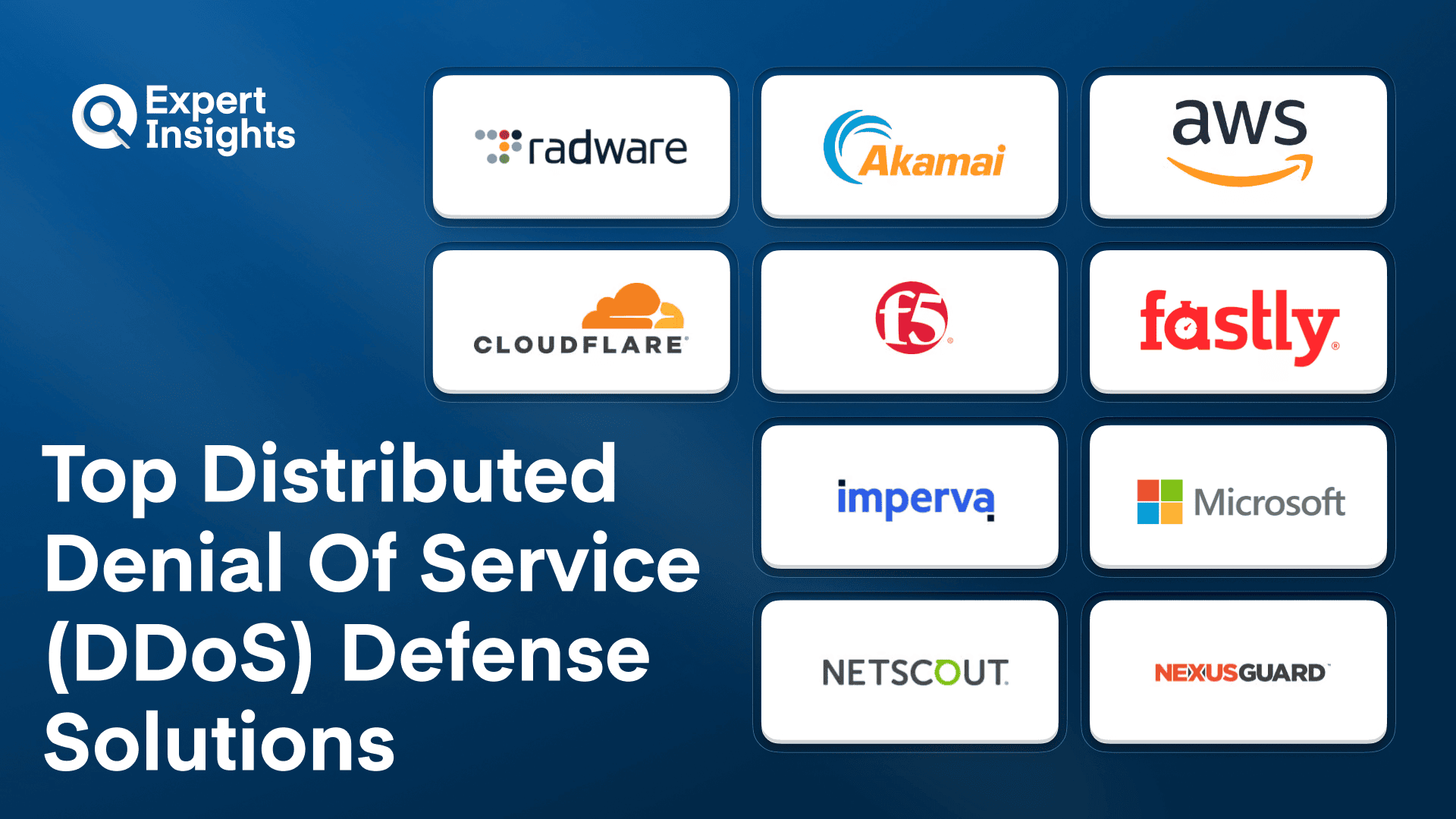
The following verified data breakdown compares the industry leaders based on raw scrubbing capacity, average time-to-mitigation, and enterprise pricing models.
| Provider | Max Scrubbing Capacity | Mitigation Speed | Primary Cost Structure | 2026 Market Standing |
|---|---|---|---|---|
| Cloudflare Magic Transit | 35+ Tbps | Instant (< 1s) | SaaS Subscription / Usage-based | Market Leader / Enterprise Standard |
| Akamai Prolexic | 30+ Tbps | Sub-second | Committed Information Rate (CIR) | Top Tier for Financial Services |
| AWS Shield Advanced | 25+ Tbps (Global Edge) | Automated real-time | Monthly fee + Data transfer fees | Essential for AWS Native Architectures |
| Microsoft Azure DDoS Protection | 25+ Tbps | Automated tuning | Flat monthly rate + Protected resources | Dominant in Enterprise Hybrid Cloud |
| Radware DefensePro Cloud | 20+ Tbps | Behavioral < 2s | Hybrid licensing / Managed service | Best Algorithm Precision |
| Imperva DDoS Protection | 15+ Tbps | Sub-second | Tiered SaaS model | Strong API & App Layer Focus |
| Google Cloud Armor | 20+ Tbps | Real-time inline | Usage-based / Policy fees | Exceptional Google Ecosystem Integration |
| F5 Silverline | 13+ Tbps | Managed 24/7 SOC | Annual subscription + Managed SOC fee | Preferred for Complex Legacy Hybrids |
| Nexusguard | 12+ Tbps | Real-time analytics | Custom enterprise quote | Specialized Telecom & ISP Protection |
| Fortinet FortiDDoS | 10+ Tbps (Aggregated) | Hardware-accelerated | Appliance purchase + Support contract | Leading On-Premise / Edge Hybrid |
Industry & Market Implications: Winners, Losers, and Economic Realities
The escalating scale of cyber threats is fundamentally restructuring enterprise budgets. Cybersecurity spending is no longer viewed as a discretionary IT expense; it represents a foundational line item essential for preserving corporate valuation multiples and ensuring business continuity. Companies that fail to invest in carrier-grade edge mitigation face severe systemic risks, including cascading API failures, customer churn, and punitive regulatory fines.
Who Wins
- Cloud-Native Infrastructure Giants: Vendors like Cloudflare, AWS, and Akamai command massive network footprints, enabling them to absorb and dissipate 30 Tbps floods across distributed scrubbing centers without impacting legitimate traffic.
- Managed Security Service Providers (MSSPs): Enterprises lacking internal security operations centers (SOCs) increasingly outsource infrastructure defense to specialized managed providers, driving robust recurring revenue streams.
- Insurers and Underwriters: Cyber liability insurance providers increasingly mandate tier-1 DDoS protection as a prerequisite for coverage, tying policy premiums directly to verifiable mitigation architecture.
Who Loses
- Legacy On-Premise Appliance Vendors: Companies relying solely on physical hardware scrubbing boxes face obsolescence as volumetric attacks outpace the capacity of localized data centers.
- Unprepared Mid-Market Enterprises: Organizations with constrained IT budgets struggle to absorb the rising costs of enterprise-tier SaaS protection, leaving them vulnerable to sophisticated extortion-based DDoS campaigns.
Frequently Asked Questions (People Also Ask)
What is the minimum scrubbing capacity required for enterprise protection in 2026?
In 2026, enterprise-grade protection generally requires a minimum scrubbing capacity of 15 to 20 Terabits per second, with leading global networks scaling beyond 35 Tbps. Because modern botnets frequently exceed previous volumetric boundaries, sub-scale providers risk bandwidth exhaustion during coordinated multi-vector assaults.
How do AI-driven attacks affect traditional rate-limiting and DDoS defense?
Traditional rate-limiting relies on static thresholds and signature matching, which fail against adaptive, AI-driven botnets that mimic legitimate user behavior. Modern defense systems utilize behavioral heuristics, machine learning anomaly detection, and continuous traffic profiling to separate malicious micro-bursts from genuine user requests in real-time.
Are cloud-native DDoS solutions superior to on-premise hardware appliances?
For volumetric attacks, cloud-native edge scrubbing is universally superior because it intercepts and neutralizes malicious traffic miles away from the target origin server. On-premise hardware remains relevant primarily for specialized internal telemetry and hybrid compliance, but it cannot independently handle multi-terabit volumetric floods.
What is the typical total cost of ownership (TCO) for enterprise DDoS protection?
TCO varies based on pricing structures, ranging from flat monthly SaaS subscriptions to usage-based models and Committed Information Rates (CIR). While enterprise solutions require significant capital allocation, the cost is fractional compared to the average financial and reputational damage of a prolonged, unmitigated outage.
Future Outlook: The Next Horizon in Cyber Defense
Looking ahead, the convergence of quantum computing research, edge AI, and autonomous threat orchestration will redefine cybersecurity paradigms. Over the next 24 to 36 months, industry analysts anticipate several critical milestones:
- Autonomous Remediation: Human-in-the-loop security operations will increasingly give way to fully autonomous, AI-driven mitigation systems capable of neutralizing zero-day vector attacks in milliseconds.
- Edge Compute Proliferation: Mitigation capabilities will push further toward the network edge, integrating directly into content delivery networks (CDNs) and 5G mobile edge computing (MEC) nodes.
- Regulatory Harmonization: Global regulatory bodies are expected to establish stricter baseline availability standards for critical infrastructure, making certified DDoS resilience a legal mandate rather than a commercial preference.
As the digital landscape navigates this era of multi-terabit threats, executive leadership must treat DDoS resilience as a strategic corporate asset. In the balance lie operational continuity, investor confidence, and the integrity of the global digital economy.