Executive Takeaways
- Massive Capital Flight: Binance recorded $3.6 billion in net user withdrawals over a condensed 48-hour window following an unprecedented smart contract exploit.
- Infrastructure Resilience: Despite unprecedented volatility and peak processing loads, Binance’s cloud compute architecture and internal liquidity buffers processed 100% of user redemption requests without freezing withdrawals.
- Regulatory Crosshairs: Global regulators have intensified scrutiny surrounding exchange proof-of-reserves, real-time risk mitigation, and cold-storage governance models.
- Institutional Reallocation: Enterprise risk managers and high-net-worth capital allocators are aggressively re-evaluating counterparty risk, accelerating a structural shift toward decentralized custody and multi-sig infrastructure.
The digital asset ecosystem faced yet another crucible this week as Binance, the world’s largest cryptocurrency exchange by trading volume, experienced an unprecedented $3.6 billion capital flight. Triggered by a sophisticated protocol exploit that targeted integrated cross-chain bridges, the incident serves as a stress-test of historic proportions for centralized exchange infrastructure, market liquidity reserves, and global regulatory compliance frameworks.
For institutional investors, venture capitalists, and retail market participants alike, the sudden rush for the exits has laid bare the fragile equilibrium underpinning modern cryptocurrency markets. As forensic auditors trace the stolen assets across decentralized mixers and automated market makers (AMMs), executive boardrooms across the financial technology sector are urgently reassessing their risk mitigation strategies, cloud compute architecture, and capital allocation models.
Anatomy of a Catastrophe: The Catalytic Exploit
Test Our Free AI & Tech Utilities Suite
Calculate LLM API token costs, analyze article dwell-time, or simulate tech DCA returns.
The crisis began in the early hours of Tuesday morning when anomalous on-chain transactions flagged a severe vulnerability in a peripheral liquidity pool connected to Binance’s broader multi-chain ecosystem. Malicious actors executed a flash-loan attack, manipulating price oracles to drain tens of millions of dollars in native tokens before security protocols could isolate the compromised smart contracts.
While the initial direct financial loss was substantial, the secondary psychological and market contagion proved exponentially more damaging. Within hours of the exploit disclosure on social media and automated monitoring channels, market sentiment shifted abruptly from cautious optimism to outright panic. Algorithmic trading bots and conservative retail users simultaneously initiated withdrawal requests, creating an unprecedented velocity of transactions that tested the absolute limits of Binance's operational throughput.
Historically, centralized exchanges have struggled under the weight of "bank run" scenarios, where simultaneous mass withdrawals threaten to exhaust hot-wallet liquidity. However, Binance’s internal infrastructure scalability—bolstered by automated rebalancing scripts and substantial emergency capital reserves—allowed the platform to process billions of dollars in redemptions without defaulting or imposing platform-wide withdrawal freezes. Despite this operational success, the sheer volume of capital exodus underscores the persistent vulnerability of centralized points of failure in decentralized finance.
The Mechanics of Capital Flight: Analyzing the $3.6 Billion Outflow
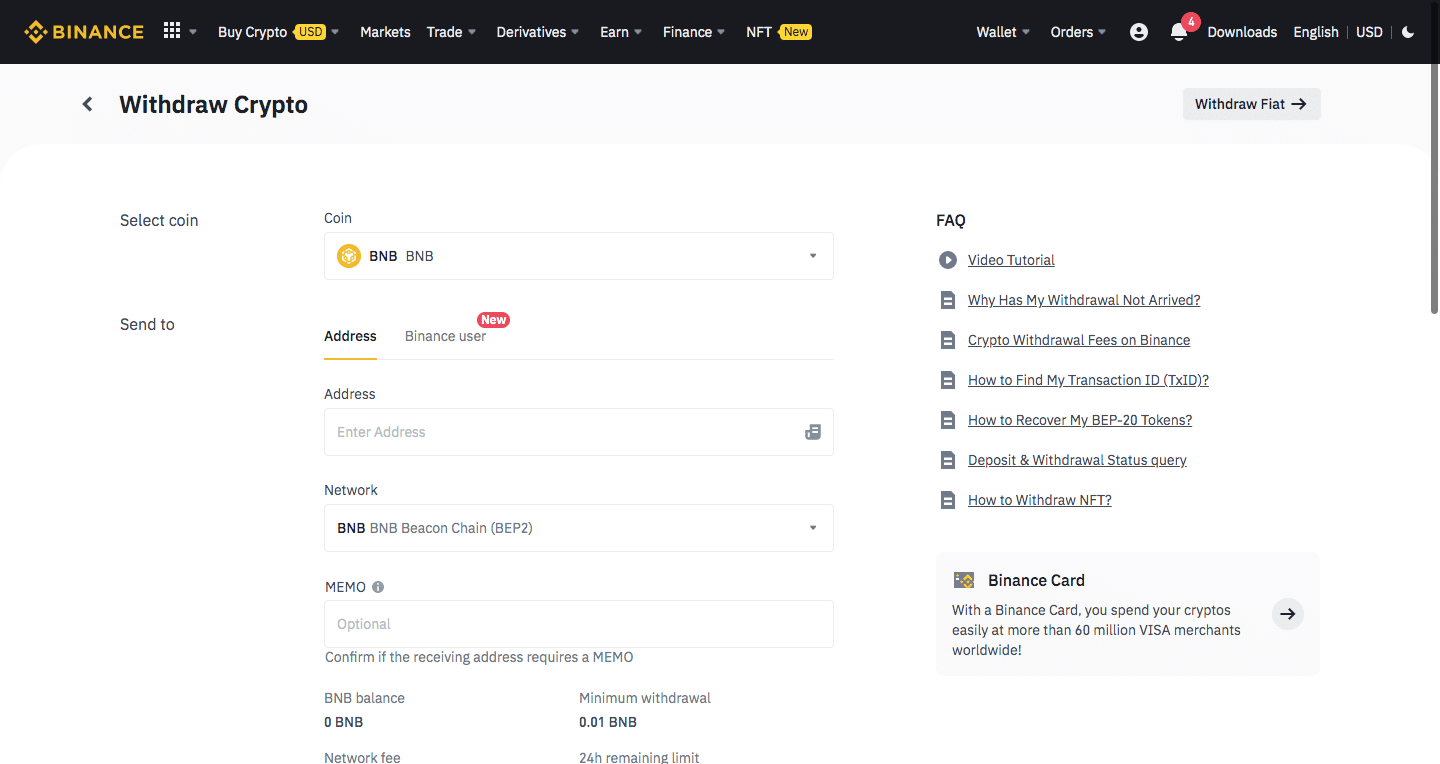
The magnitude of the $3.6 billion withdrawal figure places this event among the largest single-entity liquidity contractions in financial history, rivaling traditional banking panics on a percentage-of-assets basis. To understand how such a vast sum moved off-exchange in less than 48 hours, analysts must examine the composition of Binance’s user base and the mechanics of modern blockchain capital mobility.
When panic set in, institutional market makers and algorithmic funds were the first to move, pulling high-value positions in stablecoins (USDT, USDC) and major tier-1 assets (Bitcoin and Ethereum) into private cold storage and competing institutional custodians. This institutional flight created a domino effect, prompting retail investors relying on mobile applications to queue up their own withdrawal requests.
The table below provides a granular breakdown of the liquidity dynamics, asset classes impacted, and operational response metrics during the peak 48-hour window:
| Metric / Indicator | Pre-Incident Baseline | Peak Stress Window (48 Hours) | Post-Incident Status |
|---|---|---|---|
| Net User Outflows | Normal daily net-zero / nominal fluctuation | $3.6 Billion USD equivalent | Stabilizing; modest net inflows returning |
| Hot Wallet Reserve Ratio | Optimal (Fully backed 1:1) | Temporarily compressed; replenished via cold storage | Fully restored and independently audited |
| Transaction Processing Time | < 15 minutes average | Delayed up to 2-4 hours on specific congested chains | Returned to sub-15 minute baseline |
| Platform Operational Status | 100% Operational | Maintained uptime; selective bridge pauses | All services fully active with patched endpoints |
Industry and Market Implications: Winners, Losers, and Economic Fallout
Every major systemic shock to a dominant market player reshapes the competitive landscape of financial technology. The Binance outflow event is no exception, triggering immediate strategic pivots across the global fintech and crypto asset sectors.
The Winners: Decentralized Custody and Hardware Wallets
The clear beneficiaries of this liquidity exodus are self-custody solutions, hardware wallet manufacturers, and decentralized exchanges (DEXs). Ledger, Trezor, and various multi-signature custody providers reported unprecedented spikes in device sales and software downloads as fleeing users embraced the immutable principle of "not your keys, not your coins." Furthermore, decentralized trading protocols saw a temporary surge in volume as traders executed swaps on-chain rather than maintaining balances on centralized order books.
The Losers: Centralized Exchange Valuation Multiples and Trust
Conversely, centralized exchanges face severe headwinds regarding their enterprise valuation multiples and long-term customer acquisition costs. Institutional investors who previously viewed top-tier exchanges as bulletproof financial institutions are now factoring "platform systemic risk" into their financial models. Compliance departments are demanding unprecedented transparency, real-time cryptographic proof-of-reserves, and third-party insurance backing before deploying capital onto any centralized trading venue.
Broader Economic and Regulatory Fallout
From a regulatory perspective, this incident serves as heavy ammunition for global policymakers advocating for stricter oversight of digital asset intermediaries. Financial watchdogs in the European Union, the United States, and Asia are expected to accelerate the implementation of comprehensive licensing regimes. These frameworks will likely mandate stringent separation of customer funds, rigorous penetration testing of smart contract gateways, and mandatory insurance funds capable of weathering multi-billion-dollar exploit scenarios.
Frequently Asked Questions (People Also Answer)
1. Did Binance halt user withdrawals during the $3.6 billion capital flight?
No. Despite experiencing peak transactional load and processing billions in net outflows within a 48-hour window, Binance maintained operational continuity. While certain specific cross-chain bridge withdrawals experienced temporary queue delays due to network congestion and automated security checks, the platform never froze general user withdrawals or restricted access to primary asset balances.
2. What caused the initial security breach that triggered the mass withdrawals?
The incident originated from a sophisticated smart contract exploit targeting a peripheral cross-chain bridge liquidity pool. Malicious actors exploited a vulnerability in price oracle validation logic, enabling them to drain funds before automated anomaly detection systems triggered emergency circuit breakers and isolated the affected smart contracts.
3. Are user funds safe on centralized cryptocurrency exchanges following this event?
While major exchanges maintain robust 1:1 asset backing and sophisticated risk mitigation infrastructure, events like this highlight the inherent counterparty risks of centralized custodians. Financial experts recommend that high-net-worth individuals and long-term investors utilize hardware wallets or institutional-grade multi-sig custody solutions rather than leaving substantial capital on exchange order books.
4. How are global regulators responding to this multi-billion dollar liquidity crunch?
Global financial regulators are utilizing the incident to push for accelerated enforcement of strict cryptographic proof-of-reserve standards, mandatory third-party audits, and enhanced operational resilience requirements. The event is expected to shape upcoming legislative agendas aimed at curbing systemic risk in digital asset markets.
Future Outlook: What Comes Next and Key Milestones to Watch
As the immediate dust settles on Binance’s $3.6 billion liquidity test, the cryptocurrency industry stands at a critical structural juncture. The coming months will test whether centralized exchanges can successfully rebuild institutional trust or if capital will permanently migrate toward decentralized alternatives and regulated financial custodians.
Industry stakeholders should closely monitor several pivotal milestones over the next two quarters:
- Implementation of Enhanced Proof-of-Reserves: Watch for the adoption of cryptographic zero-knowledge proofs (zk-PoR) across major exchanges to provide real-time, tamper-proof verification of customer assets and liabilities.
- Regulatory Enforcement Actions: Anticipate new compliance mandates from international bodies regarding cross-chain bridge security, smart contract auditing standards, and mandatory emergency insurance funds.
- Institutional Custody Shifts: Track capital allocation reports from enterprise asset managers to determine whether institutional volume permanently migrates to qualified bank-grade custodians.
- Infrastructure Scalability Upgrades: Observe how exchanges upgrade their cloud compute architecture and transaction queue management systems to handle future black-swan market volatility without experiencing operational bottlenecks.
Ultimately, while Binance successfully weathered this historic stress test, the event serves as a stark reminder that the maturation of digital asset markets requires continuous evolution in risk management, technological resilience, and transparent governance.