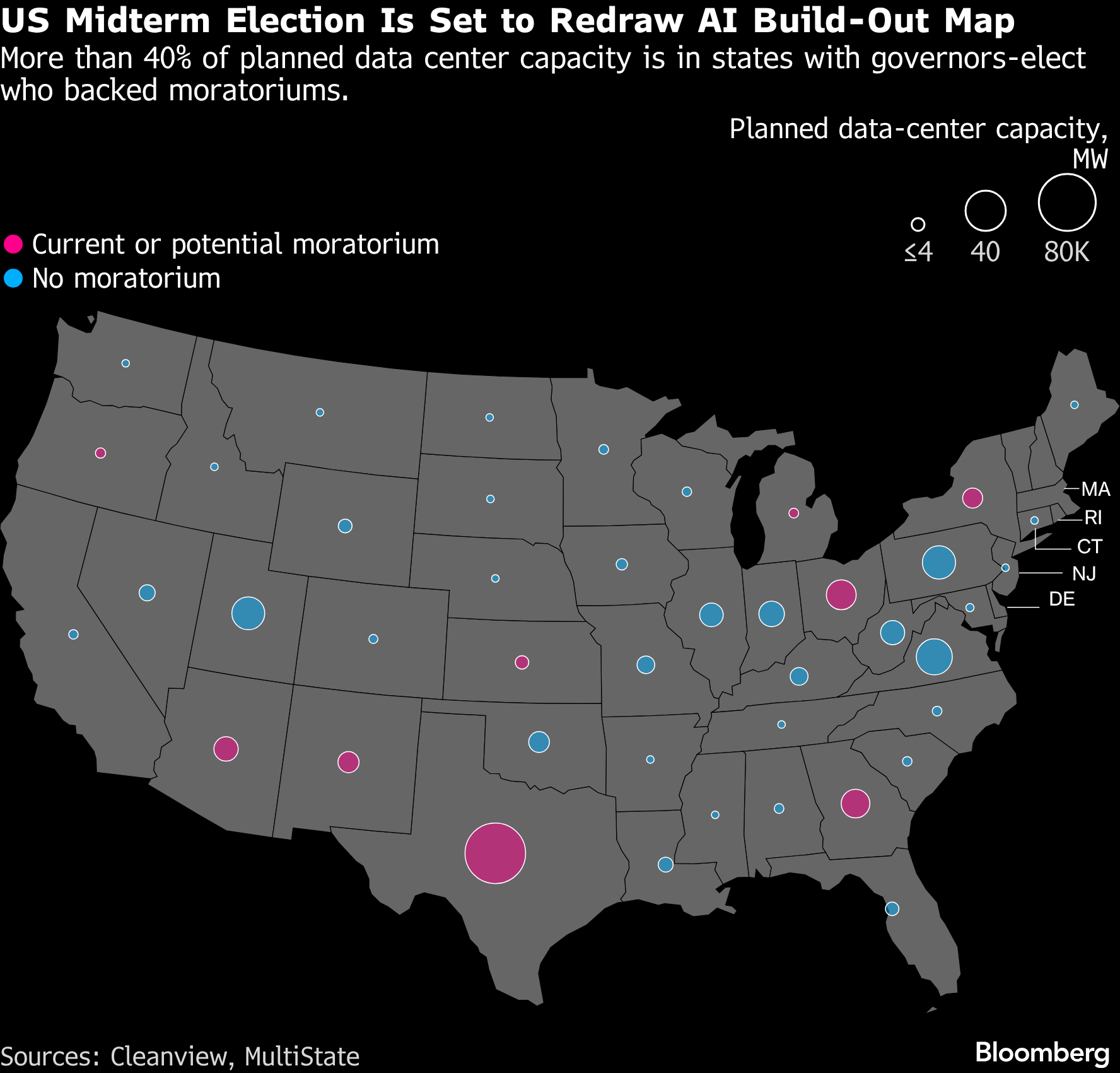
WASHINGTON & NEW YORK — The staggering expansion of artificial intelligence and cloud computing infrastructure has hit an unexpected physical wall. Fresh macroeconomic and energy grid analytics reveal that nearly 40% of all planned data center capacity in the United States is currently concentrated in states and municipal jurisdictions actively attempting to hit the pause button. Driven by unprecedented strain on electrical power grids, soaring consumer utility rates, and acute water scarcity, local lawmakers from Virginia to Oregon are drawing a hard line against the uncontrolled proliferation of server farms.
For institutional investors, hyperscale tech giants, and commercial real estate developers, this regulatory friction represents a profound shift in capital allocation strategies. What began as a localized pushback against humming cooling fans and high-voltage transmission lines has metastasized into a systemic bottleneck. As enterprise ROI calculations collide with municipal grid capacities, the valuation multiples of data center REITs and semiconductor suppliers are facing rigorous scrutiny.
Executive Takeaways
Test Our Free AI & Tech Utilities Suite
Calculate LLM API token costs, analyze article dwell-time, or simulate tech DCA returns.
- The 40% Threshold: Approximately 40% of the aggregate pipeline for future US data center development is currently localized within states implementing zoning moratoriums, grid interconnection delays, or emergency energy reviews.
- The Grid Imperative: Hyperscale cloud architecture demands continuous baseload power that legacy energy grids, heavily reliant on aging fossil fuel plants and sluggish renewable transitions, cannot reliably supply without risking brownouts.
- Capital Reallocation: Major technology conglomerates are being forced to pivot capital expenditure (CapEx) toward off-grid power solutions, nuclear energy procurement, and alternative secondary markets with friendlier regulatory environments.
- Valuation Risks: Real estate developers and utility providers heavily exposed to constrained tier-one markets face compressed margins and elongated development timelines, threatening near-term corporate earnings.
The Catalytic Convergence of AI Demand and Grid Deficits
The genesis of the current legislative backlash traces directly to the generative AI gold rush. Following the commercial explosion of large language models, tech titans including Microsoft, Google, Amazon Web Services, and Meta accelerated their hardware acquisitions at an exponential rate. Training and deploying advanced machine learning models requires massive server clusters housed in hyperscale data centers that consume as much electricity as mid-sized American cities.
However, this insatiable hunger for megawatts has collided with a fragile US electrical grid. Decades of underinvestment in transmission lines, combined with the rapid retirement of coal-fired power plants, left utility companies ill-prepared for a sudden surge in industrial demand. In northern Virginia—historically known as "Data Center Alley," which handles over 70% of global internet traffic—local utilities warned of catastrophic capacity shortfalls if transmission upgrades did not keep pace with construction.
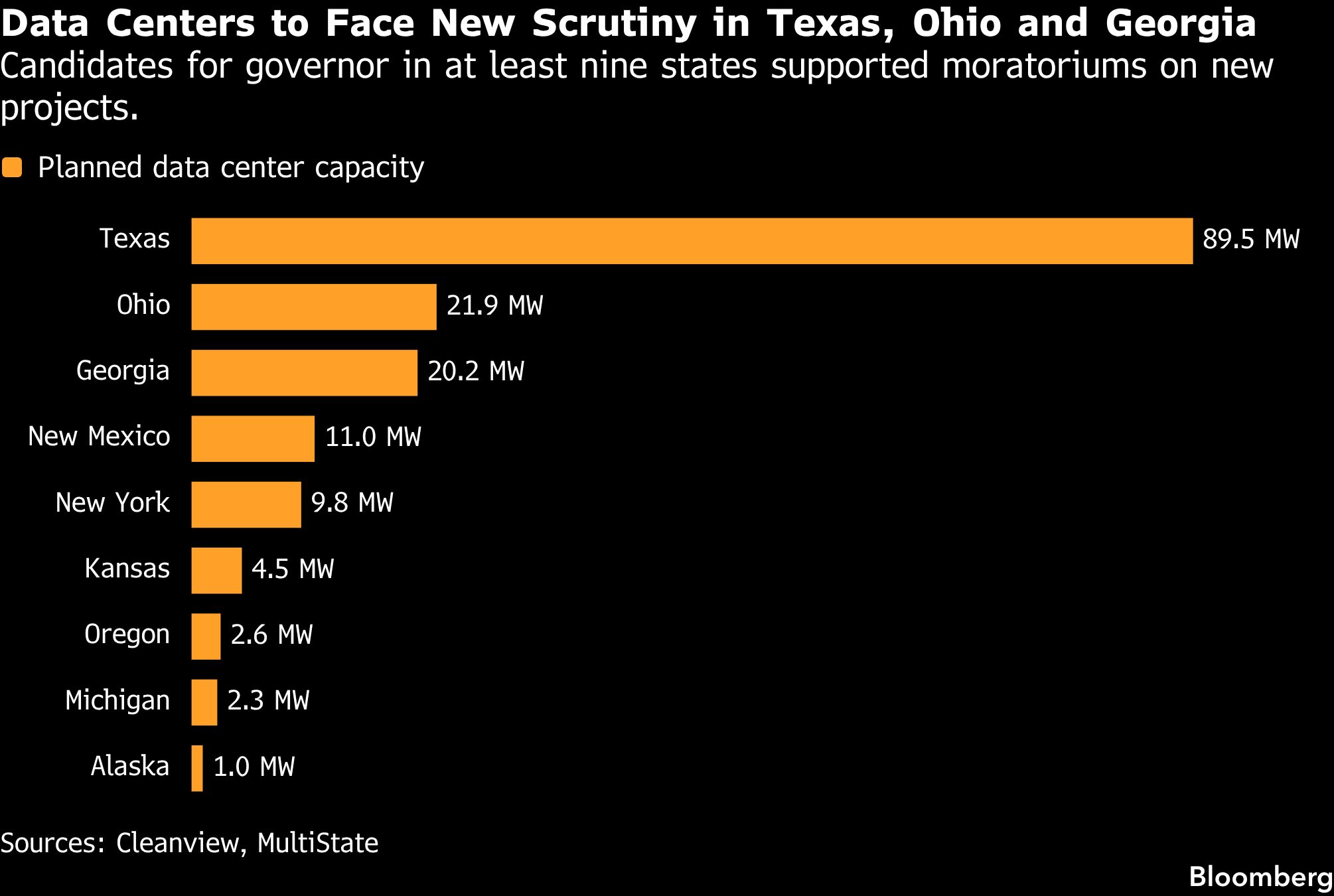
The resulting friction has forced state legislatures and county boards to reevaluate their economic development playbooks. While data centers offer lucrative property tax windfalls and construction-phase jobs, their long-term employment footprint is surprisingly lean. When weighed against the threat of escalating residential electricity bills and constrained water supplies used for server cooling, lawmakers in states like Virginia, Georgia, Ohio, and Oregon have increasingly sided with constituents demanding immediate regulatory oversight and moratoriums.
Verified Data and Metrics Breakdown
To understand the geographic distribution and financial gravity of the current regulatory slowdown, we must examine the comparative metrics governing top-tier data center markets and the emerging restriction zones:
| Metric Category | Tier-1 Restricted Markets (e.g., Northern VA, Atlanta Metro) | Emerging Expansion Markets (e.g., Rural Texas, Midwest) |
|---|---|---|
| Share of Planned US Capacity | ~40% (Impacted by moratoria, bills, or grid freezes) | ~60% (Subject to favorable zoning and laxer environmental reviews) |
| Average Power Queue Wait Time | 5 to 7 Years for Transmission Interconnection | 2 to 4 Years with Dedicated Substation Agreements |
| Average Megawatt (MW) Draw per Campus | 100 MW to 1,000+ MW | 50 MW to 300 MW (Modular designs) |
| Primary Local Concerns | Grid reliability, residential ratepayer spikes, acoustic pollution | Water table depletion, local tax abatement sustainability |
Industry and Market Implications
The ripple effects of this 40% capacity freeze extend far beyond local zoning boards, fundamentally altering market liquidity and competitive dynamics across multiple sectors.
The Winners: Alternative Energy and Secondary Markets
As primary hubs experience severe bottlenecks, capital is rapidly migrating toward secondary and tertiary markets endowed with stranded energy assets. States with abundant renewable generation, such as Texas (with its deregulated ERCOT grid), along with parts of the Midwest boasting wind and solar capacity, are capturing displaced enterprise investments.
Furthermore, the crisis has catalyzed unprecedented corporate partnerships between tech giants and the nuclear energy sector. Hyperscalers are actively pursuing long-term power purchase agreements (PPAs) with nuclear plant operators to secure zero-carbon baseload power independent of municipal grids, turning energy procurement into a vital differentiator for cloud compute architecture.
The Losers: Legacy Real Estate Developers and Traditional Utilities
Commercial real estate developers who acquired land banking positions in saturated markets under the assumption of rubber-stamped zoning approvals now face painful carrying costs. Land valuations in constrained zones are experiencing downward adjustments as projected cash flows are pushed years into the future.
Meanwhile, traditional regulated utilities find themselves caught between corporate customers demanding rapid grid hookups and state public utility commissions prioritizing residential rate stability. Balancing these competing demands requires massive capital expenditure on high-voltage infrastructure, straining corporate balance sheets and pressuring credit ratings.
Frequently Asked Questions (People Also Ask)
Why are states suddenly pausing data center construction?
States are implementing pauses and stricter regulations primarily due to electrical grid capacity constraints, fears of surging residential electricity rates, and concerns over intensive water usage for cooling. The unprecedented surge in power demand driven by generative AI has outpaced local transmission infrastructure development.
Which states are leading the pushback against new data centers?
Significant legislative friction, zoning freezes, or outright moratorium proposals have emerged in key markets including Virginia (particularly outside Loudoun County), Georgia, Ohio, Oregon, and parts of New Jersey. These areas have absorbed the vast majority of historical expansion and are now grappling with infrastructure deficits.
How are tech companies bypassing these grid limitations?
Hyperscale cloud providers are executing innovative risk mitigation strategies, including financing dedicated behind-the-meter power generation, partnering with nuclear energy providers for direct baseload power, and migrating new campus developments to regions with excess electrical capacity and business-friendly regulatory frameworks.
What is the impact on enterprise cloud pricing and availability?
In the short to medium term, infrastructure scarcity in primary markets can drive up cloud compute costs and create latency bottlenecks for enterprise clients. However, it is also accelerating industry-wide innovation in energy-efficient algorithms and distributed edge-computing architectures.
Future Outlook and Strategic Milestones
The friction between rapid technological advancement and physical infrastructure limitations will define the trajectory of the tech sector for the remainder of the decade. As the industry navigates this 40% capacity roadblock, stakeholders must monitor several critical milestones:
- Federal Energy Regulatory Commission (FERC) Rulings: Regulatory decisions regarding co-location agreements between data centers and nuclear power plants will set the legal precedent for off-grid corporate power sourcing.
- Transmission Infrastructure Investments: The pace at which regional transmission organizations (RTOs) approve and build high-voltage interstate power lines will dictate when restricted markets can reopen to new builds.
- Modular and On-Site Power Adoption: The commercial viability of small modular nuclear reactors (SMRs) and advanced microgrids deployed directly on data center campuses will determine whether tech firms can bypass public utility grid delays entirely.
Ultimately, the current pause is not a death knell for the digital infrastructure boom, but rather a necessary structural reckoning. Market participants who successfully navigate regulatory compliance, secure sustainable energy partnerships, and diversify geographically will emerge as the dominant players in the next era of enterprise computing.