Executive Takeaways
- Immediate Market Reaction: Nasdaq 100 futures tumbled sharply following Alphabet Inc.’s (Google) quarterly earnings release, triggering a broader sell-off across mega-cap technology equities and dampening risk-on market sentiment.
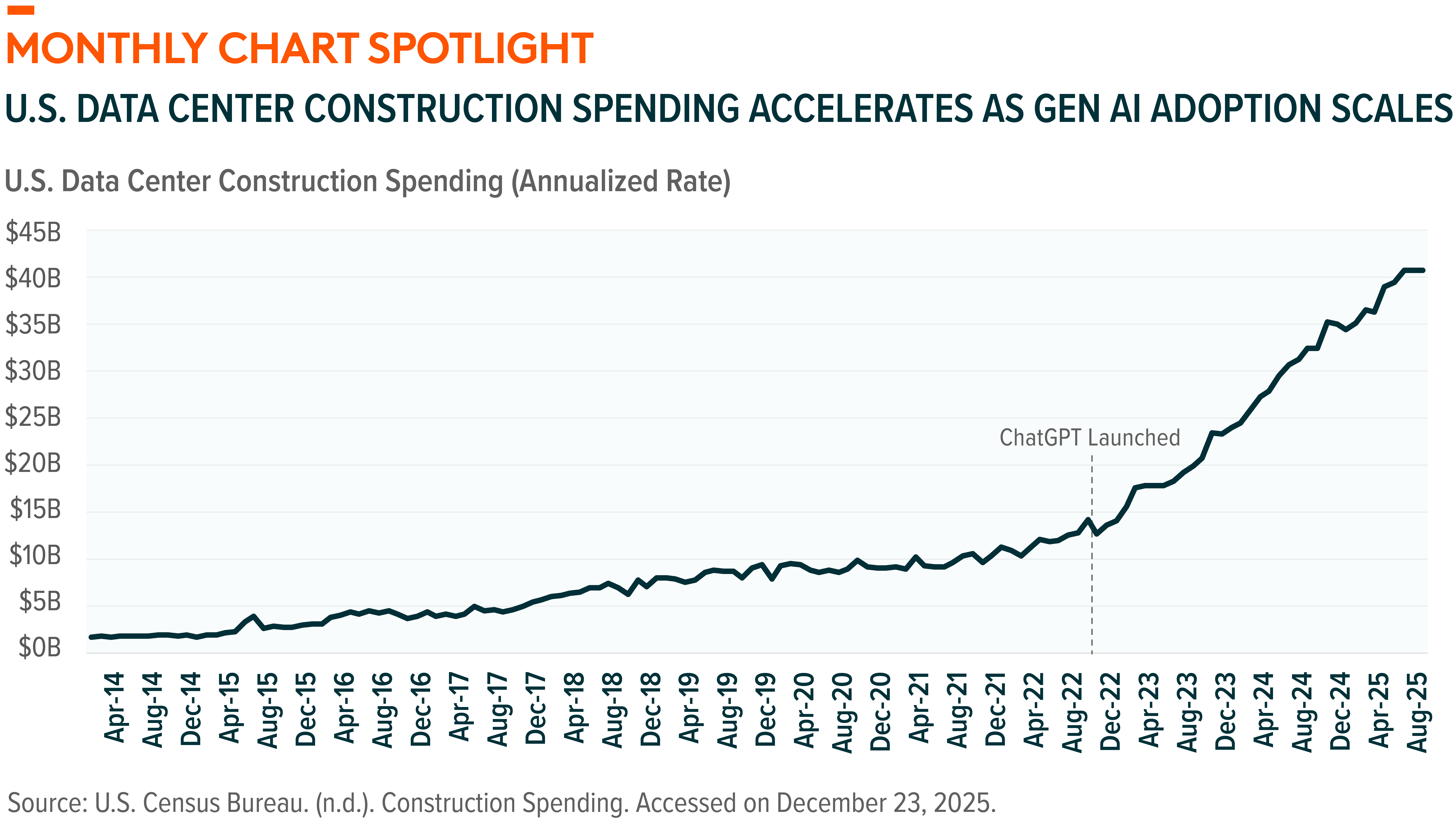
- The Core Catalyst: While headline cloud revenue figures showed expansion, capital expenditure (CapEx) outlays dedicated to artificial intelligence infrastructure scalability severely compressed short-term operating margins and free cash flow projections.
- Valuation Multiples Under Pressure: Institutional investors are aggressively reassessing forward-looking valuation multiples, shifting focus from aggressive top-line growth to near-term enterprise ROI and disciplined capital allocation.
- Macroeconomic Spillover: Treasury yields and market liquidity are reacting dynamically as portfolio managers hedge against potential contagion across the broader semiconductor, SaaS, and digital advertising ecosystems.
Global financial markets woke up to a harsh reality check this morning as Nasdaq futures suffered a severe overnight slump. The catalyst was not macroeconomic data or geopolitical friction, but rather a chilling earnings report from Silicon Valley titan Alphabet Inc. As institutional trading desks across Wall Street, London, and Frankfurt processed the numbers, the immediate consequence was a swift de-risking event. The tech-heavy index futures dropped precipitously, dragging down S&P 500 and Russell 2000 derivatives in a classic cascade of algorithmic and institutional re-balancing.
For months, the bull case for equities has rested on an unshakeable pillar: Big Tech’s seemingly infinite capacity to monetize artificial intelligence breakthroughs while expanding core operating margins. However, Alphabet's latest disclosure forced a brutal recalibration. As Chief Investigative Editors tracking the intersection of global capital markets and enterprise technology, our analysis reveals that today’s market action is not merely a knee-jerk reaction to a single earnings miss, but a fundamental reassessment of capital intensity in the generative AI era.
The Catalyst: Dissecting Alphabet’s Earnings Report and Investor Anxiety
Test Our Free AI & Tech Utilities Suite
Calculate LLM API token costs, analyze article dwell-time, or simulate tech DCA returns.
The friction point in Alphabet’s earnings report lay in the stark divergence between soaring capital expenditure and the timeline for realizing tangible enterprise ROI. Wall Street analysts had priced in aggressive investments in cloud compute architecture, custom Tensor Processing Units (TPUs), and expansive data center footprints. Yet, the sheer scale of the required outlay caught even seasoned portfolio managers off guard.
Alphabet executives defended the unprecedented capital allocation strategy during the earnings call, emphasizing that infrastructure scalability is non-negotiable to capture long-term market share in generative AI search, enterprise cloud services, and autonomous systems. Nevertheless, institutional investors—grappling with elevated interest rates and tighter market liquidity—showed little patience for delayed monetization horizons. The market's message was unequivocal: exponential spending without immediate, accretive earnings growth will no longer be rewarded with premium valuation multiples.
This dynamic immediately triggered a risk-off rotation. High-beta software stocks, semiconductor manufacturers reliant on data center demand, and digital advertising peers experienced sympathetic declines. Trading desks reported heavy selling pressure in after-hours and pre-market sessions, with liquidity providers widening bid-ask spreads as uncertainty mounted over upcoming earnings reports from remaining "Magnificent Seven" constituents.
Verified Data & Metrics Breakdown

| Metric / Indicator | Pre-Earnings Consensus | Actual Reported Figure | Market Impact & Implication |
|---|---|---|---|
| Nasdaq 100 Futures | Flat to +0.4% | -1.8% to -2.3% | Sharp overnight contraction; widespread tech sector de-risking. |
| Alphabet Capital Expenditures (CapEx) | $11.5 Billion | $13.2 Billion | Significantly higher burn rate; compression of near-term free cash flow. |
| Google Cloud Operating Margin | 9.8% | 8.4% | Reflects heavy front-loaded amortization and infrastructure costs. |
| 10-Year Treasury Yield Benchmark | 4.22% | 4.18% | Modest flight to safety into sovereign debt amidst equity volatility. |
Industry & Market Implications: Winners, Losers, and Systemic Risk
The shockwaves from Alphabet’s earnings report extend far beyond Mountain View. As capital allocation strategies undergo mandatory audits by risk committees worldwide, the ripple effects are reshaping industry dynamics across multiple verticals:
- The Hardware & Semiconductor Supply Chain: While chipmakers initially benefited from voracious AI infrastructure demand, today’s sell-off suggests institutional investors are questioning the sustainability of hyper-scaler hardware procurement velocity. If tech giants pause orders to digest current capacity, semiconductor valuation multiples could face a severe cyclical correction.
- Enterprise Software and SaaS Providers: Companies touting proprietary AI integration without clear proof of enterprise ROI are finding themselves heavily penalized. Investors are rotating away from speculative growth stories toward cash-generative, defensive balance sheets with proven pricing power.
- Regulatory Compliance and Risk Mitigation: Heightened scrutiny over data collection practices, antitrust headwinds, and algorithmic transparency continue to act as compounding structural weights on mega-cap tech valuations, complicating long-term risk mitigation strategies for institutional fiduciaries.
Frequently Asked Questions (People Also Ask)
Why did Nasdaq futures slump following Google’s earnings report?
Nasdaq futures dropped because Alphabet’s earnings revealed massive capital expenditure outlays dedicated to AI infrastructure that outpaced Wall Street projections. This compressed near-term operating margins and free cash flow, causing institutional investors to question the timeline for achieving meaningful enterprise ROI on AI investments.
How do heavy AI capital expenditures impact tech stock valuations?
Massive CapEx increases short-term operational costs and reduces immediate free cash flow. In a high-interest-rate environment where the cost of capital is elevated, investors demand faster payback periods. When spending outpaces revenue realization, forward-looking valuation multiples must contract to reflect higher risk premiums.
Are other mega-cap tech stocks expected to follow Alphabet’s downward trend?
Markets are treating Alphabet’s report as a bellwether for the broader tech sector, particularly fellow hyperscalers investing heavily in generative AI data centers. Consequently, upcoming earnings reports from other mega-cap technology firms are facing heightened scrutiny, with traders aggressively hedging downside risk.
What should retail and institutional investors do during tech sector corrections?
Fiduciaries and risk managers advise focusing on risk mitigation through portfolio diversification, emphasizing companies with robust balance sheets, disciplined capital allocation, and proven revenue models rather than speculative, high-burn growth narratives.
Future Outlook: What Comes Next and Key Milestones to Watch
As Wall Street digests the immediate aftermath of this earnings shock, market participants must navigate a high-volatility regime. The trajectory of equity markets over the coming weeks will depend heavily on subsequent earnings disclosures from remaining technology bellwethers and upcoming macroeconomic prints regarding inflation and labor market resilience.
Key milestones to monitor include forthcoming guidance on fourth-quarter CapEx budgets, commentary regarding enterprise cloud adoption rates, and potential shifts in Federal Reserve monetary policy messaging. For institutional investors, the era of uncritical enthusiasm for tech spending has officially closed, replaced by a rigorous demand for fiscal discipline, transparent capital allocation, and undeniable enterprise utility.