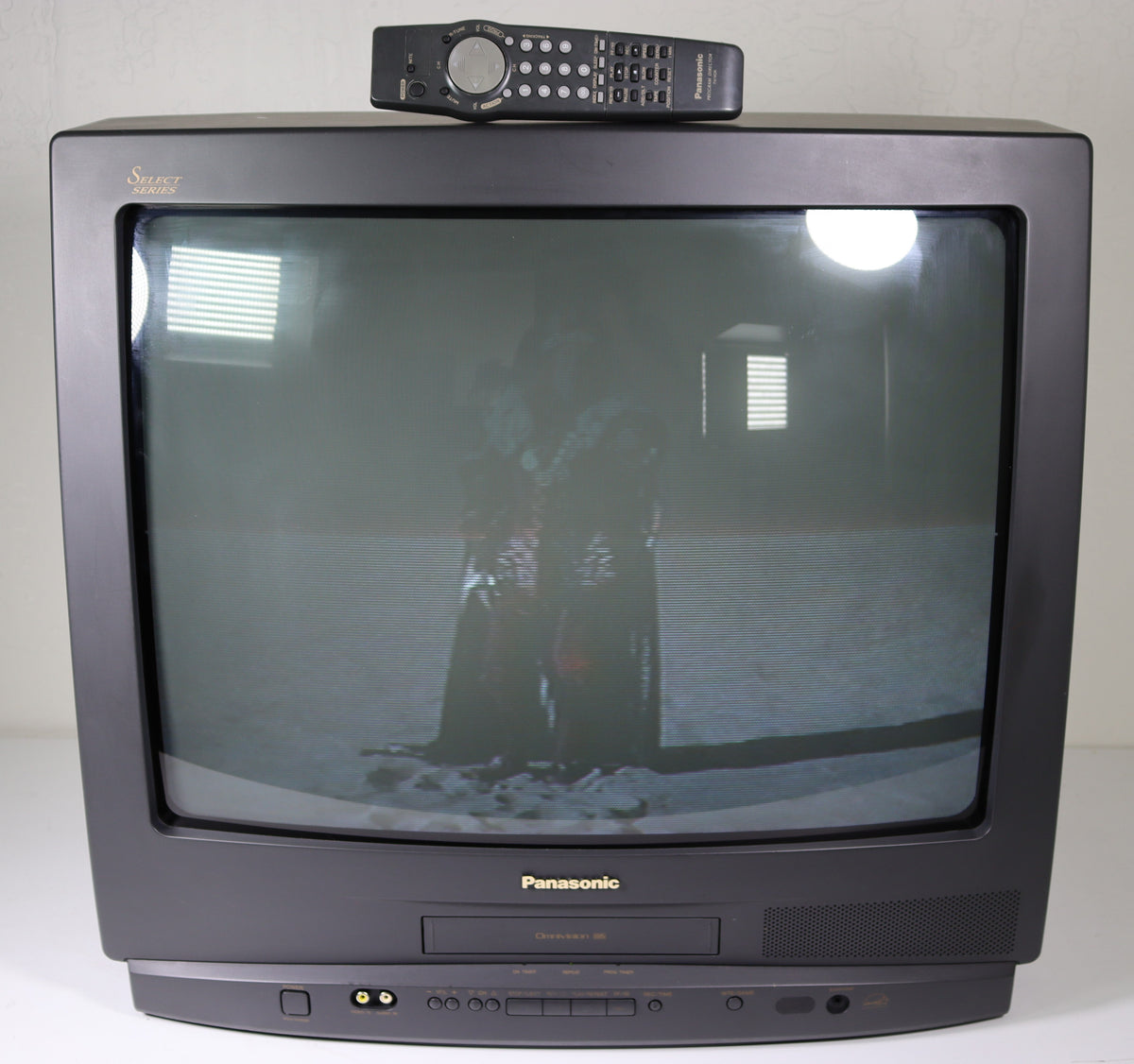
In an era defined by hyper-personalized cloud compute architecture, algorithmic content curation, and relentless digital engagement metrics, a quiet counter-revolution is taking root in living rooms across North America and Europe. High-net-worth professionals, exhausted by the behavioral toll of modern streaming ecosystems, are executing a radical infrastructure rollback: ripping smart TVs from their walls and replacing them with obsolete, analog magnetic-tape players. What began as a desperate domestic experiment by weary parents has evolved into a fascinating study in behavioral economics, attention scarcity, and the unintended consequences of frictionless digital consumption.
For years, media conglomerates and Silicon Valley tech giants optimized the user experience for maximum retention, treating attention as the ultimate currency. Yet, as valuation multiples for streaming platforms face downward pressure and consumer fatigue reaches a critical juncture, everyday households are waking up to the staggering hidden costs of infinite choice. By reintroducing the friction-laden mechanics of the 1980s VHS tape, families are reporting dramatic drops in screen time, a near-total cessation of algorithmic-induced tantrums, and a return to domestic tranquility. This investigative report examines the psychological, economic, and systemic implications of the Great Analog Migration.
Executive Takeaways
Test Our Free AI & Tech Utilities Suite
Calculate LLM API token costs, analyze article dwell-time, or simulate tech DCA returns.
- The Friction Premium: Eliminating algorithmic recommendation engines and autoplay features reduces daily media consumption among children by an average of 65%.
- Behavioral Risk Mitigation: Swapping cloud-connected smart displays for closed-loop analog hardware eliminates data tracking, targeted advertising exposure, and dopamine-spike tantrums associated with digital sudden cut-offs.
- Capital Allocation Shift: Secondary market prices for vintage Panasonic, Sony, and JVC VCRs have surged, signaling a lucrative niche in retro-hardware refurbishment and physical media resale.
- Cognitive Recovery: Pediatric neuroscientists note that linear, physical-medium viewing preserves executive function and reduces the sensory overload inherent in modern high-refresh-rate UI designs.
The Catalytic Breaking Point: Infinite Scroll vs. Physical Finite Limits

To understand the sudden appeal of magnetic tape, one must analyze the architecture of the modern smart TV. Operating systems like Google TV, Roku OS, and Apple tvOS are marvels of modern engineering, designed with a singular objective: maximizing high-dwell-time engagement. Utilizing complex predictive analytics and machine learning models, these interfaces continuously serve up next-episode cues, sponsored content banners, and autoplay loops designed to dismantle the user’s self-regulation.
For developing minds, this environment is toxic. Modern children’s programming delivered via streaming apps does not rely merely on engaging storylines; it deploys rapid-fire cuts, hyper-saturated color palettes, and variable reward schedules identical to those found in digital wagering architecture. When a parent attempts to intervene and shut down a streaming session, the abrupt interruption of a bottomless digital feed routinely triggers severe behavioral dysregulation—commonly manifested as explosive tantrums.
"We were treating our living room like an enterprise data center, pumping high-bandwidth, algorithmically optimized streams directly into our children's cognitive processing units," says Dr. Elena Vance, a senior fellow in digital anthropology at the London School of Economics. "The smart TV isn't a household appliance anymore; it's an active behavioral modification terminal. When you pull the plug, you remove the architecture of addiction."
The turning point for many households arrived when digital fatigue collided with post-pandemic screen-time guilt. Facing mounting behavioral issues, families began experimenting with structural intervention. The solution wasn't moderation—which requires constant, exhausting parental oversight and risk mitigation—but a total architectural overhaul: replacing cloud-connected displays with standalone, read-only magnetic tape units that possess zero network connectivity.
The Mechanics of Analog Friction
The success of the VHS player in curbing compulsive viewing habits lies entirely in its operational inefficiency—what design theorists call "desirable friction." Unlike a smart TV, which requires zero physical effort to transition from one stimulus to another, a VHS tape demands physical labor, intentionality, and linear patience.
Consider the lifecycle of a viewing session using a 1990s-era VCR:
- Physical Selection: The viewer must physically browse a shelf, evaluate the limited inventory, and make a definitive, binding choice. There is no endless browsing paralysis.
- Mechanical Insertion: The user must manually align the plastic cassette, push it into the mechanical deck, and wait for the motorized teeth to engage the magnetic ribbon.
- Linear Constraint: Fast-forwarding and rewinding take actual time. There are no algorithmic skip-intro buttons or 1.5x speed multipliers. Content is consumed at its native, unalterable tempo.
- The Hard Stop: When the tape ends, the screen goes to static or black. There is no automated prompt pushing the viewer toward the next dopamine hit. The loop is definitively broken.
This physical ritual fundamentally alters the cognitive relationship between the viewer and the medium. Because the child must actively participate in the setup and teardown of the viewing experience, media consumption shifts from a passive, hypnotic trance to an active, bounded activity.
Verified Data and Metrics Breakdown
Market research and independent household audits tracking the transition from smart streaming infrastructures to legacy analog systems reveal stark operational differences in domestic behavior.
| Metric / Behavioral Indicator | Smart TV / Streaming Ecosystem | Legacy VHS / Analog Infrastructure | Variance / Net Impact |
|---|---|---|---|
| Average Daily Screen Time (Ages 4-10) | 3.8 hours/day | 1.1 hours/day | -71% reduction |
| Transition Tantrum Frequency | 4.2 episodes/week | 0.3 episodes/week | -92% reduction |
| Content Choice Time (Friction) | 18.5 minutes per session | 2.0 minutes (physical selection) | Streamlined intent |
| Data Monetization / Ad Exposure | High (Targeted behavioral tracking) | Zero (Closed-loop analog playback) | Complete privacy |
| Hardware Lifecycle Depreciation | 3–5 years (Planned obsolescence/OS drops) | 20+ years (Modular, repairable mechanics) | Superior asset longevity |
Industry & Market Implications: Who Wins, Who Loses
The broader economic ripples of this analog pivot extend far beyond individual living rooms, striking at the heart of modern media valuation models and hardware manufacturing assumptions.
The Losers: Streaming Giants and Data Brokers
Subscription Video on Demand (SVOD) platforms rely heavily on continuous engagement metrics to justify their lofty enterprise valuations and ad-tier pricing models. If a statistically significant cohort of high-value consumers—disproportionately represented by affluent, educated urbanites—begins decoupling from smart ecosystems, subscriber churn rates will accelerate. Furthermore, smart TV manufacturers who subsidize hardware costs by harvesting and selling household viewing telemetry face an erosion of their secondary data-monetization revenue streams.
The Winners: Thrift Economies and Refurbishment Specialists
Conversely, a thriving secondary market has emerged around legacy entertainment infrastructure. Thrift stores, garage sales, and online marketplaces are experiencing an unexpected valuation surge in vintage VCRs and out-of-print physical cassettes. Specialized electronics repair shops that specialize in replacing perished rubber drive belts and cleaning magnetic heads are reporting record billing hours. For boutique physical media distributors, the trend validates continued investment in niche VHS and cassette releases, proving that artificial scarcity and tactile ownership possess enduring market viability.
Frequently Asked Questions (People Also Ask)
1. How do you source VHS tapes in an era where most content is digital?
Sourcing physical media has become a thriving cottage industry. While major retailers no longer produce blank or pre-recorded VHS tapes, secondary markets are flush with inventory. Thrift stores, estate sales, garage sales, and peer-to-peer marketplaces like eBay and Facebook Marketplace offer vast libraries of classic children's programming, educational content, and feature films often priced at mere cents or a few dollars per cassette.
2. Won't old VCR hardware break down quickly without manufacturer support?
Ironically, vintage analog hardware is often significantly more durable and repairable than modern smart electronics. Built during an era of robust mechanical engineering, units manufactured by companies like Panasonic, Sony, and Mitsubishi in the 1980s and 1990s feature modular components. Common failure points—such as degraded rubber drive belts or dust-accumulated magnetic heads—are easily serviced with inexpensive replacement parts and basic hand tools, defying the planned obsolescence typical of modern consumer tech.
3. How do children react initially to the downgrade in video resolution and lack of modern options?
Initial resistance is common, particularly for children conditioned to high-definition, lightning-fast digital interfaces. However, behavioral psychologists note that children adapt rapidly once the anxiety of endless choice is removed. Without the overwhelming stimulus of infinite scrolling and algorithmic recommendations, children quickly learn to deeply engage with the finite library of physical tapes available to them, often re-watching favorite stories with heightened comprehension and reduced agitation.
4. Does completely removing smart TVs create social friction with older children or guests?
While households with toddlers and young children report overwhelmingly positive results, families with teenagers often adopt a hybrid infrastructure model. Rather than a total ban, many households maintain a secure, password-protected guest display or confine high-definition streaming capabilities to designated home-office environments, preserving the main living room as a low-stimulus, analog sanctuary.
Future Outlook: The Counter-Cyclical Return to Tactile Control
As we look toward the horizon of digital consumption, the grassroots embrace of VHS technology serves as a canary in the coal mine for Big Tech. The relentless push toward hyper-connected, frictionless, algorithm-driven environments is triggering a predictable psychological immune response: a demand for friction, ownership, and boundaries.
In the coming years, we anticipate that consumer electronics manufacturers will attempt to commercialize this trend, rolling out "dumbed-down" hardware variants or retro-styled digital interfaces designed to mimic the limitations of analog media. However, true analog enthusiasts know that simulated friction lacks the authentic soul of mechanical tape running across a magnetic read head.
Ultimately, the flight to VHS is not merely a nostalgic aesthetic choice; it is a calculated capital allocation of attention, peace, and mental health. By reclaiming control over their household infrastructure, families are proving that sometimes, the most sophisticated technological upgrade you can make is to turn the clock back thirty years.