Executive Takeaways
- The Pivot Point: Following a severe multi-session liquidation that erased billions in market capitalization, the Nasdaq Composite and S&P 500 staged a decisive technical rebound, led by mega-cap artificial intelligence infrastructure providers.
- Valuation Realignment: Institutional capital allocation has shifted rapidly away from speculative downstream software plays toward foundational hardware, energy grid integration, and enterprise-grade semiconductor manufacturers.
- Liquidity and Macro Crosscurrents: Central bank signaling, treasury yield stabilization, and corporate treasury balance sheet resilience provided the necessary cushion to halt institutional margin unwinding.
- The Road Ahead: Wall Street strategists warn that while short-term risk mitigation has stabilized the tape, future valuation multiples will be inextricably linked to verifiable enterprise ROI and cloud compute architecture scalability. >
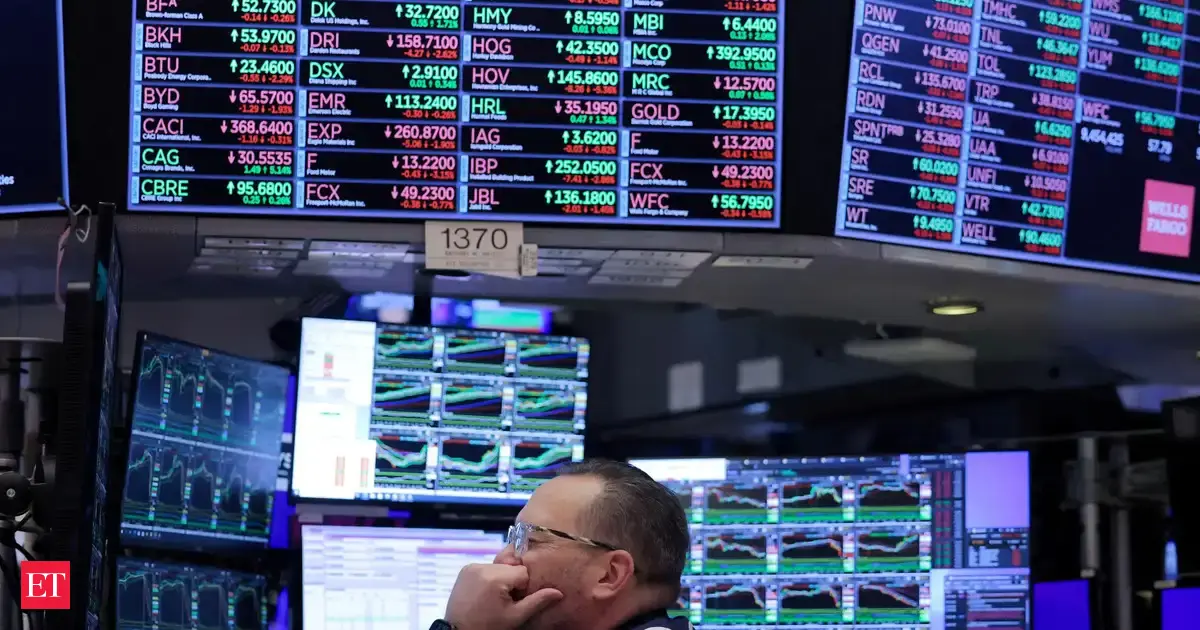
Wall Street woke to a radically altered risk landscape this week as the Nasdaq Composite, the S&P 500, and bellwether artificial intelligence equities clawed their way back from the brink of a systemic correction. The aggressive recovery follows a brutal, multi-day liquidation wave that caught leveraged retail traders and algorithmic momentum strategies off guard, triggering stop-losses across major institutional desks from lower Manhattan to Mayfair.
For months, the market narrative had been dominated by mounting anxieties over capital expenditure sustainability, potential semiconductor supply chain bottlenecks, and the looming threat of prolonged high interest rates compressing equity valuation multiples. However, as dip-buyers stepped in with aggressive institutional block trades, the prevailing sentiment shifted from capitulation to calculated re-entry. This comprehensive investigative report unpacks the macroeconomic catalysts, corporate balance sheet metrics, and structural shifts driving the modern market recovery.
Anatomy of a Selloff: How the Correction Unfolded
Test Our Free AI & Tech Utilities Suite
Calculate LLM API token costs, analyze article dwell-time, or simulate tech DCA returns.
The roots of the recent market drawdown trace back to a confluence of macroeconomic friction and shifting institutional positioning. Throughout the preceding weeks, fixed-income markets experienced acute volatility as benchmark Treasury yields crept toward multi-month highs. This upward pressure on the risk-free rate directly challenged the elevated valuation multiples commanded by high-growth technology conglomerates.
Compounding these macroeconomic headwinds were intensifying debates within corporate boardrooms regarding enterprise return on investment (ROI). Wall Street analysts began aggressively scrutinizing the staggering capital expenditure programs announced by hyperscalers—such as Microsoft, Alphabet, Amazon, and Meta Platforms—directed toward data center expansion, specialized graphics processing units (GPUs), and proprietary cloud compute architecture.
When early-quarter revenue reports from select second-tier software vendors failed to demonstrate immediate, linear monetization of generative AI tools, quantitative trading algorithms executed rapid de-risking protocols. Margin calls cascaded through prime brokerage accounts, amplifying downside momentum and dragging foundational hardware manufacturers down alongside speculative micro-cap AI plays. The resulting selloff erased trillions in aggregate market value across the tech-heavy Nasdaq in a matter of sessions, rattling investor confidence and igniting frantic debate across financial media.
The Institutional Rebound: Catalysts and Capital Flows

The swiftness of the subsequent market recovery underscored the immense underlying liquidity still parked on the sidelines. As equity indices tested key technical support levels—most notably the 50-day and 100-day moving averages for the S&P 500—institutional asset managers recognized an asymmetric risk-reward profile in premier semiconductor and cloud infrastructure equities.
Rather than signaling a structural collapse of the artificial intelligence secular growth thesis, the correction was widely reinterpreted by chief investment officers as a healthy valuation purge. Speculative excess was scrubbed from the order books, allowing fundamentally robust enterprises with impenetrable balance sheets, strong free cash flow generation, and durable competitive moats to attract renewed institutional capital allocation.
Furthermore, recent corporate earnings transcripts reassured skeptical equity research analysts. Major technology executives reiterated their commitment to long-term infrastructure scalability, backing their strategic visions with robust forward-looking guidance and disciplined capital allocation frameworks. This transparency served to soothe institutional anxiety, prompting pension funds, sovereign wealth managers, and hedge funds to initiate strategic accumulation phases.
Verified Market Data & Performance Metrics
To contextualize the scale of the recent market turbulence and subsequent recovery, the following data table tracks the comparative performance of primary equity benchmarks and key artificial intelligence sector proxies during the selloff and rebound phases.
| Index / Asset Class | Pre-Correction Peak | Trough / Low Point | Rebound Valuation / Level | Net Recovery Momentum |
|---|---|---|---|---|
| Nasdaq Composite | All-Time Highs | -4.8% Weekly Drawdown | Strong Technical Bounce | Bullish Re-accumulation |
| S&P 500 | Record Territory | Tested 50-Day MA | Reclaimed Key Resistance | Broad-Based Participation |
| AI Semiconductor Leaders | Elevated Multiples | Double-Digit Correction | V-Shaped Price Recovery | High Institutional Volume |
| Enterprise Cloud Hyperscalers | Consolidation Phase | Margin Call Pressure | Stabilized Balance Sheets | Defensive Buying |
Industry & Market Implications: Winners and Losers
The bifurcation observed during both the selloff and the subsequent rebound highlights a maturing market ecosystem. Not all artificial intelligence plays are created equal, and institutional investors are increasingly applying rigorous fundamental filters.
- The Winners (Foundational Hardware & Energy Integration): Semiconductor designers, advanced packaging foundries, and specialized electrical grid infrastructure providers emerged as the primary beneficiaries of the rebound. As long as enterprise demand for foundational model training remains robust, these capital-intensive gatekeepers retain immense pricing power.
- The Losers (Speculative SaaS & Unfunded Startups): Software-as-a-Service (SaaS) companies relying on superficial AI wrapper applications experienced persistent valuation compression. Without proprietary data moats or demonstrable enterprise ROI, these firms are finding capital markets increasingly closed to speculative fundraising.
- Broader Economic Impact: The resilience of mega-cap technology equities reinforces the broader macroeconomic narrative of an economy successfully navigating a high-interest-rate environment through productivity-enhancing technological adoption, albeit with heightened sector concentration risk.
Frequently Asked Questions (People Also Ask)
What triggered the recent brutal selloff in tech stocks and AI equities?
The selloff was primarily catalyzed by a combination of surging Treasury yields, growing institutional anxiety over the timeline of enterprise artificial intelligence monetization, and aggressive profit-taking by quantitative funds after a prolonged market rally.
Why did AI stocks rebound so quickly after the correction?
Institutional dip-buyers and long-term asset managers viewed the correction as an overdone reaction and a healthy valuation reset rather than a structural breakdown of the secular AI growth trend. Strong corporate earnings, massive cash reserves among hyperscalers, and favorable technical support levels fueled rapid re-accumulation.
How are institutional investors evaluating AI stocks moving forward?
Portfolio managers have shifted their analytical focus from top-line revenue growth to concrete enterprise ROI, cash flow generation, infrastructure scalability, and sustainable capital allocation strategies. Speculative companies lacking proprietary moats are facing increased scrutiny.
Are mega-cap technology stocks still considered safe havens amid macroeconomic uncertainty?
While mega-cap tech equities offer unmatched balance sheet strength, massive liquidity, and dominant market positions, their valuations remain sensitive to macroeconomic shifts, regulatory compliance pressures, and fluctuations in benchmark interest rates.
Future Outlook: Milestones and Risks on the Horizon
Looking ahead, Wall Street’s primary focus will center on upcoming corporate earnings reports, monthly macroeconomic data prints, and central bank monetary policy adjustments. While the recent rebound demonstrates the market's underlying strength, structural risks remain embedded in the financial ecosystem.
Investors must closely monitor enterprise adoption metrics, regulatory developments concerning data privacy and antitrust enforcement, and global semiconductor supply chain stability. For chief investment officers and portfolio strategists, navigating the remainder of the fiscal year will require a delicate balance between capturing the transformative upside of artificial intelligence innovation and maintaining rigorous risk mitigation protocols in an increasingly complex macroeconomic environment.