Executive Takeaways
- Infrastructure Backlash: Recent US midterms catalyzed local and state pushback against hyper-scale data centers, turning suburban zoning boards and county commissions into high-stakes battlegrounds.
- Grid Strain & Capital Allocation: Rapid deployment of generative AI workloads has collided with structural energy deficits, forcing institutional investors to reassess enterprise ROI, valuation multiples, and risk mitigation strategies.
- Regulatory Fragmentation: Developers face an emerging patchwork of municipal ordinances, water usage caps, and transmission bottlenecks that threaten project pipelines and cloud compute architecture scalability.
- Market Re-pricing: Real estate, utility, and tech equities are experiencing risk-premium adjustments as communities demand community-benefit agreements and stringent environmental impact reviews.
The flashing red lights of server stacks once symbolized unalloyed progress, economic revitalization, and the frictionless expansion of the digital economy. Today, across suburban corridors in Northern Virginia, the rolling hills of Ohio, and the arid stretches of the American Southwest, those same flashing lights are increasingly viewed by local electorates as harbingers of noise pollution, exorbitant water consumption, and destabilized electrical grids. As the dust settles from recent US midterm elections, political analysts, institutional capital allocators, and Big Tech executives are confronting an uncomfortable reality: the ballot box has emerged as a formidable check on digital infrastructure expansion.
What began as isolated NIMBY (Not In My Back Yard) resistance to rezoning applications has matured into a coordinated populist movement. Grassroots coalitions, galvanized by environmental concerns and surging utility bills, successfully mobilized voters during the midterms to alter municipal balances of power. For hyperscalers—Amazon Web Services, Microsoft Azure, Google Cloud, and specialized AI infrastructure providers—this political friction represents more than an administrative hurdle. It is a fundamental structural risk threatening enterprise ROI, capital expenditure efficiency, and the long-term scalability of the modern cloud and artificial intelligence ecosystem.
The Catalyst: When Generative AI Met the Local Power Grid
Test Our Free AI & Tech Utilities Suite
Calculate LLM API token costs, analyze article dwell-time, or simulate tech DCA returns.
To understand how data centers became a frontline electoral flashpoint, one must examine the unprecedented resource demands of modern compute architecture. The generative AI boom has fundamentally altered the physical footprint of computing. Traditional cloud storage facilities required modest power and cooling profiles. In contrast, modern AI training clusters demand massive, continuous blocks of electricity, often measured in hundreds of megawatts, drawing power loads equivalent to small industrial cities.
This insatiable appetite collided head-on with aging US transmission grids. As regional transmission organizations (RTOs) such as PJM Interconnection warned of shrinking reserve margins, residential ratepayers noticed a direct correlation between incoming data center campuses and climbing monthly electricity bills. Local election cycles provided residents with a direct mechanism to voice their discontent. Candidates running on platforms opposing unchecked industrial rezoning and demanding rigorous environmental reviews found unprecedented voter enthusiasm, weaponizing public sentiment against tech developments that promised millions in capital investment but delivered scant local employment relative to their vast physical footprint.
| Metric / Indicator | Pre-AI Baseline (2018–2020) | Post-AI Midterm Era (2022–Present) | Market & Financial Impact |
|---|---|---|---|
| Average Facility Power Load | 15 – 30 Megawatts (MW) | 100 – 300+ Megawatts (MW) | Extended interconnection queues (3–7 years) |
| Local Zoning Approval Rate | ~85% Fast-track approval | ~40% Contested or Denied | Delays in capital deployment and project pipelines |
| Water Consumption (Per Campus) | 100,000 – 300,000 gallons/day | 1,000,000 – 5,000,000+ gallons/day | Municipal pushback, wastewater restrictions |
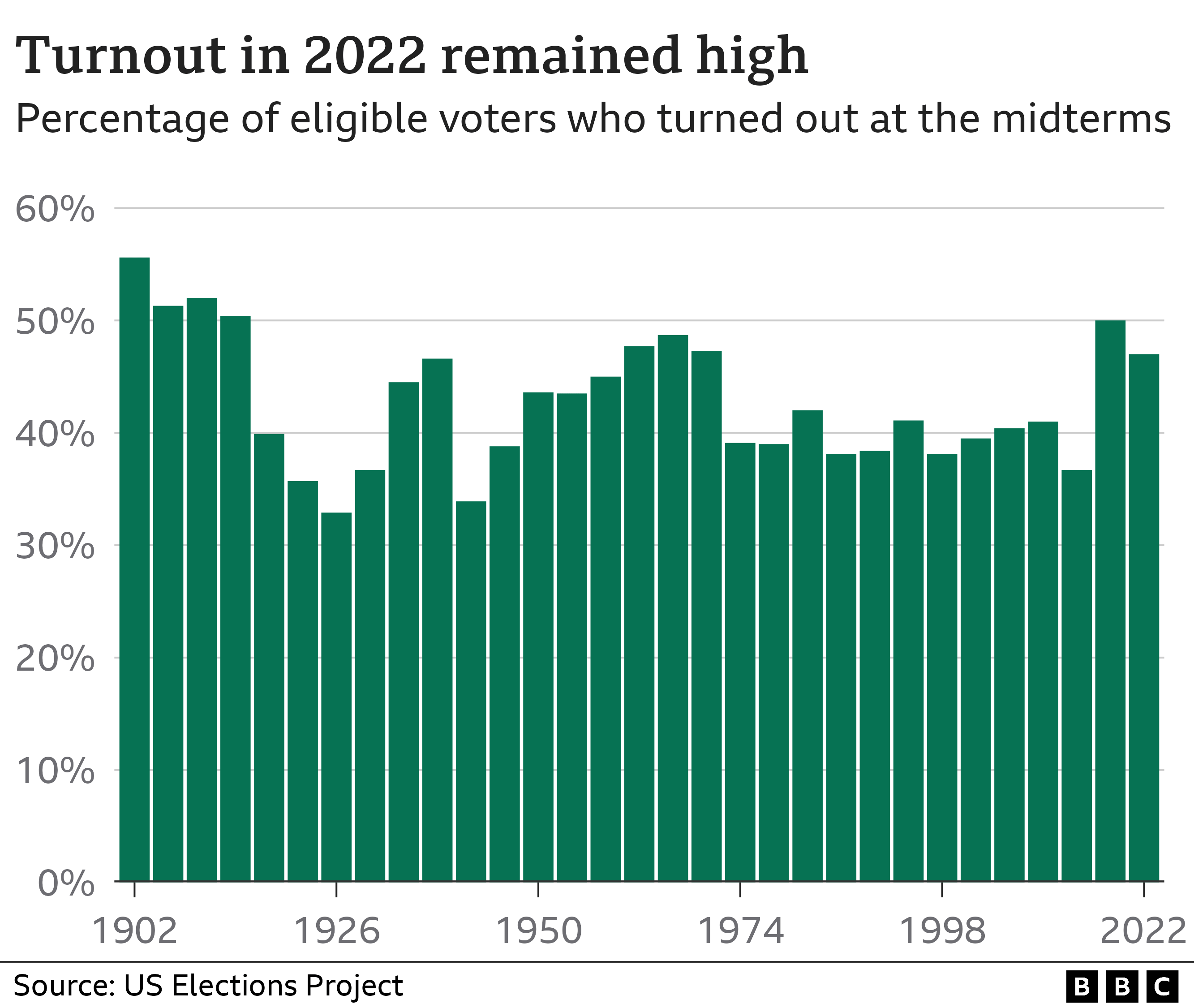
| Voter Mobilization Index | Low (Apathetic turnout) | High (Organized PACs and ballot initiatives) | Forced legislative oversight and zoning moratoriums |
Geopolitical and Economic Fault Lines: Who Wins, Who Loses

The political realignment surrounding digital infrastructure is already reshaping asset valuation multiples across multiple sectors. Institutional portfolios heavily weighted toward traditional commercial real estate and utility equities are experiencing a strategic bifurcation.
The Winners: Grid Modernization & Nuclear Integration
Utility providers with robust transmission networks and diversified generation portfolios are commanding pricing power. Furthermore, independent power producers (IPPs) capable of delivering "behind-the-meter" carbon-free energy—particularly nuclear and advanced natural gas facilities—are emerging as indispensable partners for hyperscalers. Investors focusing on infrastructure scalability and grid-hardening technologies are seeing capital inflows as tech giants race to secure captive energy sources independent of public grids.
The Losers: Merchant Land Developers & Undiversified Hyperscalers
Conversely, merchant real estate developers relying on rapid land banking and permissive zoning in suburban jurisdictions are absorbing heavy losses. Projects that once sailed through planning commissions are now meeting protracted litigation, municipal moratoriums, and mandatory ballot referendums. For cloud providers, project delays translate directly into stunted market liquidity and lost first-mover advantage in high-performance computing markets.
Regulatory Compliance and Risk Mitigation Strategies
To navigate this hostile electoral terrain, corporate legal and public affairs teams are overhauling their risk mitigation playbooks. Gone are the days when a stealth-mode land acquisition followed by a quiet variance request could secure a 500-acre development site. Today's paradigm demands proactive stakeholder engagement long before a single excavator touches soil.
Enterprise risk committees are insisting on rigorous community-benefit agreements (CBAs), funding local infrastructure enhancements, public parks, and educational grants to offset electoral blowback. Additionally, tech firms are heavily investing in closed-loop liquid cooling systems and direct partnerships with municipal water treatment plants to mitigate accusations of resource depletion. Regulatory compliance is no longer a check-the-box legal exercise; it is an existential business prerequisite.
Frequently Asked Questions (People Also Ask)
Why did data centers become a major issue during the US midterms?
Data centers evolved from background infrastructure into visible community burdens due to skyrocketing local electricity bills, water scarcity concerns, and noise pollution. The explosive growth of generative AI massively amplified the power requirements of these facilities, straining local electrical grids and prompting voters to elect candidates pledged to halt unchecked industrial expansion.
How does local zoning resistance impact enterprise cloud valuation multiples?
When municipal boards deny zoning permits or impose moratoriums, hyperscalers face severe project delays and stranded capital. This friction increases operational costs and restricts the rapid deployment of compute capacity required to meet AI demand, ultimately forcing financial analysts to re-evaluate valuation multiples for tech and real estate entities exposed to regulatory bottlenecks.
What solutions are tech companies implementing to appease local voters?
Hyperscalers are increasingly turning to innovative energy solutions, such as contracting directly with nuclear power plants and investing in geothermal and advanced renewables. On the community front, developers are offering substantial benefit packages, funding local school districts, upgrading municipal water treatment facilities, and adopting advanced noise-reduction and waterless cooling technologies.
Are state legislatures stepping in to override local data center bans?
It is a mixed regulatory landscape. While some states have enacted tax incentives to lure digital infrastructure, others are empowering local municipalities with stricter oversight authority. This creates a fragmented regulatory environment where compliance strategies must be tailored county-by-county rather than managed through a unified federal framework.
Future Outlook: Navigating the Next Electoral Cycle
As the digital economy presses deeper into the petabyte era, the tension between local democracy and global compute demand will only intensify. The recent midterm backlash was not an isolated political anomaly; it was the opening salvo in a protracted structural negotiation over how society balances technological advancement with resource sustainability.
Key milestones to watch over the next 18 to 36 months include upcoming state legislative sessions addressing grid interconnection reform, the success or failure of nuclear-powered data center colocation deals before federal regulatory bodies, and upcoming municipal elections in primary server alleyways like Northern Virginia's Data Center Alley. For institutional investors and tech executives alike, long-term success will no longer be measured solely by processing speed and capital deployment velocity, but by political fluency, community trust, and grid stewardship.