For more than a century, field geologists have stared at a profound geological enigma that defies standard stratigraphy: hundreds of millions—and in some places, over a billion—years of planetary history simply missing from the rock record. Known as the Great Unconformity, this planetary-scale discontinuity bridges the gap between ancient Precambrian basement rocks and relatively youthful Cambrian sedimentary formations. Across the globe, from the inner gorges of the Grand Canyon to the shield regions of North America and Baltica, this jagged boundary represents one of the most significant episodes of erosion and crustal transformation in deep time.
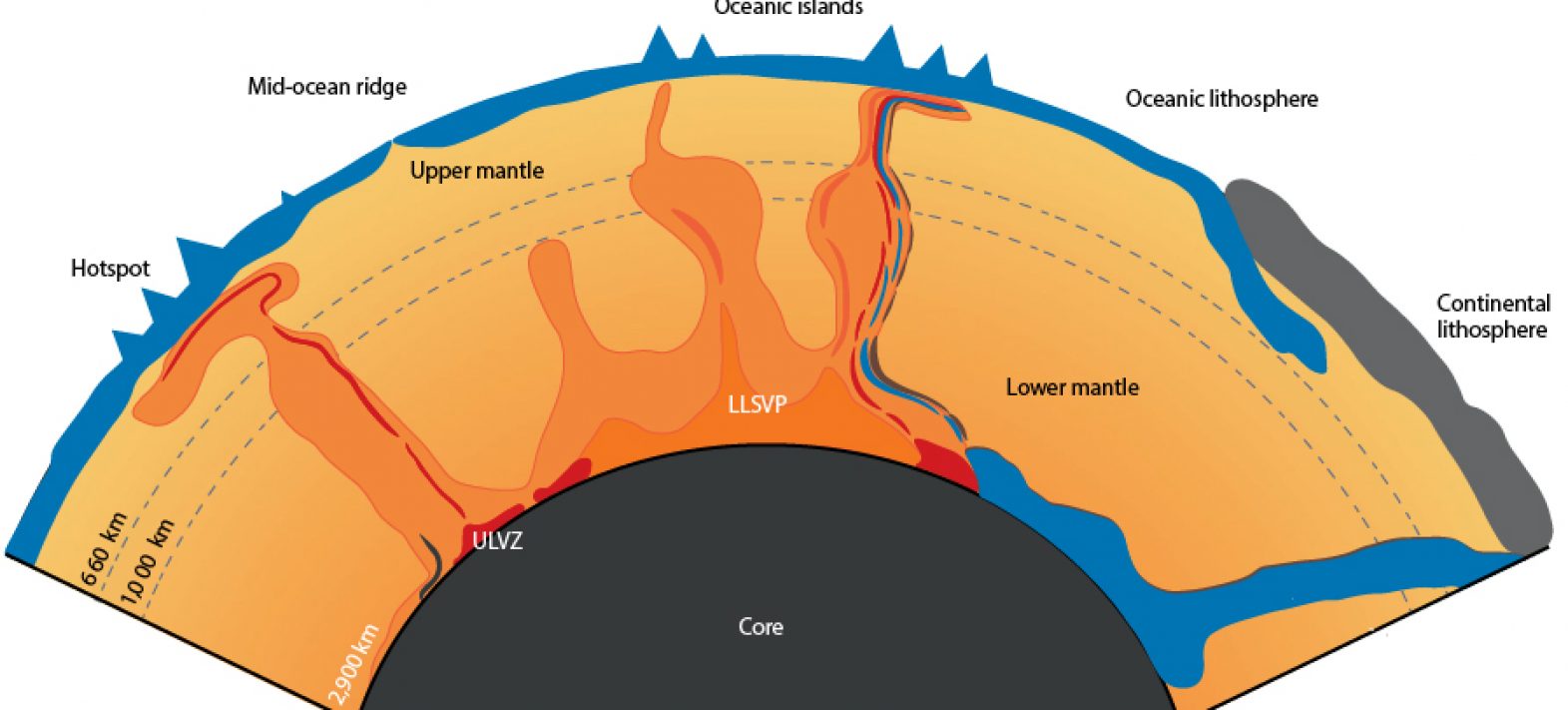
Now, groundbreaking geophysical models and empirical mineralogical data suggest a radical causal mechanism. Earth’s churning convective mantle—the colossal, sluggishly circulating engine of molten rock driving plate tectonics—may have been the primary architect behind this missing billion years. For institutional investors, natural resource conglomerates, and energy strategists, understanding the mechanics of the Great Unconformity is not merely an exercise in academic curiosity. The very same deep-earth dynamics that leveled ancient mountain belts and stripped continents of their surface geology also distributed critical mineral deposits, shaped long-term global carbon cycles, and created the foundational infrastructure of the modern Earth system.
Executive Takeaways
Test Our Free AI & Tech Utilities Suite
Calculate LLM API token costs, analyze article dwell-time, or simulate tech DCA returns.
- The Missing Billion Years: The Great Unconformity represents a massive hiatus in the geological record, where vast swaths of continental crust were eroded away just prior to the Cambrian explosion of complex life.
- Mantle Convection as the Catalyst: Recent geophysical findings indicate that massive mantle plumes, supercontinent breakups, and thermal upwellings destabilized continental margins, driving continent-wide denudation on an unprecedented scale.
- Economic & Resource Implications: The tectonic scouring associated with the Unconformity played a critical role in the mobilization, concentration, and preservation of rare earth elements, hydrocarbons, and base metals vital for global capital allocation and industrial supply chains.
- A Paradigm Shift in Earth Sciences: Moving away from simplistic glaciations models ("Snowball Earth"), contemporary geoscientists are utilizing high-performance cloud compute architectures to model deep-mantle thermodynamic feedback loops.
The Anatomy of a Geological Void
To comprehend the magnitude of the Great Unconformity, one must first understand the standard convention of stratigraphic accumulation. Under normal conditions, sedimentary layers pile sequentially atop one another like pages in a historical ledger, recording shifting climates, marine transgressions, and biological evolution. However, at the Great Unconformity, this ledger is torn directly down the middle. Below the boundary lie crystalline rocks—granites and metamorphic schists—forged 1.7 to 1.8 billion years ago. Directly above sit shallow marine sandstones and shales dating to roughly 540 million years ago. A staggering span of geological time has vanished.
Historically, geologists debated whether this massive erosion was driven by global glaciation events, known colloquially as "Snowball Earth" scenarios, or by localized tectonic uplift. While widespread ice sheets undoubtedly scraped down continental interiors, glaciations alone struggle to account for the simultaneous, global scale of the unconformity across disparate tectonic plates. The missing volume of rock is astronomical—equaling thousands of vertical feet of continental crust stripped away across multiple continents in a relatively narrow window of geological time.
Enter modern geodynamic modeling. By synthesizing thermochronological data—specifically tracking how rocks cooled as they moved toward the surface—researchers have mapped out thermal pulses originating deep within the Earth. These findings point squarely toward the Earth's churning mantle as the master controller of this continental makeover.
The Mantle Connection: Supercontinents and Thermal Plumes
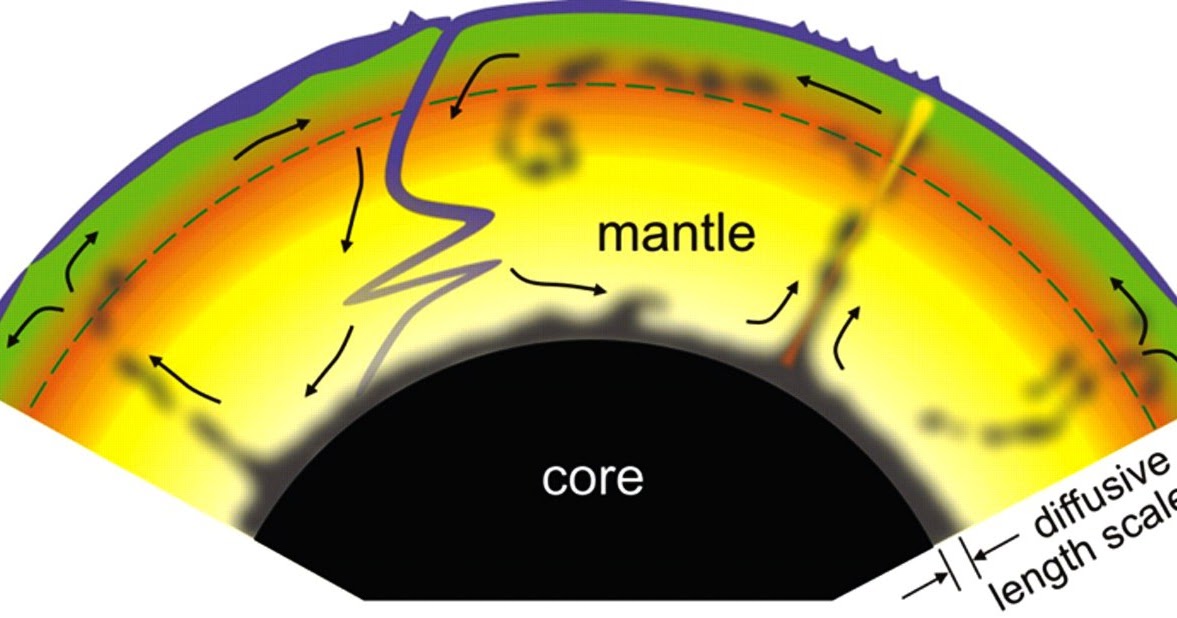
The Earth’s mantle is far from uniform; it is a chaotic, churning thermodynamic system driven by the decay of radioactive isotopes and leftover heat from planetary accretion. Over hundreds of millions of years, mantle convection cycles assemble and dismantle supercontinents in what is known as the Supercontinent Cycle.
During the breakup of the ancient supercontinent Rodinia roughly 700 to 900 million years ago, immense heat began to accumulate beneath the thick, insulating continental keels. This subterranean thermal blanket triggered massive upwellings of superheated mantle material—mantle plumes—that bowed the overlying crust upward. As the crust flexed and rose, topographically elevated plateaus were exposed to aggressive subaerial weathering and intense erosion.
| Geological Era / Event | Approximate Timeframe | Primary Mantle / Tectonic Driver | Surface Impact & Result |
|---|---|---|---|
| Rodinia Supercontinent Assembly | 1.1 – 1.3 Billion Years Ago | Convergent plate tectonics; deep crustal root formation | Massive mountain building (Grenville Orogeny); thickening of continental crust. |
| Thermal Insulation & Plume Generation | 850 – 700 Million Years Ago | Mantle heat trapping beneath supercontinent core | Widespread crustal doming, rifting, and initiation of continental denudation. |
| The Great Unconformity Peak Erosion | 700 – 540 Million Years Ago | Combined convective churning, rifting, and glacial scouring | Removal of vertical kilometers of rock; creation of the global stratigraphic gap. |
| Cambrian Explosion | 540 – 500 Million Years Ago | Post-unconformity marine transgression | Influx of continental weathering products (calcium, phosphorus) into oceans, sparking biomineralization. |
This dynamic uplift and subsequent erosion did not merely discard rock into the void; it fundamentally altered the chemistry of the world’s oceans. As the churning mantle drove continental surfaces downward through erosion, vast quantities of weathered minerals—most notably calcium, magnesium, and phosphorus—flushed into shallow seas. This colossal nutrient injection is now widely believed to have provided the exact chemical triggers required for the evolution of hard-shelled organisms, directly setting the stage for the Cambrian explosion of biological diversity.
Industry, Market, and Resource Implications
While the academic ramifications of mantle-driven unconformities are profound, the industrial and economic repercussions ripple directly across global markets, affecting capital allocation, risk mitigation, and natural resource exploration strategies.
1. Mining and Mineral Exploration
Unconformity-related boundaries are prime geological targets for heavy industry. For instance, the unconformity surfaces in the Athabasca Basin of Canada and the Pine Creek Geosyncline in Australia host the world’s highest-grade uranium deposits. The juxtaposition of oxidized sedimentary sequences against reduced basement rocks creates intense chemical gradients capable of precipitating high-value metallic ores. Mining conglomerates utilize advanced seismic imaging and high-performance cloud compute architectures to model these deep-earth interfaces, optimizing enterprise ROI on multi-billion-dollar exploration capex.
2. Hydrocarbon Reservoirs and Basin Analysis
In petroleum geology, unconformities frequently act as giant structural and stratigraphic traps. Porous sandstones resting directly upon impermeable crystalline basement rocks create classic structural pinch-outs where hydrocarbons accumulate. Understanding the precise timing and thermal history of mantle-driven uplifts allows energy majors to refine asset valuation models, enhance exploration success rates, and ensure strict regulatory compliance in offshore and onshore drilling campaigns.
3. Environmental Risk Mitigation
Assessing the long-term stability of the Earth's crust requires an intimate understanding of mantle dynamics. As civil engineering firms design long-term repositories for nuclear waste and massive infrastructure projects, accounting for tectonic stability and deep-mantle thermal anomalies is critical for risk mitigation and asset longevity.
Frequently Asked Questions (People Also Ask)
What exactly is the Great Unconformity?
The Great Unconformity is a globally recognized geological boundary where sedimentary layers of Cambrian age (roughly 540 million years old) rest directly upon much older Precambrian crystalline rocks (ranging from 1.0 to 3.0 billion years old), bypassing hundreds of millions of years of intervening geological history due to extensive erosion.
How did the Earth’s mantle cause this massive erosion?
Heat accumulation beneath ancient supercontinents generated massive mantle plumes and thermal upwellings. This deep-earth convective activity bowed the continental crust upward, creating high-altitude plateaus that were subsequently exposed to intense weathering, tectonic rifting, and glacial scouring, stripping away vertical kilometers of rock.
Did the Great Unconformity influence the origin of complex life?
Yes. The large-scale erosion of continental rocks dumped unprecedented volumes of vital nutrients, such as calcium and phosphorus, into the global ocean. This chemical influx dramatically shifted ocean chemistry, providing the raw building blocks necessary for early organisms to develop shells and skeletons during the Cambrian explosion.
Are there similar unconformities in other parts of the geological record?
While smaller, regional unconformities occur frequently throughout the stratigraphic column due to local sea-level drops or tectonic shifts, the Great Unconformity is unique because of its planetary scale, extreme time gap, and direct tie-in to global-scale mantle convection and supercontinent breakup cycles.
Future Outlook and Key Milestones to Watch
As geoscientists deploy next-generation geophysical instrumentation—including dense seismic arrays, satellite-based gravity mapping, and advanced thermodynamic modeling software—our understanding of the deep Earth continues to accelerate. The historical boundary between hard rock geology and deep mantle dynamics is rapidly dissolving into a unified framework of Earth system science.
Key milestones for institutional stakeholders and researchers to monitor over the next 24 to 36 months include:
- High-Resolution Mantle Tomography: Deployment of advanced seismic imaging projects designed to map sub-continental mantle anomalies with unprecedented clarity.
- AI-Driven Stratigraphic Modeling: Integration of machine learning algorithms with legacy well-log data to predict undiscovered mineral traps along major unconformity boundaries.
- Global Thermochronological Databases: Expansion of collaborative open-access platforms tracking mineral cooling ages across major continental shields, shedding new light on the precise pulse rates of ancient mantle plumes.
Ultimately, the realization that Earth's churning mantle engineered the Great Unconformity underscores the deeply interconnected nature of our planet. From the molten churning thousands of kilometers beneath our feet to the emergence of complex life on the surface, the deep Earth remains the ultimate driver of planetary history and economic wealth.