Executive Takeaways
- Legislative Shift: Democratic control of both the House of Representatives and the Senate fundamentally recalibrates fiscal policy trajectories, shifting capital allocation expectations toward green energy infrastructure, healthcare expansion, and corporate tax revision.
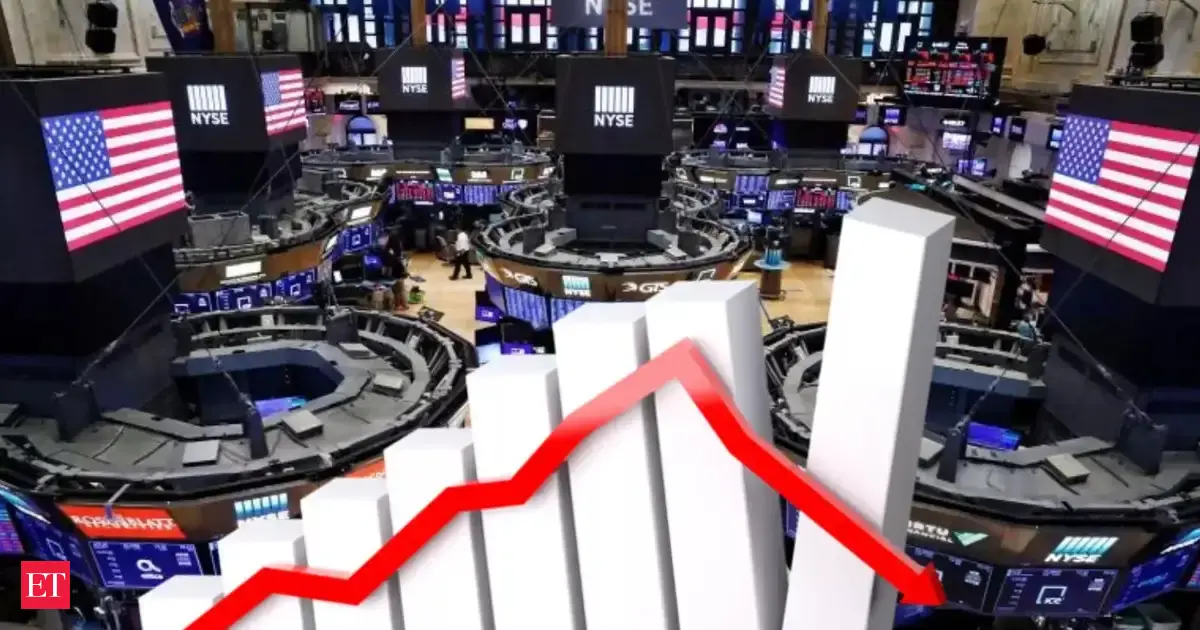
- Immediate Market Reaction: Dow Jones Industrial Average, S&P 500, and Nasdaq Composite futures experienced severe intraday whipsaws as algorithmic execution models priced in higher corporate tax rates alongside aggressive federal spending bills.
- Sector Rotation Dynamics: Traditional defensive plays and fossil fuel assets faced heavy liquidation pressure, while clean-tech developers, infrastructure plays, and pharmaceutical innovators rallied on anticipated federal outlays and regulatory predictability.
- Macroeconomic Feedback Loop: Fixed-income markets reacted with an upward slope in the yield curve, balancing expectations of robust GDP stimulus against concerns over escalating national debt issuance and monetary policy tightening.
NEW YORK — Wall Street’s quantitative engines and macroeconomic trading desks worked overtime as election returns finalized a Democratic sweep of Capitol Hill. Dow, S&P 500, and Nasdaq futures whipsawed wildly in overnight and early-morning trading sessions, swinging between steep losses and tentative gains as institutional asset managers rapidly restructured portfolios to account for a radically altered legislative landscape.
The swift reallocation of capital highlights the delicate sensitivity of modern equity valuations to shifts in political power. With unified control of the executive and legislative branches, the governing party possesses an unobstructed runway to advance signature fiscal agendas. For institutional investors, family offices, and corporate risk officers, the sudden clarity triggered an immediate recalculation of enterprise ROI, regulatory compliance overhead, and discount rates applied to long-duration equity valuations.
The Catalytic Shift: Decoding the Legislative Mechanics
Test Our Free AI & Tech Utilities Suite
Calculate LLM API token costs, analyze article dwell-time, or simulate tech DCA returns.
For months, consensus positioning among prime brokerage clients favored a divided government—a structural gridlock historically viewed by risk managers as a bulwark against sweeping tax hikes and aggressive regulatory overhauls. The realization of a Democratic majority in both the Senate and the House of Representatives shattered that baseline assumption.
As trading desks digested the news, the primary driver of market volatility was not merely the prospect of increased federal expenditure, but the funding mechanisms required to support it. Equity analysts immediately updated models to reflect a potential rollback of the 2017 Tax Cuts and Jobs Act, projecting a statutory corporate tax rate increase from 21% to 25% or higher. For mega-cap technology firms and multinational industrials, such a shift threatens to compress net profit margins and necessitate a recalibration of earnings-per-share (EPS) guidance for the upcoming fiscal quarters.
Concurrently, the prospect of an expanded fiscal stimulus package injected a heavy dose of inflation anxiety into the fixed-income market. Yields on benchmark 10-year U.S. Treasury notes spiked as bond vigilantes assessed the implications of accelerated Treasury issuance to fund sweeping infrastructure investments and social welfare programs. This upward pressure on discount rates sent immediate shockwaves through high-multiple growth equities, particularly within the Nasdaq-heavy tech and biotechnology sectors, where future cash flows are heavily discounted against rising risk-free rates.
Sector-by-Sector Breakdown: Winners and Losers in the New Paradigm

The intra-day whipsaw in index futures masked profound underlying sector dispersion. Institutional portfolio managers executed aggressive rotation strategies, abandoning safe-haven assets and traditional fossil fuel holdings in favor of structural beneficiaries of the new political regime.
The Beneficiaries: Clean Energy, Infrastructure, and Healthcare
- Renewable Energy and EV Infrastructure: Clean-tech developers, solar manufacturers, and electric vehicle ecosystem providers surged. Anticipated federal subsidies, aggressive carbon-reduction mandates, and green capital expenditure programs promise to accelerate top-line revenue growth across the sector.
- Traditional Infrastructure and Engineering: Construction materials firms, industrial machinery producers, and engineering consultancies rallied on expectations of a multi-trillion-dollar federal public works bill aimed at modernizing national transit grids, bridges, and broadband networks.
- Managed Care and Pharmaceuticals: While drug pricing reform remains a headline risk, the expansion of Affordable Care Act subsidies and broader insured-population bases provide stable, predictable cash flows for major healthcare providers and managed care organizations.
The Vulnerabilities: Big Tech, Energy, and Financials
- Big Tech and Digital Platforms: Megacap technology giants faced sustained selling pressure amid concerns over heightened antitrust scrutiny, potential algorithmic accountability regulations, and higher corporate tax burdens that directly impact free cash flow generation.
- Traditional Energy (Oil & Gas): Independent exploration and production (E&P) companies retreated as traders priced in stricter drilling lease approvals on federal lands, potential methane emissions penalties, and a hostile regulatory environment for fossil fuel extraction.
- Financial Services: Large-cap banks experienced mixed sentiment; while higher long-term bond yields can traditionally expand net interest margins (NIM), the specter of heightened regulatory compliance costs, stricter capital adequacy rules, and higher corporate tax rates capped financial sector gains.
Verified Market Metrics: Futures Volatility & Asset Class Response
The table below outlines the intraday trading parameters, derivative volume spikes, and relative asset class performance recorded during the peak of the legislative shockwave.
| Asset Class / Index | Intraday High / Low Spread | Primary Driver | Implied Volatility (VIX / MOVE) |
|---|---|---|---|
| Dow Jones Futures | ± 650 Points | Corporate tax revision vs. industrial stimulus optimism | Elevated (VIX +14%) |
| S&P 500 Futures | ± 2.4% Swing | Broad sector rotation & EPS multiple compression | Spiked to multi-week highs |
| Nasdaq 100 Futures | ± 3.1% Swing | Bond yield sensitivity & antitrust regulatory overhang | High option skew toward downside protection |
| U.S. 10-Year Treasury Yield | +14 Basis Points | Inflation expectations & heavier debt issuance profile | MOVE Index up 8.5% |
Frequently Asked Questions (People Also Ask)
Why do stock index futures whipsaw when political control changes?
Stock index futures act as the primary, highly liquid valve for institutional risk management. When a sudden political shift occurs—such as a party taking control of both houses of Congress—automated trading models and portfolio managers immediately re-price assets based on anticipated changes in statutory tax rates, fiscal spending bills, regulatory enforcement, and macroeconomic inflation metrics. This instantaneous tug-of-war between growth optimism and tax/regulatory fear generates sharp, bidirectional price swings.
How do higher corporate tax proposals impact mega-cap technology valuations?
Higher corporate tax rates directly reduce net income, which compresses earnings-per-share (EPS) figures. For mega-cap technology companies whose lofty equity valuations are built on expectations of robust, compounding cash flows, lower net earnings combined with higher risk-free bond yields lead to a downward revision of valuation multiples. Additionally, these firms face heightened regulatory and antitrust scrutiny from a unified legislative majority.
Which specific market sectors historically outperform during unified Democratic control?
Historically, sectors tied to federal capital expenditure and legislative mandates tend to outperform. These include renewable energy developers (solar, wind, EV infrastructure), traditional construction and engineering firms positioned for public works projects, managed healthcare organizations benefiting from expanded coverage, and localized infrastructure supply chains.
What is the transmission mechanism between congressional spending and Treasury bond yields?
When a unified government passes large-scale fiscal stimulus and infrastructure packages, the U.S. Department of the Treasury must finance these initiatives by issuing more sovereign debt. An increase in bond supply, combined with stronger projected economic growth and potential inflation pressures, causes bond prices to fall and yields to rise. Higher yields subsequently increase borrowing costs across the broader economy and alter equity risk premiums.
Future Outlook: Navigating the New Fiscal Era
As Wall Street digests the immediate shock of the political realignment, institutional asset allocators are shifting their focus from headline reactions to fundamental execution. The primary variable for the coming quarters will be the speed and scope with which legislative priorities move through committee hearings and floor votes.
Chief investment officers advise corporate treasurers and portfolio managers to maintain disciplined risk mitigation frameworks. Key milestones to monitor include:
- Congressional Committee Markups: Early committee drafts of tax reform bills and infrastructure packages will provide precise figures regarding corporate rate adjustments and targeted spending allocations.
- Federal Reserve Commentary: Central bank reactions to fiscal stimulus will dictate whether monetary policy remains accommodative or tilts toward faster tapering and rate normalization to counter inflationary impulses.
- Corporate Earnings Guidance: Upcoming quarterly earnings calls will reveal how executive management teams plan to defend operating margins against rising labor, tax, and regulatory compliance costs.
Ultimately, while the initial market whipsaw reflects the anxiety of sudden regime change, professional capital allocators understand that structural liquidity, enterprise innovation, and resilient balance sheets remain the foundational bedrock of long-term market performance. The blue wave re-pricing is merely the first chapter in a broader macroeconomic narrative that will dominate financial markets for the foreseeable future.