Executive Takeaways
- The Strategic Pivot: CVS Health is officially splitting its retail pharmacy and PBM operations from its insurance arm, dismantling the multi-billion-dollar healthcare conglomerate model.
- Valuation Pressures: Chronic margin compression, aggressive regulatory scrutiny from the FTC, and stagnant equity valuation multiples forced the board’s hand.
- Capital Allocation Shift: The unbundling aims to optimize operational agility, unlock trapped enterprise ROI, and streamline complex infrastructure scalability.
- Industry-Wide Shockwaves: The move signals a major capitulation for the "one-stop-shop" healthcare thesis, sending ripples through Wall Street, managed care, and competing pharmacy giants.
For over a decade, Wall Street and corporate boardrooms operated under a singular, immutable gospel: vertical integration was the ultimate defense against market volatility. By merging pharmacy benefit managers (PBMs), retail storefronts, and massive health insurance payors under one roof, conglomerates promised investors superior risk mitigation, seamless patient journeys, and impenetrable moats. Today, that fortress has officially crumbled.
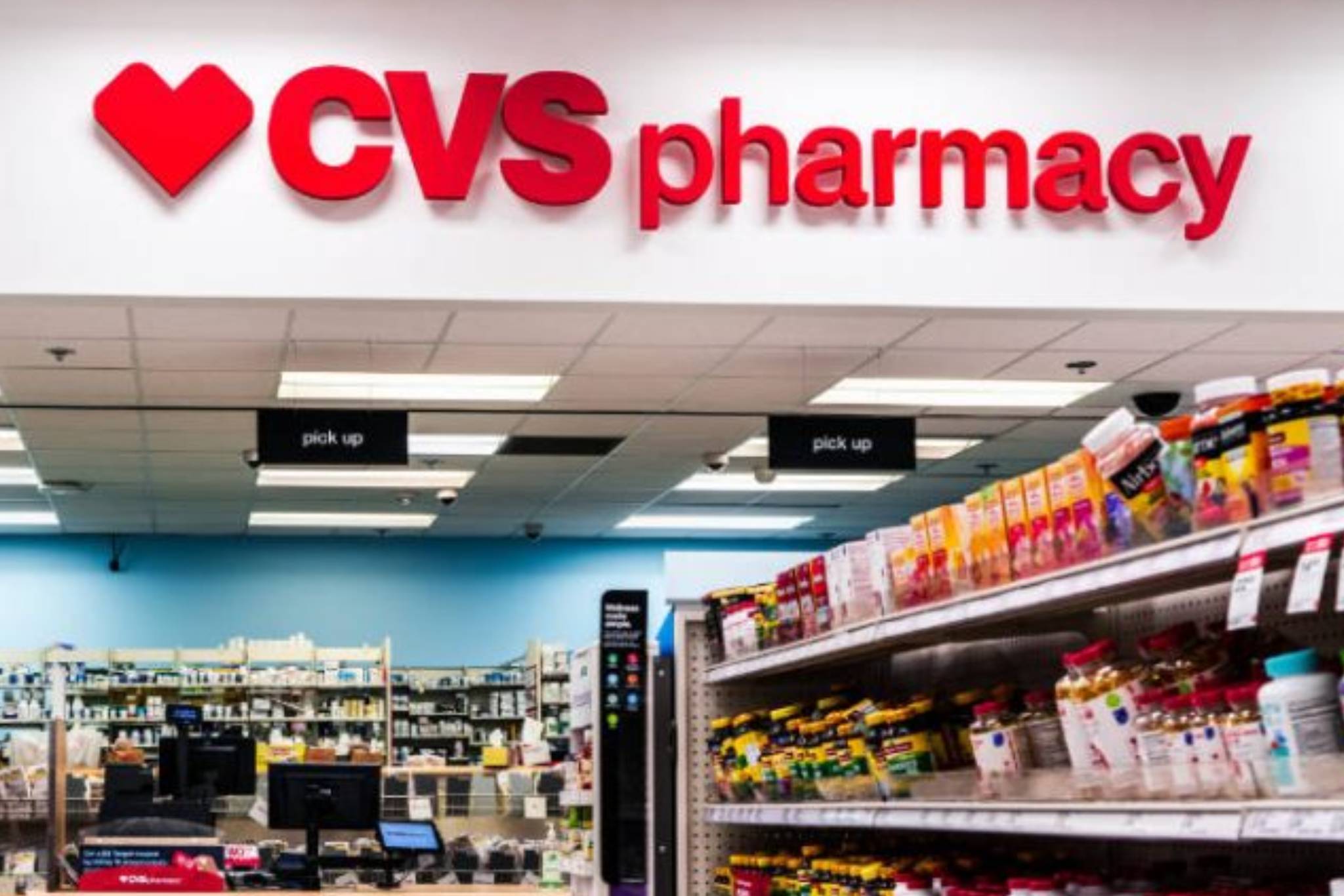
In what is arguably the most consequential structural realignment in the history of American corporate healthcare, CVS Health has announced its decision to spin off its core pharmacy and retail operations from its broader healthcare enterprise. This seismic shift marks the definitive end of the healthcare conglomerate era, forcing institutional investors, healthcare executives, and regulators to recalibrate how medical services, drug distribution, and insurance risk are managed in the United States.
Anatomy of a Breakdown: The Catalysts Behind the Split
Test Our Free AI & Tech Utilities Suite
Calculate LLM API token costs, analyze article dwell-time, or simulate tech DCA returns.
The unraveling of CVS Health’s integrated empire did not happen in a vacuum. It was the result of a compounding series of existential pressures, structural headwinds, and shifting macroeconomic realities that rendered the conglomerate model mathematically unsustainable.
Chief among these pressures is unrelenting margin compression within both the retail pharmacy and PBM divisions. For years, front-store sales and traditional prescription fulfillment acted as reliable cash cows. However, surging labor costs, persistent generic drug deflation, and direct-to-consumer digital disruption severely eroded operating margins. Simultaneously, the company’s pharmacy benefit manager, Caremark, found itself caught in a crossfire of unprecedented regulatory scrutiny.
Federal Trade Commission (FTC) investigations into PBM pricing practices, rebate aggregation, and spread pricing stripped away the opacity that once protected these high-margin business segments. As compliance costs mounted and legal risks multiplied, the expected synergies between managing insurance risk through Aetna and dispensing drugs at retail streetcorners failed to materialize at the scale projected during the initial merger announcements.
"The market has rendered its verdict," says a senior healthcare investment banker advising institutional portfolios. "When you mix low-margin, high-overhead retail distribution with high-stakes medical risk underwriting, you don't create a compounding machine; you create valuation drag. Investors are no longer willing to pay a conglomerate discount when pure-play operators offer superior transparency and capital efficiency."
The Mechanics of Unbundling: Restructuring the Balance Sheet

Executing a corporate separation of this magnitude requires surgical precision, particularly regarding debt distribution, tax efficiency, and operational decoupling. CVS Health’s executive leadership team faces a complex restructuring roadmap designed to preserve market liquidity while establishing two distinct, independent publicly traded entities.
From an operational standpoint, the separation addresses long-standing friction points in infrastructure scalability. Managing legacy retail IT systems alongside complex, HIPAA-compliant insurance cloud compute architecture created massive bureaucratic overhead. By untangling these disparate business units, both the standalone retail pharmacy enterprise and the remaining healthcare services arm can tailor their technology stacks, optimize supply chain logistics, and direct capital allocation toward high-growth verticals rather than propping up underperforming legacy segments.
Furthermore, the transaction is designed to unlock trapped enterprise value. Historically, the market applied a compressed valuation multiple to CVS Health because the heavy capital expenditure requirements of the retail division weighed down the robust cash flows of the insurance business. Operating as separate entities allows institutional equity analysts to value each business on its own fundamental merits, attracting targeted investor bases ranging from growth-oriented tech-health funds to yield-driven institutional dividend seekers.
Verified Data & Metrics Breakdown
| Metric / Parameter | Pre-Split Conglomerate Model | Post-Split Pharmacy Entity | Post-Split Healthcare & Insurance Entity |
|---|---|---|---|
| Primary Focus | Vertical Integration & Cross-Selling | Retail Distribution & PBM Services | Medical Insurance & Clinical Services |
| Valuation Multiple Focus | Blended Conglomerate Discount | Cash Flow & Operational Efficiency | Risk Adjustment & Membership Growth |
| Regulatory Exposure | High (Cross-Sector Antitrust Scrutiny) | Moderate (PBM Transparency & Pricing) | High (Medical Loss Ratios & Payor Oversight) |
| Capital Expenditure Target | Fragmented Across Divergent Assets | Supply Chain & Digital Storefront | Data Analytics & Value-Based Care Tech |
Industry & Market Implications: Winners, Losers, and Economic Realignment
The collapse of the CVS conglomerate model sends shockwaves throughout the entire healthcare ecosystem. Competitors who rushed to replicate the vertical integration playbook—most notably other major national pharmacy and insurance conglomerates—are now forced to re-evaluate their strategic assumptions.
Who Wins: Pure-play health insurers and specialized care delivery networks stand to benefit significantly. Without the anchor of capital-intensive retail storefronts, investors can accurately price insurance risk and clinical innovation. Furthermore, independent retail pharmacies and digital-first pharmacy disruptors may find renewed breathing room as legacy giants decentralize their massive physical footprints and focus on core operational triage.
Who Loses: Real estate investment trusts (REITs) heavily exposed to retail pharmacy leases face renewed anxiety. As CVS streamlines its physical footprint to maximize profitability post-split, corporate real estate rationalization is all but guaranteed. Additionally, corporate strategists who built their careers on empire-building M&A must now defend models centered on divestiture, lean operations, and specialization.
From a macroeconomic perspective, this unbundling signals a broader market correction. Investors are prioritizing balance sheet health, regulatory risk mitigation, and clear-cut enterprise ROI over sprawling, defensive corporate structures.
Frequently Asked Questions (People Also Ask)
Why is CVS Health deciding to split its pharmacy business now?
The decision is driven by chronic margin compression in retail pharmacy, intense regulatory scrutiny from the FTC regarding PBM operations, and a persistent valuation discount applied by institutional investors to diversified healthcare conglomerates. Splitting the businesses allows each entity to optimize operations, improve capital allocation, and unlock trapped enterprise value.
How will the split impact existing customers, patients, and insurance policyholders?
In the immediate term, day-to-day operations, prescription fulfillment, and insurance coverage will experience no disruption. Over the long term, the restructuring is intended to make each business unit more agile, potentially leading to improved digital tools, streamlined customer service, and more targeted healthcare service offerings.
What happens to CVS Health's massive debt load following the separation?
Corporate finance teams are structuring the spin-off to ensure an optimal debt-to-equity ratio for both resulting entities. Debt will be allocated based on the cash-generation capabilities and balance sheet capacity of each newly independent company, ensuring neither entity is over-leveraged.
Will this move trigger similar spin-offs across other healthcare giants?
Market analysts widely anticipate that CVS's strategic pivot will serve as a bellwether. Other major healthcare conglomerates facing similar valuation pressures and regulatory headwinds are expected to closely analyze the unbundling playbook to determine if pure-play restructuring can enhance their own shareholder returns.
Future Outlook: Milestones to Watch
As CVS Health navigates the complex execution phase of this historic unbundling, institutional stakeholders and market observers must monitor several critical milestones over the next 12 to 24 months:
- Regulatory and Shareholder Approvals: Formal filings with the SEC, tax-free distribution rulings, and antitrust clearances will test the logistical viability of the separation timeline.
- Debt Restructuring and Credit Ratings: Rating agencies will closely scrutinize the newly issued balance sheets to assess default risk and creditworthiness for both standalone entities.
- Leadership and Governance Structure: The appointment of distinct executive teams and boards of directors will signal the strategic priorities of each new corporate entity.
- Quarterly Earnings Transparency: Initial standalone earnings reports will provide the ultimate empirical test of whether unbundling successfully delivers the promised valuation multiples and operational efficiencies.
The era of the sprawling healthcare conglomerate is officially over. As CVS Health leads the charge back to focused, specialized enterprise architecture, corporate America is reminded that in modern capital markets, agility and transparency will always outperform sheer scale.