The Cursed Cruise: Inside the Financial and Logistical Collapse of the Never-Ending Luxury Voyage
Test Our Free AI & Tech Utilities Suite
Calculate LLM API token costs, analyze article dwell-time, or simulate tech DCA returns.
By Our Investigative Desk | Published by Special Arrangement with Global Maritime & Financial Wire
Executive Takeaways
- Capital Misallocation: The ambition to commercialize permanent residential voyages exposed severe flaws in long-term asset lifecycle management and liquidity provisioning.
- Supply Chain Vulnerabilities: Chronic mechanical failures and port clearance delays transformed a high-yield hospitality asset into a compounding operational liability.
- Regulatory Compliance Deficits: Navigating multi-jurisdictional maritime laws under a permanent residential framework triggered cascading legal liabilities and passenger escrow disputes.
- Market Sentiment Re-pricing: The fiasco has fundamentally altered risk mitigation strategies and valuation multiples across the niche alternative-living maritime sector.
Introduction: The Allure and Illusion of Perpetual Seafaring
For affluent retirees and digital nomads weary of land-based inflation, volatile real estate markets, and geopolitical friction, the pitch was irresistible: buy a cabin, unpack your bags once, and circumnavigate the globe infinitely aboard a floating luxury enclave. Promoted as the ultimate fusion of hospitality and homeownership, the concept promised uninterrupted horizon views, optimized tax structuring, and a frictionless lifestyle backed by elite service. Yet, behind the glossy marketing collateral and high-yield financial projections lay a fragile operational model.
What began as an innovative venture in lifestyle disruption rapidly devolved into an administrative, legal, and financial disaster. As infrastructural bottlenecks mounted, capital reserves dwindled, and maritime regulations collided with long-term residential occupancy, the dream of perpetual luxury at sea mutated into a modern odyssey of stranded assets and stranded passengers. This is the definitive investigative account of how systemic oversights, aggressive corporate burn rates, and unforeseen logistical hurdles sabotaged one of the most daring maritime experiments of the decade.
Anatomy of a Catastrophe: Catalytic Events and Operational Decay
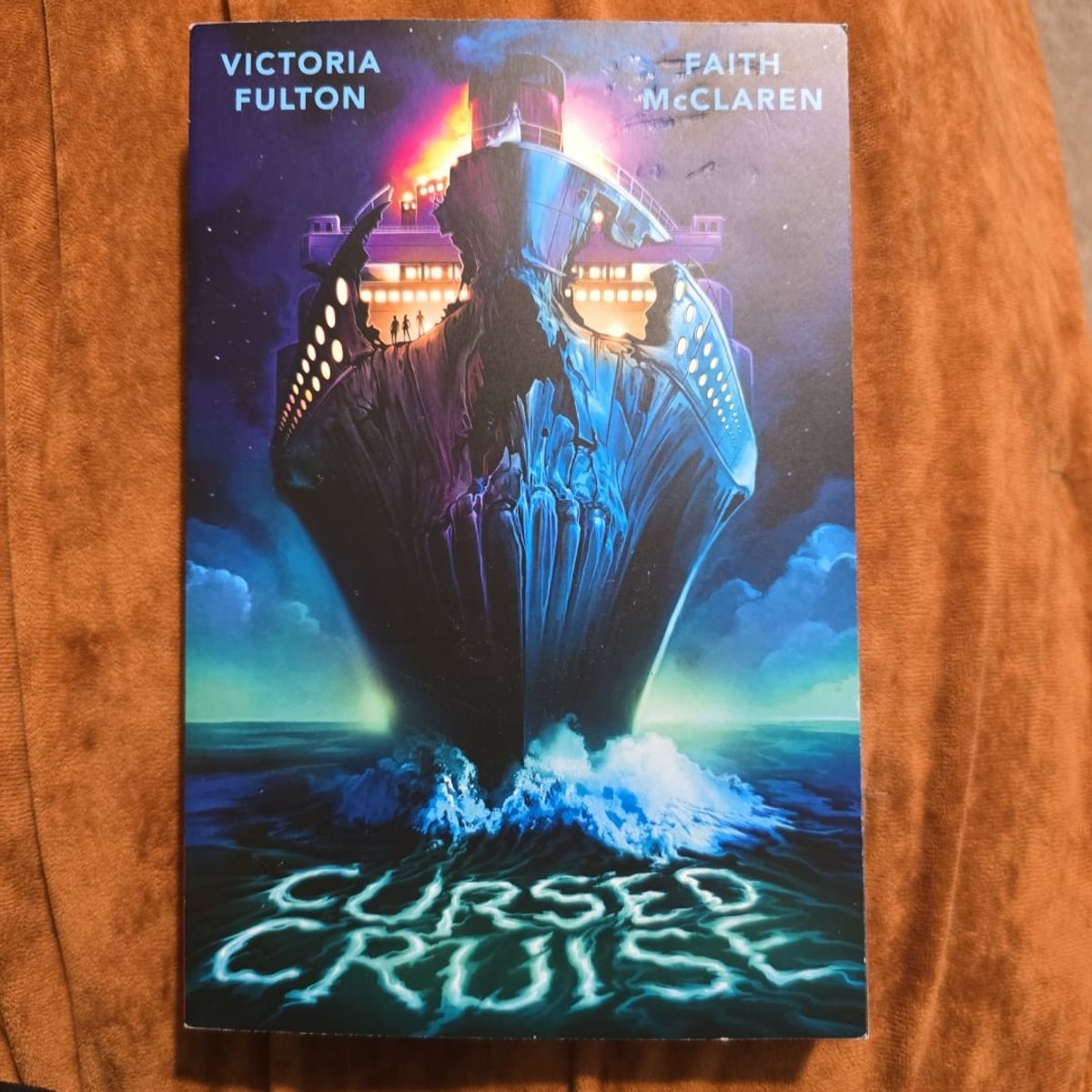
The genesis of the failure can be traced to aggressive capital allocation strategies that prioritized rapid market entry over rigorous infrastructure scalability. Promoters leveraged optimistic valuation multiples to secure initial funding, relying on advance passenger deposits to finance ongoing refits and dry-dock maintenance. However, the vessel selected for the inaugural voyage—an aging cruise liner requiring extensive retrofitting—immediately presented engineering challenges.
As the vessel entered its overhaul phase, project managers encountered escalating costs driven by global supply chain disruptions and stringent environmental compliance mandates. To preserve cash flow, management deferred critical maintenance schedules and bypassed vital cloud compute architecture updates necessary for seamless onboard operations and modern connectivity. These shortcuts triggered a cascading series of mechanical failures shortly after departure. Engine room malfunctions, compromised freshwater systems, and malfunctioning wastewater infrastructure paralyzed the ship, stranding passengers in secondary ports for weeks at a time.
Compounding the technical breakdown was a profound failure in risk mitigation. The corporate entity structuring the venture lacked the balance-sheet depth required to absorb prolonged dry-docking and legal indemnity claims. When passengers demanded refunds or alternative accommodations, escrow accounts were found to be critically underfunded, sparking class-action lawsuits and regulatory interventions across multiple international maritime authorities.
Verified Data and Metrics Breakdown
A rigorous examination of corporate filings, maritime registries, and legal disclosures reveals the stark financial and operational realities that underpinned the collapse:
| Metric / Parameter | Projected / Marketing Claim | Actual Operational Reality | Financial / Legal Impact |
|---|---|---|---|
| Initial Refit Budget | $40 Million | $95+ Million | Severe liquidity depletion; emergency debt financing. |
| Departure Adherence | 100% On-Schedule | Delayed by 8+ Months | Breach of contract claims and immediate reputational damage. |
| Passenger Escrow Security | Fully Bonded & Insured | Disbursed for Operating Expenses | Insolvent recovery funds; multi-jurisdictional lawsuits. |
| Onboard Infrastructure Uptime | 99.9% Redundancy | Chronic Power & Sanitation Outages | Forced port abandonments and international health citations. |
Industry and Market Implications
The fallout from the cursed cruise extends far beyond a single failed enterprise, sending shockwaves through the broader maritime, hospitality, and alternative real estate sectors. Investors who previously viewed residential seafaring as a lucrative frontier for asset diversification are now re-evaluating their risk thresholds.
Who Loses: Investors, Residents, and Legacy Operators
The primary victims are, naturally, the individual buyers who invested life savings into cabin leases, many of whom faced complete capital loss alongside months of logistical displacement. Furthermore, private equity sponsors and early-stage venture backers absorbed heavy write-downs, as recovery values for distressed cruise tonnage remain depressed. Legacy cruise operators also face collateral damage; increased scrutiny from port authorities and international maritime agencies means higher compliance costs and tighter operational audits across the entire commercial fleet.
Who Wins: Boutique Refitters and Regulatory Specialists
Conversely, maritime restructuring attorneys, forensic accountants, and specialized admiralty law firms are experiencing unprecedented demand. Additionally, boutique shipyards capable of executing complex, high-compliance marine conversions are tightening their contract terms, demanding more robust escrow protections and sovereign guarantees before taking on experimental residential projects.
Frequently Asked Questions (People Also Ask)
What caused the permanent residential cruise to fail financially?
The venture suffered from severe capital misallocation, underestimating the massive dry-dock and retrofitting costs required to bring an aging vessel up to modern residential and environmental standards. When advance deposits were prematurely funneled into operational expenses rather than protected escrow accounts, the company lost its financial buffer, leading to insolvency when mechanical delays pushed expenses past sustainable limits.
Are passengers able to recover their investments through legal action?
Recovery prospects remain highly complex and litigious. Because the corporate entity structured the vessel ownership through multi-jurisdictional shell companies and offshore registrations, asset tracing has proven difficult. While class-action lawsuits have secured provisional injunctions, unsecured creditors and residential buyers rank behind secured maritime lenders in liquidation priority.
How do regulatory standards differ for standard cruise ships versus permanent residential vessels?
Standard cruise ships operate under well-established SOLAS (Safety of Life at Sea) conventions and transient passenger frameworks. Permanent residential ships, however, blur the lines between maritime transport and residential real estate. They trigger complex tax residency questions, local zoning equivalencies in port cities, and stringent long-term waste management and health codes that traditional vessels are not universally designed to meet.
Will the concept of perpetual sea-living survive this disaster?
Yes, but with stringent evolutionary changes. Future iterations of sea-living ventures are shifting away from high-risk, debt-heavy startup models toward partnerships with established cruise conglomerates that possess robust balance sheets, proven supply chains, and existing infrastructure scalability.
Future Outlook and Key Milestones to Watch
The collapse of the cursed cruise serves as a sobering watershed moment for high-end experiential travel. As the liquidation process winds through international maritime courts, industry analysts are monitoring several critical milestones to gauge the sector's trajectory:
- Regulatory Reform: Anticipated updates to international maritime law regarding long-term consumer asset protection and mandatory escrow segregation for residential vessel sales.
- Institutional Capital Tightening: Private equity and venture capital firms implementing stricter enterprise ROI hurdles and mandatory technical audits before funding novel maritime concepts.
- Asset Salvage Outcomes: The impending auction and repurposing of the distressed vessel will test current secondary-market liquidity for aging cruise tonnage.
Ultimately, the romance of the open sea will continue to captivate visionary entrepreneurs and affluent travelers alike. However, the era of unmitigated optimism is officially over. Surviving in the high-stakes arena of permanent maritime living now requires uncompromising financial discipline, flawless engineering execution, and an absolute adherence to regulatory compliance.