Executive Takeaways
- Strategic Open-Sourcing: DeepSeek has released its high-performance inference engine, DeepInfer, running the V4.1-Flash model across NVIDIA hardware stacks, establishing an aggressive developer footprint.
- The Missing Link: While the front-facing architecture is publicly accessible, critical proprietary cost-saving components and low-level kernel optimizations remain tightly withheld behind closed doors.
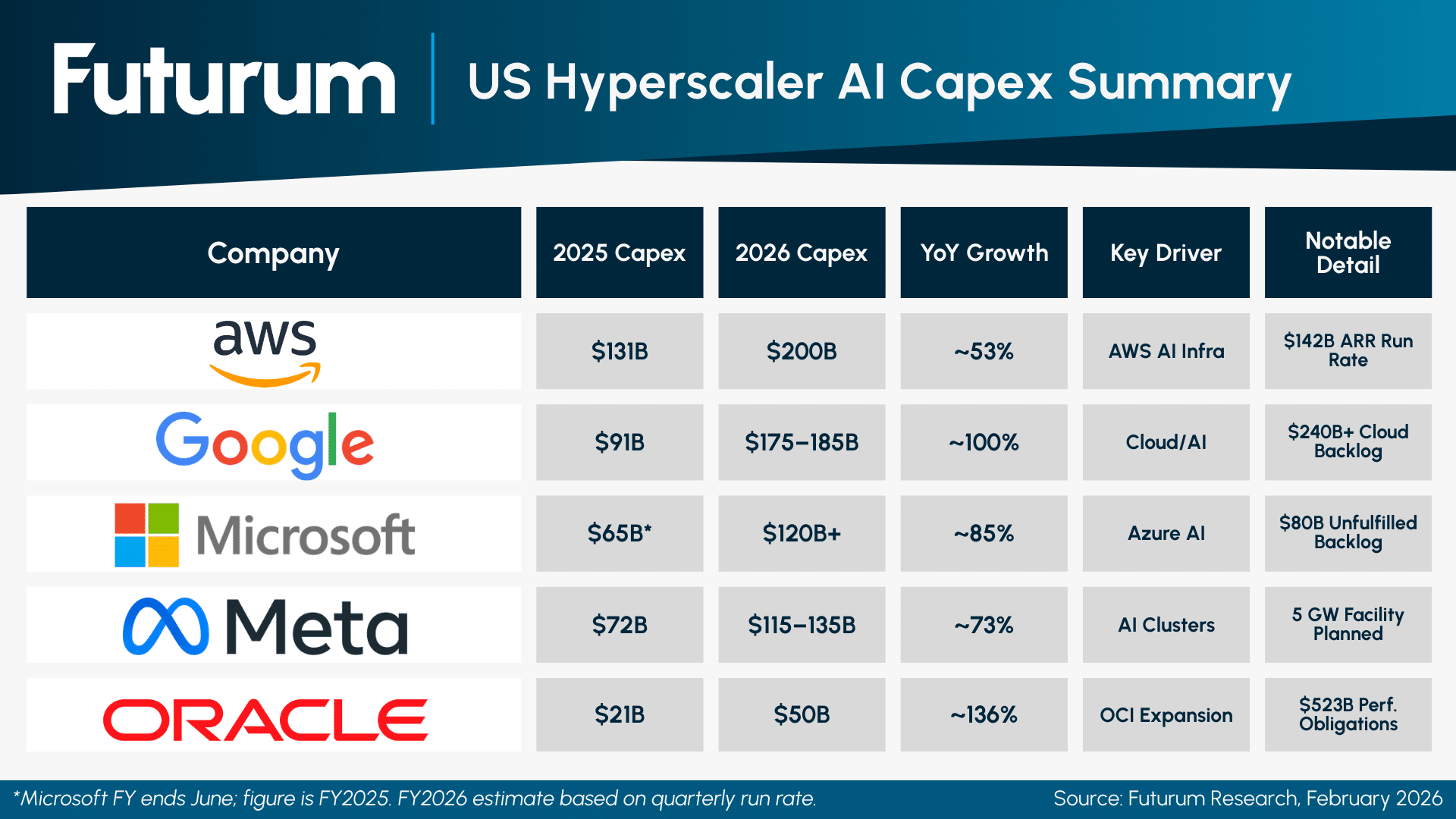
- Market Disruption: This calculated bifurcation challenges Western enterprise ROI models, forcing cloud giants and semiconductor heavyweights to reassess capital allocation and infrastructure scalability.
- Geopolitical & Financial Fallout: Wall Street and tech conglomerates are scrambling to re-price valuation multiples as software-driven efficiency gains threaten traditional hardware-heavy moats.
For months, global financial markets and Silicon Valley boardrooms have fixated on a singular, disruptive narrative: the relentless rise of DeepSeek. The algorithmic challenger from Hangzhou has consistently upended traditional Silicon Valley economics, proving that state-of-the-art artificial intelligence does not require an astronomical capital expenditure budget. Now, in what is shaping up to be a masterclass in strategic market positioning, DeepSeek has open-sourced its flagship inference engine, DeepInfer—while conspicuously withholding the exact proprietary components responsible for its legendary cost-efficiency.
According to primary wire reports from Tech Times five days ago, the release of DeepInfer—designed to run the V4.1-Flash model seamlessly on NVIDIA infrastructure—marks a major pivot in the global AI landscape. Yet, beneath the veneer of open-source benevolence lies a calculated commercial strategy. By giving developers the shell while keeping the crown jewels locked away, DeepSeek is rewriting the rules of infrastructure scalability, forcing enterprise buyers, cloud service providers (CSPs), and semiconductor architects into a precarious position of dependency and re-evaluation.
The Anatomy of the Release: What DeepInfer Delivers and What It Conceals
Test Our Free AI & Tech Utilities Suite
Calculate LLM API token costs, analyze article dwell-time, or simulate tech DCA returns.
The introduction of DeepInfer is, on its own merits, a formidable engineering achievement. Built to optimize the execution of the V4.1-Flash model, the inference engine leverages advanced memory management, speculative decoding frameworks, and asynchronous data pipelines tailored specifically for NVIDIA’s high-end hardware ecosystems. For enterprise developers seeking lower latency and higher throughput, DeepInfer offers an immediate, out-of-the-box performance boost that rivals proprietary solutions from Western hyperscalers.
However, an exhaustive analysis of the codebase by senior systems architects reveals a glaring omission. The core algorithmic routines responsible for extreme compute compression—the secret sauce that slashed inference costs by orders of magnitude compared to legacy models—were omitted from the public repository. This selective transparency allows DeepSeek to foster a robust developer ecosystem, drive widespread adoption of its API standards, and collect telemetry data, all while protecting its ultimate economic moat from replication by well-heeled competitors.
This dual-track approach has profound implications for enterprise risk mitigation. Chief Technology Officers evaluating DeepInfer must now weigh the immediate efficiency gains against the long-term vendor lock-in risks associated with a partially opaque software stack. When the underlying cost-saving architecture remains proprietary, organizations surrender ultimate control over their long-term operational expenditures, leaving them vulnerable to future licensing pivots or pricing adjustments.
Market Liquidity, Capital Allocation, and the NVIDIA Hardware Paradox

The fallout from DeepSeek’s calculated open-source strategy extends far beyond developer forums; it is currently reverberating through Wall Street trading desks and venture capital portfolios. For years, the prevailing market consensus dictated a linear relationship between compute density and market valuation: more GPUs equaled higher intelligence, which in turn justified soaring enterprise valuations.
DeepSeek’s algorithmic breakthroughs—and now its targeted deployment of DeepInfer—fundamentally shatter this paradigm. By demonstrating that sophisticated software orchestration can extract maximum utility from existing hardware, DeepSeek threatens to decelerate the frantic pace of enterprise hardware procurement. If organizations can achieve comparable performance using optimized inference engines rather than raw hardware brute force, capital allocation strategies will inevitably shift away from aggressive capital expenditure on silicon toward lean, software-driven optimization.
Yet, a fascinating paradox emerges when examining the hardware layer. DeepInfer's explicit optimization for NVIDIA architecture demonstrates that even as software innovations undermine the sheer volume demand for GPUs, the underlying hardware dominance of specific silicon ecosystems remains entrenched. NVIDIA is not necessarily the loser in this equation; rather, the entire enterprise software stack is being forced to adapt to a new efficiency ceiling where gross margins will be defined by algorithmic ingenuity rather than hardware subsidies.
Verified Data & Specifications Breakdown
| Metric / Parameter | DeepInfer Public Release | Withheld Proprietary Layer | Strategic Enterprise Impact |
|---|---|---|---|
| Model Compatibility | V4.1-Flash | Next-gen MoE routing logic | Standardizes front-end while securing core IP. |
| Hardware Target | NVIDIA CUDA Ecosystem | Custom low-level memory kernels | Locks developers into NVIDIA while keeping margins private. |
| Cost Efficiency Metric | Standardized benchmark gains | Proprietary token-reduction algorithms | Forces competitors to guess true operational cost baselines. |
| Regulatory Compliance | Open-source audit trail | Closed-box optimization binaries | Complicates compliance audits for highly regulated sectors. |
Industry & Market Implications: Who Wins and Who Loses
As corporate legal teams and chief information officers dissect the DeepInfer repository, clear dividing lines are emerging across the global tech economy:
- The Winners:
- Lean Enterprise Startups: Agile companies can immediately leverage DeepInfer to slash cloud hosting overhead, improving their enterprise ROI and accelerating path-to-profitability metrics.
- DeepSeek’s Parent Entity: By dominating developer mindshare without surrendering its core trade secrets, DeepSeek cements its status as a global standard-setter in cost-efficient AI.
- The Losers:
- Western Hyperscalers: Cloud giants who built massive, high-margin inference pricing models around bloated compute requirements now face severe downward pricing pressure.
- Traditional Proprietary AI Labs: Companies relying strictly on closed, expensive models must justify their steep subscription fees against a competitor offering high-speed open-source alternatives.
This dynamic introduces acute regulatory and compliance challenges. In sectors bound by strict regulatory compliance—such as finance, healthcare, and defense—deploying a hybrid open-source architecture with withheld proprietary binaries creates significant friction. Risk officers must determine whether an opaque optimization layer introduces compliance vulnerabilities regarding data provenance, auditability, and algorithmic bias.
Frequently Asked Questions (People Also Ask)
1. Why did DeepSeek open-source DeepInfer while withholding key cost-saving components?
By open-sourcing the inference engine framework for models like V4.1-Flash, DeepSeek drives massive developer adoption, establishes ecosystem ubiquity, and collects valuable telemetry data. Simultaneously, withholding the proprietary cost-saving components protects their core competitive moat, preventing Western competitors and rival tech giants from freely replicating their breakthrough economic efficiencies.
2. What hardware does DeepInfer support, and is it limited to NVIDIA?
According to reports from Tech Times, DeepInfer is currently optimized to run the V4.1-Flash model heavily on NVIDIA hardware architectures. While its modular design suggests future adaptability, its immediate utility is deeply intertwined with the NVIDIA software stack (CUDA), reinforcing the hardware giant's dominant market position.
3. How does this release impact enterprise ROI and cloud computing costs?
For enterprises, DeepInfer offers an opportunity to significantly reduce operational expenditures associated with AI model deployment. However, because the true cost-optimizing algorithms remain proprietary, organizations must carefully evaluate long-term vendor dependency and potential pricing shifts as DeepSeek monetizes its underlying IP.
4. Are there regulatory or security risks associated with using partially open-source AI engines?
Yes. In highly regulated industries, the presence of closed-source, withheld binaries within an otherwise open-source inference engine complicates compliance audits, security verification, and data governance assessments. Risk mitigation teams must conduct rigorous vetting before integrating such systems into mission-critical workflows.
Future Outlook: Strategic Milestones to Watch
The release of DeepInfer is merely the opening salvo in a broader structural transformation of the artificial intelligence economy. Over the next twelve to eighteen months, market participants must monitor several critical milestones:
- Competitor Reverse-Engineering Efforts: Watch for independent research teams and rival labs attempting to recreate DeepSeek’s withheld cost-saving components through clean-room engineering and alternative optimization techniques.
- Hyperscaler Pricing Responses: Anticipate aggressive price slashing and proprietary inference optimizations from major cloud providers (AWS, Microsoft Azure, Google Cloud) as they attempt to neutralize DeepInfer’s cost advantage.
- Monetization Pivots: Closely track how DeepSeek transitions its developer ecosystem into a revenue-generating machine, particularly whether they introduce tiered licensing for the withheld proprietary components.
- MRegulatory Scrutiny: Expect increased oversight from international trade and security bodies regarding the cross-border integration of partially open-source AI infrastructure in sensitive enterprise sectors.
Ultimately, DeepSeek’s calculated maneuver proves that the next phase of the AI boom will not be won by sheer capital expenditure alone, but by tactical mastery of software efficiency, intellectual property protection, and global market positioning. As valuation multiples adjust to this new reality, corporate leadership teams must adapt their infrastructure strategies—or risk being priced out of the market entirely.