Inside the $690B Infrastructure Sprint: How Big Tech's AI Capex Gamble Reshapes Global Power and Markets
Test Our Free AI & Tech Utilities Suite
Calculate LLM API token costs, analyze article dwell-time, or simulate tech DCA returns.
By Our Senior Bureau Chief & Chief Investigative Editor | Updated Feb 12, 2026
Executive Takeaways
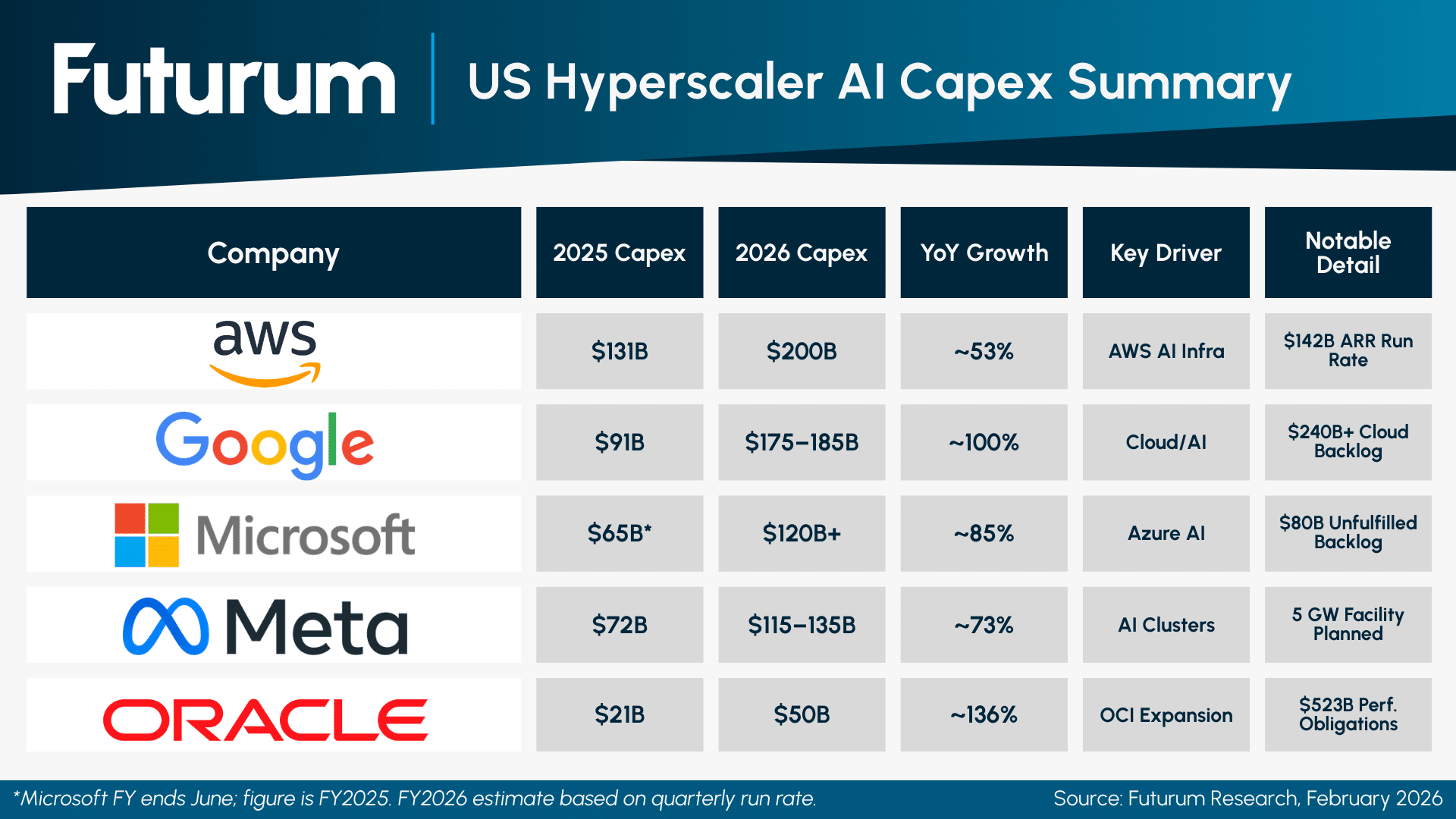
- Historic Capital Allocation: Aggregate capital expenditures among the five leading US hyperscalers—Microsoft, Alphabet, Amazon, Meta, and Apple—are projected to surpass $690 billion in 2026, marking the most aggressive infrastructure deployment in corporate history.
- Energy & Compute Bottlenecks: The unprecedented sprint for cloud compute architecture has outpaced regional power grids, forcing tech giants into direct partnerships with nuclear and renewable energy suppliers.
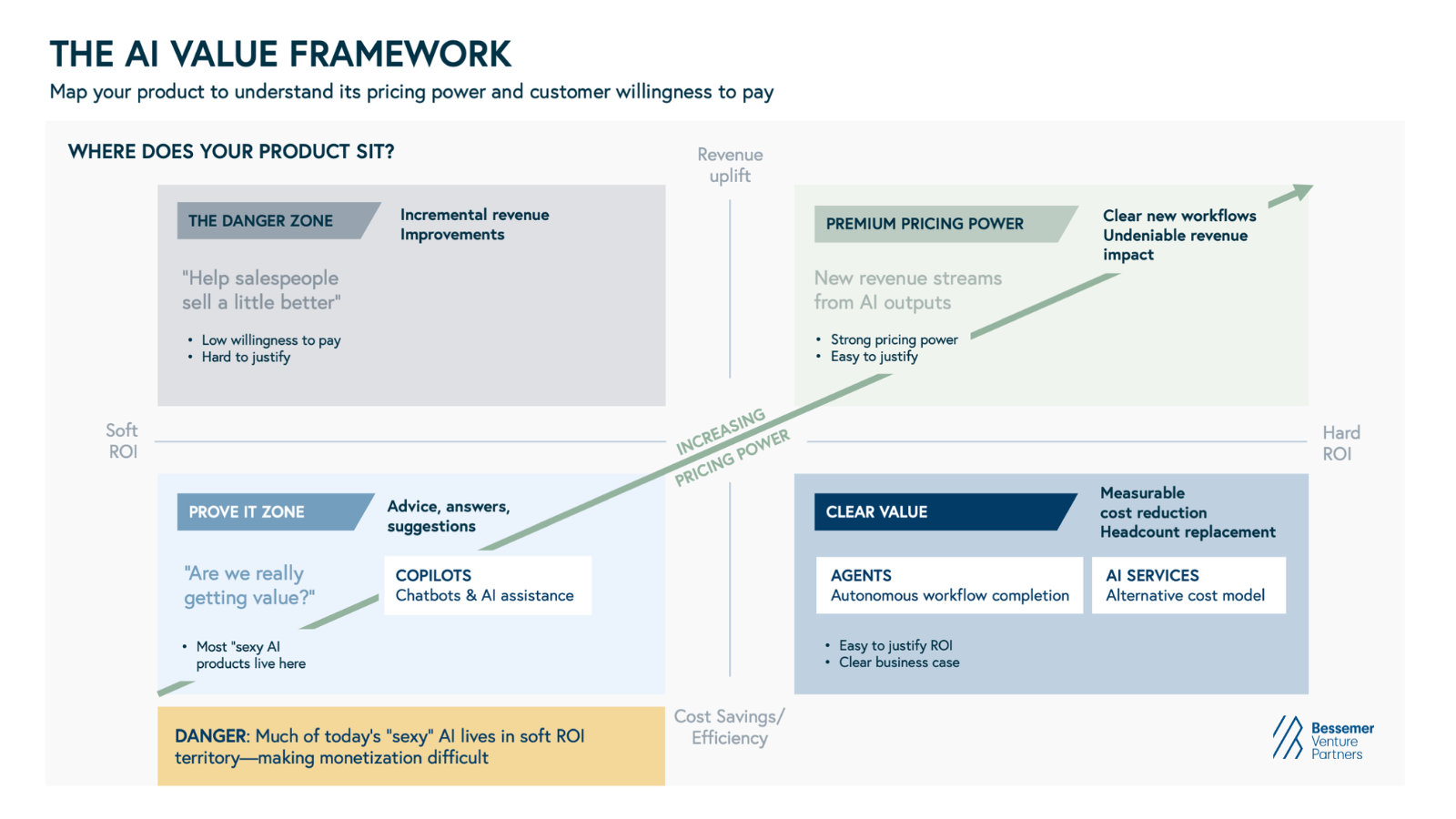
- Enterprise ROI Pressures: With valuation multiples resting heavily on sustained growth, Wall Street analysts are intensifying scrutiny over enterprise monetization timelines and risk mitigation strategies.
- Supply Chain Realignment: Advanced silicon supply chains, high-voltage electrical equipment, and liquid-cooling manufacturing are operating at full capacity, creating a high-stakes arena for industrial winners and losers.
The Architecture of an Unprecedented Capital Surge
The global technology landscape is experiencing a structural transformation of historic proportions. According to foundational market research from The Futurum Group, highlighted in their seminal report AI Capex 2026: The $690B Infrastructure Sprint, and corroborated by tracking from IEEE ComSoc and CreditSights, the financial commitment to artificial intelligence infrastructure has entered a hyper-exponential phase. The five largest US cloud and AI infrastructure providers are no longer just expanding data center footprints; they are aggressively redesigning the foundation of the global digital economy.
This massive wave of capital expenditure is driven by an unyielding race for dominance in generative artificial intelligence and large-scale agentic systems. As model parameters scale into the trillions and inference workloads surge globally, enterprise tech giants face a singular, unforgiving imperative: secure sufficient compute capacity or risk irrelevance. However, this relentless infrastructure scalability brings unprecedented financial and operational risks, transforming boardrooms across Silicon Valley and Wall Street.
The Shift from Experimental to Industrial-Scale Compute
During the initial phase of the generative AI boom, capital allocation was largely experimental, focused on training foundational models across localized GPU clusters. By 2026, that landscape has fundamentally shifted. Hyperscalers are deploying industrial-grade campuses capable of drawing gigawatts of power, housing hundreds of thousands of specialized accelerators interconnected by ultra-low-latency optical networking fabrics.
This shift requires a complete reimagining of cloud compute architecture. Traditional air-cooled server rooms have been rendered obsolete by the sheer thermal density of next-generation hardware. Consequently, multi-billion-dollar investments are flowing directly into advanced liquid-cooling systems, cryogenic cooling research, and modular data center construction. The race is no longer just about buying silicon; it is about engineering facilities that can sustain continuous, high-intensity workloads without triggering grid failures.
Verified Data & Metrics Breakdown Table

To contextualize the scale of the 2026 infrastructure sprint, the following comparative breakdown synthesizes projections from Futurum Intelligence, IEEE ComSoc, and leading financial credit analysts:
| Metric / Parameter | 2024 Baseline | 2025 Actualized | 2026 Projections (Futurum / CreditSights) |
|---|---|---|---|
| Combined Hyperscaler Capex | ~$210 Billion | ~$420 Billion | $690 Billion |
| Average Data Center Power Density | 10–15 kW per rack | 30–50 kW per rack | 100k+ kW / Gigawatt Campuses |
| Primary Bottleneck | GPU Silicon Supply | Substation & Transmission Grid | Baseload Power & Liquid Cooling |
| Enterprise ROI Horizon | 12–18 Months (Experimental) | 18–24 Months (Hybrid) | Immediate Operational Monetization |
Industry & Market Implications: Winners, Losers, and Economic Realities
The $690 billion capital injection is reshaping entire industrial ecosystems. Understanding who captures this value—and who absorbs the structural liabilities—requires a rigorous examination across three distinct vectors:
1. The Industrial and Energy Beneficiaries
While software and platform giants command public attention, the primary beneficiaries of this capital sprint are industrial, electrical, and energy enterprises. Power generation companies, particularly those controlling nuclear, geothermal, and advanced natural gas infrastructure, have secured unprecedented long-term power purchase agreements (PPAs) with hyperscalers. Furthermore, manufacturers of heavy electrical equipment—such as step-up transformers, high-voltage switchgear, and advanced cooling apparatuses—are experiencing multi-year order backlogs, translating into exceptional pricing power and expanding valuation multiples.
2. The Hardware and Foundry Oligopoly
The semiconductor supply chain remains tightly concentrated among a handful of critical foundries and design leaders. Advanced packaging capacity (such as chip-on-wafer-on-substrate technology) remains the definitive gatekeeper for high-end AI accelerators. Companies capable of scaling production while maintaining yield efficiency are capturing historic margins, while second-tier competitors struggle to keep pace with rapid generational shifts in silicon design.
3. The Risk Mitigation Dilemma for Wall Street
Financial analysts are increasingly vocal about the risk-reward profile of these staggering outlays. CreditSights and other institutional research bodies have highlighted that while cash flows from core cloud businesses remain robust, the sheer magnitude of depreciation expenses and capital consumption will weigh heavily on free cash flow metrics if enterprise software monetization stalls. Market liquidity is being tested as institutional investors demand concrete proof of enterprise ROI to justify sustained equity valuations.
Frequently Asked Questions (People Also Ask)
What is driving the $690 billion AI capex surge in 2026?
The $690 billion infrastructure sprint is driven by the urgent need among the top five US hyperscalers (Microsoft, Alphabet, Amazon, Meta, and Apple) to expand data center capacity, secure advanced silicon, and build high-density compute architectures capable of handling massive generative AI training and real-time enterprise inference workloads.
How are tech companies solving the severe data center power shortage?
To overcome grid congestion and power constraints, hyperscalers are increasingly bypassing traditional utility timelines by investing directly in zero-carbon energy sources, including restarting nuclear power plants, funding advanced small modular reactors (SMRs), and contracting directly with renewable energy developers for dedicated behind-the-meter generation.
What are the primary financial risks associated with this level of capital expenditure?
The core financial risks involve capital allocation efficiency, potential asset obsolescence due to rapid hardware iterations, and compressed free cash flows. If enterprise customers do not adopt AI applications rapidly enough to offset infrastructure depreciation, hyperscalers could face downward pressure on their valuation multiples and return on invested capital.
Which industries outside of big tech benefit most from the AI infrastructure boom?
Beyond software giants, the primary winners include electrical equipment manufacturers, heavy industrial suppliers, nuclear and clean energy providers, specialized real estate investment trusts (REITs) focused on data centers, and advanced liquid-cooling engineering firms.
Future Outlook: Critical Milestones and Regulatory Horizons
As the industry navigates the remainder of 2026 and looks toward the horizon, several critical milestones will dictate whether this infrastructure sprint solidifies a permanent economic paradigm shift or triggers a cyclical correction. Regulatory compliance regarding energy consumption, environmental impact, and grid stability will become increasingly stringent, particularly in key data center hubs across North America and Europe.
Executive leadership across the major cloud providers must balance aggressive capacity expansion with rigorous risk mitigation frameworks. As enterprise customers demand transparent, measurable ROI from their AI deployments, the pressure will shift from raw infrastructure accumulation to software efficiency and application-level monetization. The outcome of this $690 billion gamble will define the corporate hierarchy of the global technology sector for the next decade.