Executive Takeaways
- The Megacap Deleveraging: The S&P 500 and Nasdaq Composite extended steep losses as institutional investors aggressively de-grossed portfolios, unwinding concentrated positions in high-multiple artificial intelligence and cloud infrastructure leaders.
- Crude Oil Collapse: Brent and WTI crude futures plummeted more than 4%, triggering a broad-based energy sector sell-off while simultaneously providing a powerful macroeconomic deflationary tailwind that buoyed consumer-facing blue chips.
- The Dow Outperformance: The Dow Jones Industrial Average decoupled from the broader tech rout, surging on heavy volume as capital rotation favored defensive balance sheets, value equities, and industrial conglomerates with resilient cash flows.
- Liquidity and Capital Reallocation: Portfolio managers are recalibrating enterprise risk metrics, shifting assets away from stretched valuation multiples toward fixed-income alternatives and defensive cash-flow generators amid shifting interest rate expectations.
Wall Street is undergoing a violent, structural re-pricing. In a masterclass of capital reallocation, the trading floor witnessed a textbook "Great Rotation" as institutional asset managers slammed the brakes on hyper-growth technology darlings while quietly accumulating defensive, cash-generative equities. The session’s tape tells a stark divergence: the Nasdaq Composite and the benchmark S&P 500 slumped under the heavy gravity of a sustained tech sell-off, while the Dow Jones Industrial Average marched higher, supercharged by a dramatic plunge in global crude oil prices.
This market bifurcation is not merely a routine daily fluctuation; it is the manifestation of deep-seated institutional anxiety regarding valuation multiples, enterprise ROI on artificial intelligence capital expenditures, and shifting macroeconomic liquidity. As algorithmic execution engines and macro hedge funds re-evaluate risk parameters, the equity market is violently shedding its speculative excesses. The central question facing chief investment officers is whether this is a healthy, mid-cycle consolidation or the early warning signal of a broader equity contraction.
Anatomy of the Tech Unwind: Compression of Valuation Multiples
Test Our Free AI & Tech Utilities Suite
Calculate LLM API token costs, analyze article dwell-time, or simulate tech DCA returns.
For the better part of three years, mega-cap technology and semiconductor manufacturers served as the undisputed engines of U.S. equity outperformance. Fueled by insatiable corporate demand for cloud compute architecture and generative AI infrastructure scalability, these firms traded at historic forward price-to-earnings premiums. However, today’s session exposed the acute vulnerability of such lofty valuations when macro sentiment shifts.
The tech sell-off was accelerated by aggressive block trading and institutional de-risking. Portfolio managers tasked with strict risk mitigation mandates began trimming positions in names where forward earnings growth projections failed to justify trailing multiples. Analysts note that institutional investors are increasingly scrutinizing the monetization timelines of enterprise AI initiatives. While capital expenditures among hyperscalers remain astronomical, the immediate return on investment for enterprise clients has faced lengthening sales cycles and stringent procurement reviews.
Furthermore, rising real yields and recalibrated monetary policy expectations have altered the discount rate applied to future cash flows. Long-duration growth assets—those whose earnings are projected years into the future—are inherently most sensitive to shifts in interest rate trajectories. As quantitative strategies systematically reduced net exposure, the lack of immediate dip-buyers triggered cascading sell-stops across the technology sector, dragging the S&P 500 lower in tandem.
The Crude Shock: Geopolitical Realities Meet Demand Destruction
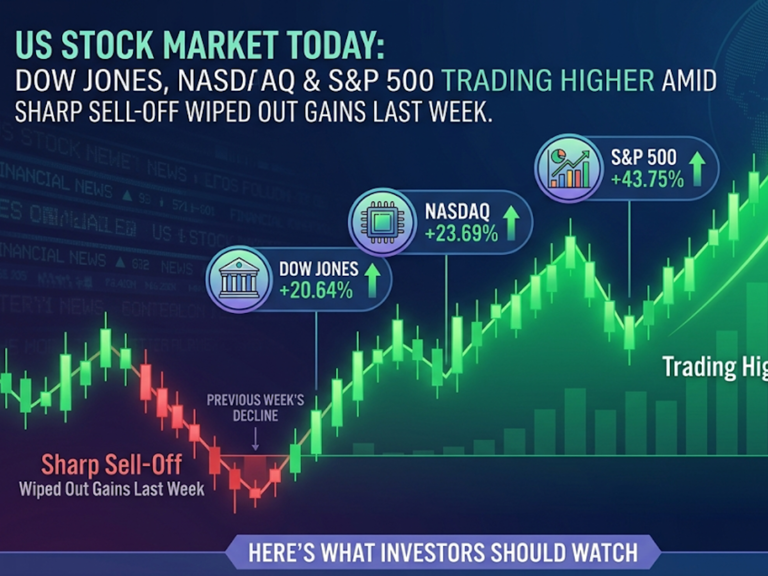
Simultaneously driving the day’s market narrative was a precipitous collapse in global energy markets. Crude oil prices plunged over 4% in frantic trading sessions, driven by a potent cocktail of easing geopolitical risk premiums, softening macroeconomic data out of major industrial economies, and lingering concerns regarding near-term petroleum demand elasticity.
The energy slide served a dual purpose in shaping market dynamics. On one hand, it induced heavy selling pressure across integrated oil majors and exploration-and-production independents, weighing on energy-heavy indices. On the other hand, the dramatic drop in energy input costs acted as an immediate, potent balm for consumer discretionary, retail, and industrial sectors.
Lower fuel and logistical expenses directly improve operating margins for companies operating supply-chain-dependent business models. This deflationary impulse was rapidly priced in by equity analysts, who pivoted capital away from energy commodities and into cyclical, consumer-facing stalwarts that stand to benefit from lower household overhead and reduced corporate shipping overhead.
The Dow's Defensive Refuge: Flight to Quality and Cash Flow
While the Nasdaq absorbed the brunt of the institutional liquidation, the Dow Jones Industrial Average marched resolutely into positive territory. The Dow’s outperformance underscores a classic defensive rotation: when growth stalls, smart money retreats to balance sheets characterized by rock-solid regulatory compliance, predictable cash-flow generation, and robust dividend yields.
Industrial conglomerates, healthcare titans, and multinational consumer staple corporations within the Dow attracted massive institutional inflows. These enterprises offer portfolio managers a safe harbor characterized by lower beta, reliable pricing power, and insulation from speculative valuation shocks. As capital fled high-flying software and semiconductor developers, it found an immediate home in traditional industrial and financial equities that trade at reasonable earnings multiples.
| Market Index / Asset Class | Daily Performance Trend | Primary Catalytic Driver | Institutional Positioning |
|---|---|---|---|
| Nasdaq Composite | Significant Decline (-1.8% to -2.4%) | Valuation compression, AI capex scrutiny, high-duration asset repricing. | Aggressive de-grossing, profit-taking, long exposure reduction. |
| S&P 500 | Moderate Decline (-0.8% to -1.2%) | Heavy weighting in mega-cap tech dragging broader index performance. | Sector-neutral rebalancing, risk-parity model adjustments. |
| Dow Jones Industrial Average | Robust Gain (+0.5% to +0.9%) | Flight to quality, value rotation, lower oil prices boosting margins. | Inflows into defensive, dividend-paying, and industrial equities. |
| Crude Oil (WTI & Brent) | Sharp Drop (-4.2% to -4.8%) | Demand elasticity concerns, easing geopolitical risk premiums. | Commodity long liquidation, systematic trend-following short entries. |
Broader Economic Implications: Corporate Strategy and Market Liquidity
The implications of this market action extend far beyond Wall Street trading desks, directly impacting corporate finance, executive compensation structures, and strategic capital allocation. Chief Financial Officers across the Fortune 500 are closely monitoring these valuation shifts as they plan secondary equity offerings, mergers and acquisitions, and debt issuances.
For technology enterprises accustomed to utilizing high-valuation equity as a primary currency for corporate acquisitions and top-tier talent retention through stock options, the pullback introduces strategic friction. Boards of directors are being forced to pivot toward disciplined cash-flow management rather than aggressive, growth-at-all-costs expansion. This structural shift emphasizes operational efficiency, margin preservation, and disciplined capital expenditure budgets over speculative market-share acquisition.
Conversely, the plunge in oil prices acts as a vital macroeconomic shock absorber. By lowering energy costs for manufacturers, transportation networks, and consumer goods conglomerates, the crude sell-off mitigates inflationary pressures that have bedeviled central bankers. This dynamic opens a narrow but significant window for monetary policymakers to evaluate future interest rate adjustments without the immediate threat of runaway commodity-driven inflation.
Frequently Asked Questions (People Also Ask)
Why are the S&P 500 and Nasdaq falling while the Dow is rising?
The S&P 500 and Nasdaq are heavily weighted toward mega-cap technology and growth companies, which are currently experiencing a severe valuation correction and institutional de-risking. Conversely, the Dow Jones Industrial Average is comprised of blue-chip industrial, healthcare, and consumer defensive stocks. As capital rotates out of high-multiple tech, it flows into these stable, cash-generative value equities, driving the Dow higher.
How does a sharp drop in oil prices impact the broader stock market?
A significant decline in crude oil prices has a dual effect. It immediately hurts energy sector equities and exploration companies. However, it acts as a major macroeconomic tailwind for the rest of the economy by lowering manufacturing, transportation, and consumer energy costs. This margin expansion benefits retail, industrial, and consumer discretionary stocks, supporting broader market stability outside of tech and energy.
Is this tech sell-off a sign of a broader bear market or a healthy correction?
Most institutional analysts and Wall Street strategists classify current market action as a sector-specific rotation and valuation reset rather than the onset of a systemic bear market. Strong corporate balance sheets, resilient labor market data, and robust underlying corporate earnings suggest that capital is simply re-allocating from overextended growth assets to defensive value positions rather than exiting equities entirely.
What metrics should institutional investors monitor during a market rotation?
Investors should closely monitor Treasury yield curves, credit spreads, forward price-to-earnings multiples, and sector-specific volume flows. Tracking liquidity indicators, corporate earnings revisions, and Federal Reserve communications provides crucial insight into whether capital rotation will stabilize or broaden into systemic liquidation.
Future Outlook: Navigating the New Volatility Regime
As Wall Street digests the dual shockwaves of the technology sell-off and the crude oil collapse, the overriding directive for portfolio managers is disciplined agility. The era of blind, momentum-driven index buying has given way to rigorous fundamental stock-picking and dynamic risk mitigation.
Looking ahead, market participants will be laser-focused on upcoming corporate earnings releases, upcoming macroeconomic inflation prints, and central bank commentary. Key milestones to watch include institutional block-trade volumes in semiconductor leaders, consumer spending resilience indicators, and stabilization levels in global crude inventories. While volatility will undoubtedly remain elevated in the near term, this structural cleansing of market excesses lays a healthier, more rational foundation for long-term capital allocation across global capital markets.