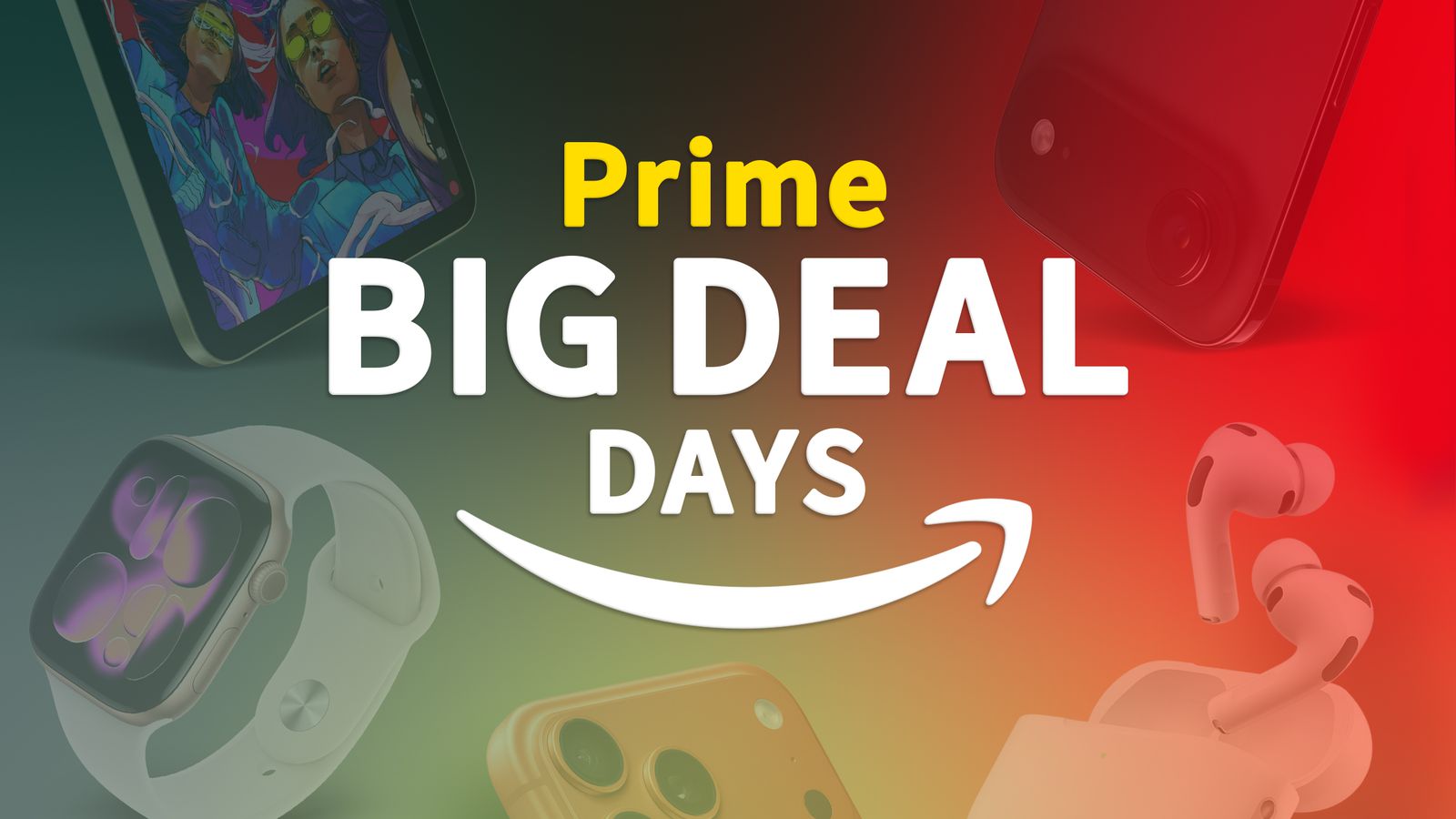
SEATTLE, WA — In a move that has sent shockwaves through both the e-commerce sector and consumer electronics markets, Amazon has officially launched a aggressive wave of Prime Day discounts targeting Apple’s most coveted hardware. From the critically acclaimed MacBook Air M3 to the ubiquitous AirPods Pro and flagship iPads, the retail giant is leveraging steep margin cuts on premium tech to anchor its mid-year shopping spectacular.
As inflationary pressures continue to weigh on discretionary consumer spending, this strategic pricing maneuver represents more than just a seasonal clearance. It is a highly calculated bid by Amazon to secure ecosystem lock-in, drive Prime subscription sign-ups, and pre-emptively capture wallet share ahead of the traditional back-to-school and autumn product refresh cycles. For Apple, the event serves as a high-volume liquidation channel for current-generation inventory as Cupertino prepares its supply chains for late-year hardware updates.
Executive Summary: Prime Day’s Marquee Apple Discounts
- The Flagship Deal: The 13-inch MacBook Air (M3, 8GB RAM, 256GB SSD) has plummeted to an all-time low of $899, representing a massive $200 discount.
- Audio Domination: Apple’s market-leading AirPods Pro (2nd Generation with USB-C) have been slashed to $189, down from their standard retail price of $249.
- Tablet Price Cuts: The budget-friendly iPad (10th Generation) has hit a new threshold of $299, bridging the gap between premium tablets and budget alternatives.
- Wearable Incentives: The Apple Watch Series 9 is seeing cuts of up to $100, signaling aggressive inventory clearing ahead of the rumored "Apple Watch X" redesign.
The Strategic Underpinnings: Why Amazon and Apple Play This Game
Historically, Apple has guarded its premium pricing architecture with fierce unilateral pricing policies, rarely offering direct discounts on its proprietary storefronts. However, third-party retail channels—specifically Amazon—have increasingly become the release valve for Apple’s volume-driven growth metrics. By allowing Amazon to subsidize these discounts, Apple maintains its premium brand positioning on paper while quietly capturing mass-market demand through wholesale volume.
"This is a classic market-share defensive play," notes senior retail analyst Gene Munster of Deepwater Asset Management. "Amazon is utilizing Apple’s brand equity as a loss-leader. They may take a margin hit on a pair of AirPods, but the lifetime value of a newly acquired or renewed Prime subscriber far outweighs the immediate unit-level margin compression. For Apple, it helps sustain hardware revenues in a quarter that is historically quiet."
Furthermore, the timing of these discounts is deliberate. With Apple expected to announce its M4 Mac lineup and iPhone 16 series in September, the current inventory of M3 Macs and older iPad models must be cleared to prevent costly channel stuffing. This creates a perfect alignment of incentives between the Seattle e-commerce juggernaut and the Cupertino tech titan.
Data Table: Today's Prime Day Apple Price Matrix
To help consumers navigate the volatile pricing landscape, here is a verified breakdown of the most significant Apple discounts currently live on Amazon’s platform:
| Product & Configuration | Standard Retail Price | Prime Day Promo Price | Net Savings | Discount % |
|---|---|---|---|---|
| MacBook Air 13" (M3, 8GB/256GB) | $1,099.00 | $899.00 | $200.00 | 18% |
| AirPods Pro (2nd Gen, USB-C) | $249.00 | $189.00 | $60.00 | 24% |
| iPad (10th Gen, Wi-Fi, 64GB) | $349.00 | $299.00 | $50.00 | 14% |
| Apple Watch Series 9 (GPS, 41mm) | $399.00 | $299.00 | $100.00 | 25% |
| AirPods (3rd Gen) | $169.00 | $129.00 | $40.00 | 24% |
Macro-Economic Implications: The Retail Sector Under Pressure
From an macroeconomic perspective, the intensity of this year's Prime Day discounts underscores a broader trend in retail: the consumer is highly price-sensitive, but still willing to spend on recognized, high-value premium goods. Retailers are finding that generic discounts no longer move the needle; instead, they must slash prices on "trophy assets" like Apple hardware to generate substantial digital foot traffic.
Competitors like Best Buy, Target, and Walmart have been forced to launch rival sales events (such as "Best Buy Drops" and "Walmart Deals") to prevent a total migration of consumer traffic to Amazon. This retaliatory pricing behavior has effectively turned mid-July into a secondary Black Friday, permanently altering the traditional retail calendar and pulling Q4 revenues forward into Q3.
Purchasing Strategy: Should You Buy Now or Wait?
For prospective buyers, the critical question is whether to capitalize on these Prime Day deals or wait for the holiday shopping season in November. Historical pricing patterns suggest that for products like the AirPods Pro 2 and the 10th Gen iPad, prices are unlikely to drop significantly lower than current Prime Day listings, even during Black Friday.
However, for MacBooks, the calculus is slightly different. If you require cutting-edge performance, holding out for the upcoming M4 MacBook Pro and Air refreshes in late autumn might be prudent. But for everyday users, the M3 MacBook Air at $899 offers an unparalleled performance-to-price ratio that will be difficult to beat for the remainder of the fiscal year.
Frequently Asked Questions
Do I need an active Amazon Prime membership to access these Apple discounts?
Yes. The deepest discounts—including the $899 MacBook Air and the $189 AirPods Pro—are designated as "Prime Exclusive Deals." Non-Prime members will see standard or slightly higher retail prices. Consumers can bypass this by signing up for Amazon's 30-day free trial of Prime, provided they cancel before the renewal date.
Will Amazon restock these Apple items if they sell out during the event?
Historically, high-demand Apple configurations sell out quickly and may revert to back-ordered status with delayed shipping dates. While Amazon occasionally replenishes stock during the 48-hour event, the discounted pricing is subject to stock availability. If an item is listed as "temporarily out of stock," buyers can often still lock in the discount price by purchasing immediately for later delivery.