AUSTIN — For nearly half a decade, Elon Musk’s corporate migration to the Lone Star State has been celebrated by state leadership as the ultimate validation of the Texas economic miracle. From the sprawling Gigafactory Texas in Del Valle to SpaceX’s Starbase launch facility in Boca Chica, and the corporate relocation of Tesla and xAI, Musk has deployed tens of billions of dollars in capital allocation, effectively transforming the state into the epicenter of American industrial and technological ambition.
Yet, as Musk’s footprint expands, so too does the political friction. Today, a resurgent and increasingly organized bloc of Texas Democrats is launching a coordinated legislative and regulatory counteroffensive designed to rein in the world’s richest man. Armed with concerns over environmental oversight, corporate subsidies, labor practices, and the unchecked accumulation of real estate and infrastructure, state opposition lawmakers are moving from the sidelines to the front lines. For institutional investors, risk mitigation teams, and corporate governance strategists, this rising tide of regulatory scrutiny represents a new variable in the valuation multiples of Musk’s enterprise ecosystem.
Executive Takeaways
- The Shift in Political Dynamics: Texas Democrats, long marginalized in a state legislature dominated by pro-business Republicans, are gaining traction by targeting corporate welfare, environmental compliance, and infrastructure strain linked to Musk’s companies.
- Capital Allocation at Risk: Proposed measures threaten to scrutinize billions in tax abatements, Chapter 313/403 agreements, and state-backed economic incentives that initially lured Tesla, SpaceX, and Boring Company to Texas.
- Environmental and Regulatory Headwinds: Local communities near Starbase and Gigafactory Texas are pushing back against wastewater discharges, air quality permits, and eminent domain applications, creating prolonged legal exposure.
- Market Implications: Analysts warn that increased regulatory compliance costs and legislative friction could impact enterprise ROI, project deployment timelines, and long-term liquidity for Musk's private and public ventures.
The Anatomy of the Migration: How Texas Became Musk-Land
Test Our Free AI & Tech Utilities Suite
Calculate LLM API token costs, analyze article dwell-time, or simulate tech DCA returns.
The marriage between Elon Musk and Texas was forged in the crucible of pandemic-era regulatory disputes in California. Frustrated by local health mandates in Alameda County regarding Tesla’s Fremont assembly plant, Musk famously threatened to pull up stakes and move his headquarters. True to his word, the billionaire systematically executed one of the most aggressive corporate relocations in modern business history.
Between 2020 and 2024, Musk relocated the corporate domicile of Tesla, SpaceX, Neuralink, and The Boring Company to Texas. Billions of dollars in foreign and domestic capital poured into regional development, drastically altering local real estate markets, straining municipal infrastructure scalability, and generating tens of thousands of jobs. State leaders, including Governor Greg Abbott, welcomed the influx, utilizing generous tax incentives, streamlined regulatory compliance, and a welcoming business climate to seal the deals.
However, this rapid industrialization has exposed deep socio-political fault lines. While pro-business conservatives view Musk’s corporate empire as a crowning achievement of laissez-faire capitalism, Texas Democrats argue that the state has signed away its regulatory authority, sacrificing environmental protections and taxpayer protections on the altar of billionaire celebrity branding.
The Democratic Counter-Offensive: Strategy and Legislation
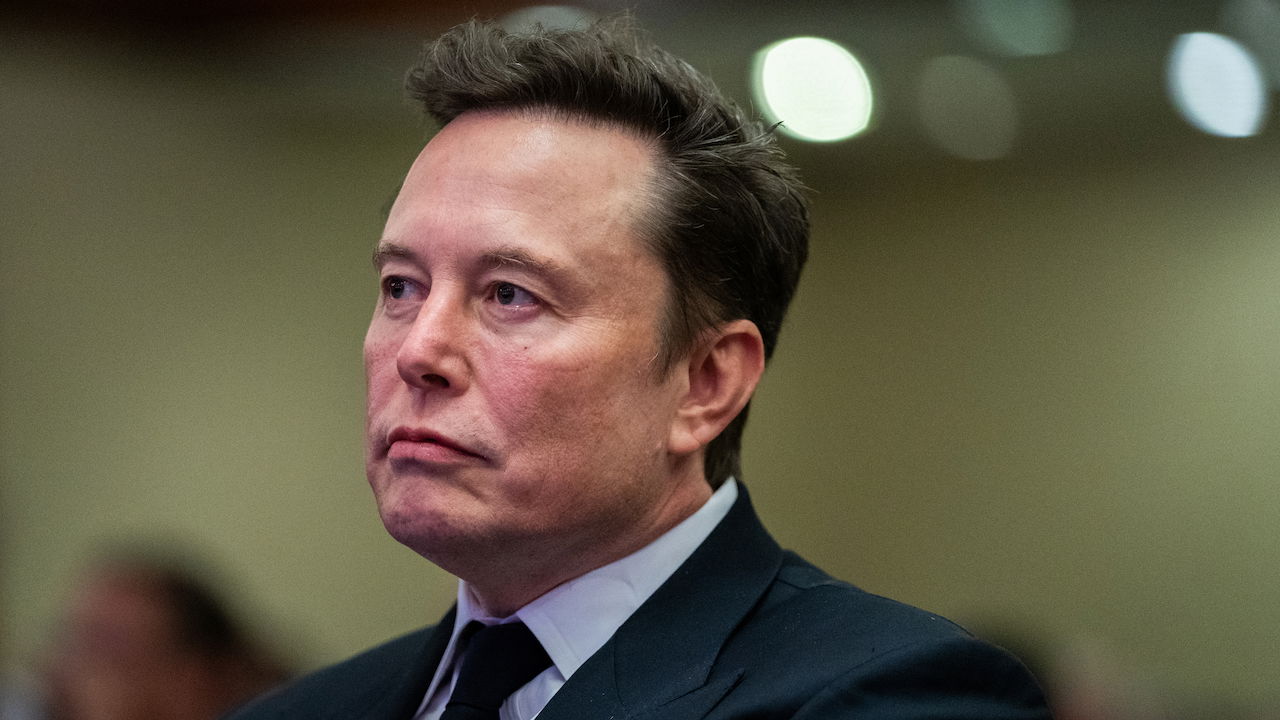
The pushback from Texas Democrats is multifaceted, targeting the pillars upon which Musk’s Texas expansion was built: state subsidies, environmental stewardship, and labor rights. Leading the charge are members of the Texas House and Senate Democratic caucuses, alongside a coalition of environmental justice groups and disgruntled local landowners.
1. Scrutinizing Corporate Subsidies and Tax Incentives
At the heart of the Democratic strategy is a hard look at public financing. Musk’s companies have historically leveraged lucrative economic development packages, including local property tax abatements and state grants. Democratic lawmakers are drafting legislation to institute mandatory clawback provisions for companies that fail to meet strict local hiring quotas, wage thresholds, or environmental compliance standards.
"We are no longer willing to write blank checks to multi-trillion-dollar enterprises without demanding absolute accountability for everyday Texans," said one senior Democratic legislative aide closely involved in drafting the upcoming package. "Enterprise ROI for the state of Texas must mean tangible benefits for our public schools, roads, and water supply, not just glossy press releases."
2. Environmental Oversight and Resource Strain
Environmental impact is rapidly becoming the most potent battleground. In Cameron County, near SpaceX’s Starbase facility, local residents and conservation groups have repeatedly clashed with the aerospace company over wildlife disruptions, rocket debris, and unpermitted wastewater discharges. State Democrats are amplifying these concerns, calling for independent environmental audits by the Texas Commission on Environmental Quality (TCEQ) rather than relying on self-reported metrics.
Furthermore, the massive power requirements of xAI’s supercomputing cluster in Memphis—and similar heavy industrial loads anticipated in Texas—have heightened anxieties over the stability of the Electric Reliability Council of Texas (ERCOT) grid. Lawmakers are pressing for stricter oversight on large-load industrial power consumers to prevent residential rate hikes and grid instability.
3. Labor and Land Use Challenges
Unlike California, Texas is a right-to-work state with historically low union density. However, Tesla’s labor practices at Gigafactory Texas have drawn intense scrutiny from organized labor and progressive lawmakers. Investigations into workplace safety incidents, ergonomic complaints, and employee turnover are being weaponized by Democrats to challenge the state’s hands-off labor enforcement.
Additionally, The Boring Company’s utilization of land and infrastructure development plans has raised red flags regarding property rights and eminent domain, drawing rare bipartisan skepticism in rural districts.
| Company / Facility | Location | Estimated Capital Investment | Key State Incentives Received | Primary Legislative/Regulatory Target |
|---|---|---|---|---|
| Tesla Gigafactory | Del Valle, TX | $10 Billion+ | Local tax abatements, Chapter 313 agreements | Labor standards, wastewater permits, workplace safety audits |
| SpaceX Starbase | Boca Chica, TX | $3 Billion+ | Infrastructural support, launch site grants | Environmental impact reviews, wildlife conservation, beach closures |
| xAI & Data Centers | Central/North TX | $5 Billion+ | Economic development grants, power prioritization | ERCOT grid load transparency, water usage, energy rate caps |
| The Boring Company | Bastrop, TX | $100 Million+ | Permitting assistance, regional development rights | Eminent domain restrictions, environmental runoff compliance |
Industry, Market, and Financial Implications
For Wall Street and corporate risk assessment teams, the brewing legislative battle in Austin introduces a complex layer of political risk. While Texas remains fundamentally conservative and Republican supermajorities still control the levers of power in the state capitol, the demographic and political shifts in urban and suburban corridors cannot be entirely ignored.
If state Democrats successfully introduce stringent reporting requirements or roll back discretionary tax incentives, the long-term capital allocation strategies for Musk’s ventures could face downward pressure. Increased regulatory compliance overhead directly impacts operating margins, while prolonged legal battles over environmental permits can delay project deployment timelines—a critical metric for high-growth tech and aerospace firms.
Conversely, defenders of Musk argue that over-regulating technology innovators will only encourage corporate flight to more accommodating jurisdictions such as Florida or Nevada. Business lobbying groups warn that punitive measures could tarnish Texas’s reputation as the premier destination for American manufacturing and technological innovation.
Frequently Asked Questions (People Also Ask)
1. Why are Texas Democrats targeting Elon Musk’s companies now?
The pushback is driven by a combination of rapid industrial expansion, environmental concerns raised by local communities, questions over corporate welfare and tax abatements, and a strategic effort by opposition lawmakers to champion accountability and infrastructure protection for everyday taxpayers.
2. Can Texas Democrats actually pass legislation against Musk without Republican support?
Because Republicans hold solid majorities in both the Texas House and Senate, sweeping partisan legislation targeting Musk directly is unlikely to pass immediately. However, Democrats are building coalitions with rural Republicans who share concerns over eminent domain, environmental degradation, and strain on local water and electrical grids.
3. How do these political developments impact Tesla and SpaceX stock or valuation?
While the immediate financial impact on publicly traded Tesla (NASDAQ: TSLA) is modest, institutional investors closely monitor regulatory friction as a factor in long-term risk mitigation. Increased compliance costs, delayed permits, and potential clawbacks of tax incentives can affect enterprise ROI and valuation multiples over time.
4. What specific state agencies are involved in overseeing Musk’s operations in Texas?
The primary agencies involved include the Texas Commission on Environmental Quality (TCEQ) for air and water permits, the Texas Department of Transportation (TxDOT) for infrastructural and highway logistics, and the Electric Reliability Council of Texas (ERCOT) for heavy industrial energy consumption.
Future Outlook and Key Milestones to Watch
As the political landscape in Texas evolves ahead of the next legislative session, several critical milestones will dictate the trajectory of Musk’s corporate empire in the state:
- Upcoming Legislative Committee Hearings: Watch for interim committee hearings called by Texas lawmakers to investigate industrial water usage, energy grid strains, and economic incentive transparency.
- Environmental Permit Renewals: Legal challenges and public comment periods regarding SpaceX wastewater permits and Gigafactory Texas environmental compliance will serve as litmus tests for regulatory strictness.
- Local Municipal Elections: Voter sentiment in Travis, Cameron, and Bastrop counties will increasingly influence local zoning boards and county commissioners dealing directly with Musk’s infrastructure projects.
Ultimately, the showdown between Elon Musk and Texas Democrats is a microcosm of a larger American tension: the friction between hyper-accelerated technological disruption and the traditional mechanisms of democratic governance, environmental stewardship, and public accountability. How Texas navigates this friction will set a profound precedent for industrial policy nationwide.