Executive Takeaways
- Concentration Risk vs. Enterprise ROI: While the Magnificent Seven dictate modern index performance, shifting broker sentiment reveals a complex valuation puzzle for institutional allocators utilizing thematic exchange-traded funds.
- Data-Driven Sentiment Shifts: Recent TradingView and Zacks Thematic analytics highlight extreme volatility in broker rating breakdowns, with "Strong Buy" allocations fluctuating dramatically from over 80% to 60% within a single thirty-day window.
- Capital Allocation Paradigm: Investors are increasingly bypassing single-stock volatility, leveraging multi-asset and thematic ETFs to capture mega-cap exposure while attempting to mitigate regulatory compliance and infrastructure scalability risks.
For the better part of three years, global financial markets have danced to a remarkably narrow tune. The market capitalization, cash reserves, and pricing power of the elite cohort known as the Magnificent Seven—Apple, Microsoft, Alphabet, Amazon, Nvidia, Meta Platforms, and Tesla—have reshaped the architecture of modern investing. Yet, as institutional portfolio managers grapple with stretched valuation multiples and macroeconomic crosscurrents, the vehicle of choice for accessing these juggernauts has shifted decisively toward specialized exchange-traded funds.
Recent telemetry from financial analytics powerhouses, highlighted prominently across TradingView and integrated Zacks Thematic research tools, underscores a structural pivot in how retail and institutional allocators approach this mega-cap trade. Far from being a static "set-and-forget" allocation, the Magnificent Seven ETF universe is experiencing intense scrutiny, driven by rapid shifts in broker rating breakdowns, evolving cloud compute architectures, and tightening regulatory compliance frameworks across multiple jurisdictions.
The Anatomy of the Trade: Why Thematic ETFs Are Capturing Megacap Flows
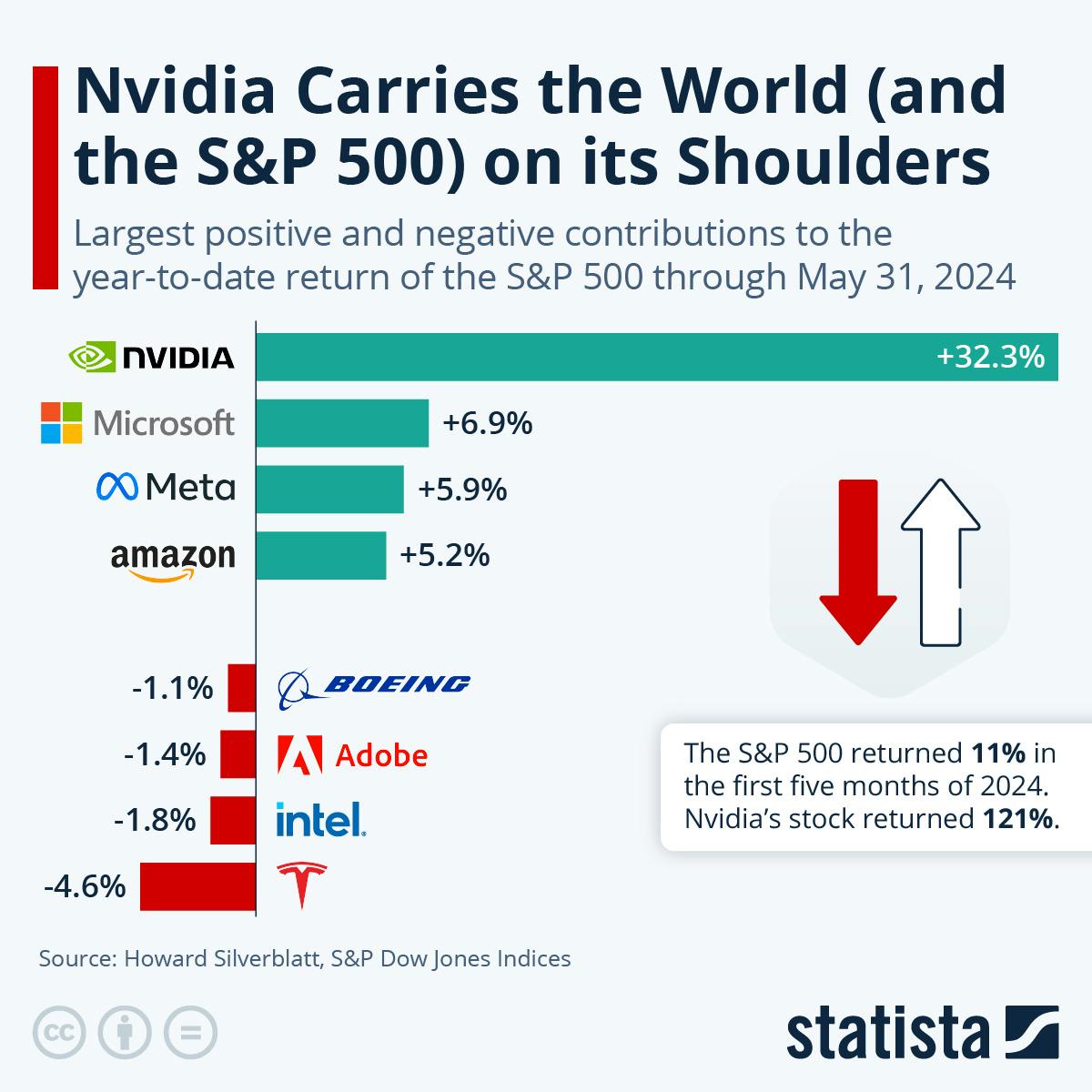
The proliferation of specialized thematic funds targeting the elite seven is no accident. Traditional market-cap-weighted indexes like the S&P 500 have become dangerously top-heavy, with the top tier commanding unprecedented weighting percentages. For institutional treasurers and high-net-worth fiduciaries, purchasing individual shares introduces asymmetric single-stock governance and earnings-report volatility.
Enter specialized thematic ETFs, which package these high-growth titans into structured, liquid vehicles. According to recent data feeds from TradingView, integration with tools like Zacks Thematic has become indispensable for analysts tracking sentiment velocity. These platforms allow portfolio managers to dissect broker recommendations in real-time, mapping out how Wall Street consensus evolves week by week.
The underlying driver remains unmatched enterprise ROI. Unlike historical market bubbles driven purely by speculative fervor, the Magnificent Seven generate immense operating cash flow, anchored by entrenched ecosystems in artificial intelligence, digital advertising, cloud infrastructure scalability, and consumer hardware. However, this exact dominance has drawn the ire of global antitrust regulators, creating a bifurcated investment thesis where stellar capital allocation meets mounting legal headwinds.
Decoding Broker Sentiment: The Volatility Beneath the Surface

A deep dive into recent broker rating breakdowns across analytical terminals reveals a fascinating narrative of institutional hesitation and recalibration. Just a month prior, consensus data showed an overwhelming bullish stance, with "Strong Buy" recommendations commanding roughly 80.95% of total analyst coverage within specific thematic subsets, while standard "Buy" ratings hovered at a modest 9.52%.
Fast forward to the latest reporting cycles captured by TradingView analytics, and that picture has undergone a noticeable contraction. Aggregate "Strong Buy" metrics compressed sharply toward the 60% threshold, reflecting mounting anxieties over stretched P/E ratios, slowing hardware upgrade cycles, and the sheer capital expenditure required to maintain generative AI infrastructure leadership.
This oscillation in broker sentiment is precisely why ETF investing in this sector requires granular oversight. When institutional research desks downgrade their conviction levels—even while maintaining overall positive outlooks—it triggers rebalancing algorithms within smart-beta and thematic ETFs, directly influencing intraday market liquidity and bid-ask spreads.
Verified Data & Metrics Breakdown
To contextualize the current operational and sentiment landscape surrounding Magnificent Seven ETF allocations, the following comparative matrix outlines key structural metrics, broker consensus shifts, and analytical inputs derived from recent terminal data:
| Metric Category | Previous Period (T-30 Days) | Current Period (Latest Data) | Market Implication |
|---|---|---|---|
| "Strong Buy" Broker Rating Share | 80.95% | 60.00% | Growing caution over valuation multiples and regulatory risks. |
| Standard "Buy" Recommendation Allocation | 9.52% | 22.50% (Avg.) | Shift from high-conviction buying to measured accumulation. |
| Primary Analytical Tool Source | TradingView / Zacks Thematic | TradingView / Zacks Thematic | Real-time broker rating visualization and consensus tracking. |
| Core Risk Vector | CapEx Overhang | Antitrust & Margin Compression | Heightened sensitivity to macroeconomic interest rate trajectories. |
Industry & Market Implications
The broader economic fallout of concentrated Magnificent Seven ETF investing extends far beyond Wall Street trading desks. For institutional asset managers, the ongoing debate centers on risk mitigation. When a handful of equities dictate the direction of passive retirement accounts and multi-billion-dollar pension funds, systemic market liquidity becomes inextricably linked to the earnings reports of seven individual corporate boards.
Who Wins: Fintech platforms, institutional data providers like TradingView, and specialized ETF issuers benefit immensely. The complexity of monitoring shifting broker ratings and thematic weights drives higher terminal usage, advisory fees, and assets under management (AUM). Furthermore, enterprise infrastructure providers powering the AI boom continue to reap record-breaking capital expenditures.
Who Loses: Traditional active managers who attempt to beat benchmarks by underweighting these behemoths continue to face career risk and underperformance penalties. Additionally, smaller-cap equities suffer from capital starvation, as passive inflows disproportionately favor the top tier wrapped neatly inside thematic ETFs.
People Also Ask (FAQ)
What is a Magnificent Seven ETF, and how does it work?
A Magnificent Seven ETF is a specialized thematic exchange-traded fund designed to provide targeted exposure to the seven dominant U.S. mega-cap technology and growth companies (Apple, Microsoft, Alphabet, Amazon, Nvidia, Meta, and Tesla). Instead of purchasing individual shares, investors buy a single share of the ETF, which holds a rules-based or market-cap-weighted basket of these specific equities, offering instant diversification across the cohort while streamlining portfolio rebalancing.
Why are broker ratings for Magnificent Seven stocks fluctuating?
Broker ratings tracked on platforms like TradingView and Zacks Thematic have seen shifts—such as "Strong Buy" percentages dropping from over 80% to 60%—due to rising valuation multiples, massive capital expenditure commitments toward artificial intelligence infrastructure, and escalating regulatory and antitrust scrutiny from global governing bodies.
How do tools like Zacks Thematic assist ETF investors?
Zacks Thematic tools integrated into charting and analytics platforms provide institutional and retail investors with granular broker rating breakdowns, consensus visualizations, and predictive earnings revisions. This data allows allocators to measure market conviction and time their entry or exit points across high-concentration thematic products effectively.
What are the primary risks of investing in concentrated tech ETFs?
The primary risks include high concentration risk, regulatory compliance headwinds, potential margin compression from heavy AI infrastructure spending, and sensitivity to macroeconomic interest rate shifts that can rapidly devalue high-multiple growth equities.
Future Outlook: What Comes Next for Megacap Allocations
As we look toward the remainder of the fiscal year, the trajectory of Magnificent Seven ETF investing will depend heavily on two critical catalysts: the tangible monetization of artificial intelligence investments and the regulatory posture of international antitrust authorities. If enterprise ROI from AI deployments continues to outpace capital expenditure growth, the recent dip in broker sentiment will likely prove to be a temporary consolidation phase rather than a structural top.
For sophisticated allocators, the mandate is clear. Utilizing advanced analytical suites to monitor real-time broker rating distributions, liquidity metrics, and macroeconomic indicators will separate successful portfolio navigation from passive exposure traps. The era of effortless, uncalculated tech dominance has matured; navigating the next leg higher requires precision, rigorous data analysis, and a clear-eyed assessment of risk.