NEW YORK — In an era defined by hyper-personalized computing and aggressive silicon breakthroughs, choosing the right portable workstation has never been more complex—or more critical. As remote work ecosystems mature and AI-driven applications demand heavier lifting from local hardware, consumers are navigating a radically shifted marketplace.
According to the latest comprehensive testing aggregation released this week by leading product testing authorities, including Consumer Reports, the laptop landscape of 2026 is no longer just about raw processing speed or battery endurance. It is a nuanced battlefield of architectural efficiency, value engineering, and AI integration. Leading the charge are Apple’s disruptive new budget-focused entries and ferocious new Silicon iterations, going toe-to-toe with Windows heavyweights boasting next-generation Neural Processing Units (NPUs).
The 2026 Hardware Shift: Value Meets Extreme Power
For years, tech analysts warned of a widening gap between premium enterprise machines and budget-friendly compromises. However, the 2026 data reveals a different narrative. Manufacturers have successfully trickled down high-end thermal management, OLED visual fidelity, and multi-day battery architectures into mainstream price points.
"What we are witnessing in the 2026 hardware cycle is the democratization of professional-grade performance," notes a senior hardware analyst tracking consumer technology trends. "Consumers are no longer forced to choose between financial prudence and computational muscle. The floor for baseline laptop quality has risen dramatically."
At the center of this paradigm shift is Apple’s aggressive positioning. The Cupertino tech giant's newly unveiled budget-oriented MacBook Neo has effectively rewritten the rules for entry-level computing, capturing significant market share from traditional Chromebooks and Windows sub-brand laptops. Simultaneously, the powerhouse MacBook Pro M5 series continues to set the gold standard for creative professionals and enterprise developers requiring zero-compromise execution.
Key Takeaways from the 2026 Testing Data
- The Apple Advantage: The introduction of the MacBook Neo has disrupted the sub-$1,000 market, offering unprecedented battery life and build quality at a lower barrier to entry.
- The Windows Counter-Offensive: PC manufacturers have heavily leaned into specialized NPUs, making Windows machines the preferred choice for local generative AI workloads and enterprise security applications.
- Display Standards: OLED and Mini-LED panels have officially transitioned from luxury upgrades to standard expectations across mid-to-high-tier categories.
- Battery Longevity: Thanks to sub-3nm chip architectures, average real-world battery life across the top 15 models has surpassed the 16-hour threshold for standard productivity tasks.
Comparative Analysis: The Tier-1 Contenders
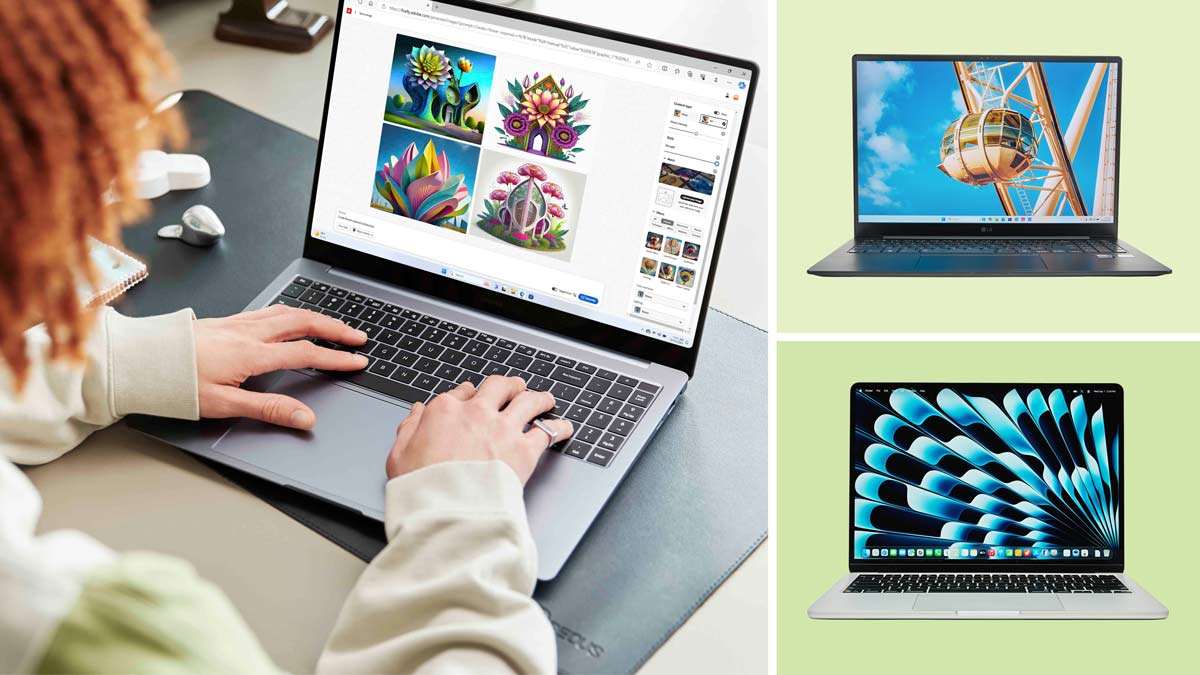
To help consumers navigate the crowded marketplace, testing metrics have grouped the premier machines into distinct categories based on user needs, performance benchmarks, and value-to-cost ratios.
| Laptop Model | Primary Processor | Best Suited For | Standout Feature |
|---|---|---|---|
| Apple MacBook Pro M5 | Apple M5 Pro / Max | Creative Professionals & Power Users | Unmatched thermal efficiency & sustained rendering speeds |
| Apple MacBook Neo | Apple M5 (Entry Variant) | Students & Everyday Multitaskers | Exceptional price-to-performance ratio in a thin chassis |
| Dell XPS 16 (2026 Edition) | Intel Core Ultra / AMD Ryzen AI | Windows Enterprise & Content Creators | Edge-to-edge InfinityEdge OLED display |
| Lenovo ThinkPad X1 Carbon Gen 13 | Intel Core Ultra Series 2 | Business Executives & Road Warriors | Legendary keyboard durability & robust security suite |
| Asus ROG Zephyrus G16 | AMD Ryzen 9 AI / Nvidia RTX 50-Series | Gamers & Heavy 3D Modelers | Blistering graphics performance paired with a sleek profile |
What Consumers Should Prioritize in 2026
As retail shelves fill with these top-tier machines, purchasing decisions should hinge on specific workflow requirements rather than spec-sheet vanity. Industry watchdogs emphasize that RAM configuration and thermal design now outweigh raw clock speeds for the average buyer.
Furthermore, sustainability and repairability scores are increasingly factoring into cumulative evaluations. Buyers are showing a distinct preference for brands offering modular components, long-term software support guarantees, and responsibly sourced chassis materials.
Frequently Asked Questions
Is it worth upgrading to an M5-powered Mac in 2026?
If you are currently using an M1 or older generation machine, the generational leap in graphical processing, memory bandwidth, and integrated AI capabilities makes the upgrade substantial. However, users running M3 or M4 devices can comfortably skip this cycle unless specialized professional workloads demand it.
Are Windows laptops catching up to Apple's battery life?
Yes. While Apple still holds a narrow crown for standby efficiency, the latest generation of Windows laptops powered by optimized ARM-based chips and advanced x86 processors have largely closed the gap, regularly delivering all-day productivity on a single charge.