Executive Takeaways
- Historic Scale: OpenAI’s ChatGPT officially crossed the one billion monthly active users threshold in May 2026, solidifying its place as the fastest-adopted consumer software technology in global history.
- The Sentiment Divergence: Despite record-breaking consumer engagement and enterprise deployment, public sentiment has soured sharply amid escalating concerns over carbon footprints, data privacy, and ethical copyright disputes.
- Capital & Infrastructure Strain: The unprecedented compute load required to sustain one billion users is forcing hyperscalers and venture backers to re-evaluate capital allocation, data center grid impacts, and near-term enterprise ROI.
- Regulatory Crossroads: Global antitrust watchdogs and data protection authorities are increasing scrutiny on model training pipelines, setting the stage for aggressive regulatory compliance mandates in late 2026.
SAN FRANCISCO & NEW YORK — In the annals of technology history, few milestones match the sheer velocity of OpenAI’s latest operational benchmark. Internal metrics confirmed by financial analysts indicate that ChatGPT crossed the threshold of one billion monthly active users. Yet, this crowning achievement arrives at a paradoxical moment. As adoption charts curve upward into uncharted territory, public sentiment regarding artificial intelligence has suffered its most severe contraction since the generative AI boom began in late 2022.
For months, the narrative surrounding large language models (LLMs) was dominated by unbridled enthusiasm, hyper-inflated valuation multiples, and gold-rush speculation across Silicon Valley boardrooms. Today, however, that euphoria has collided with harsh physical and societal realities. From municipal power grids straining under the weight of hyper-scale data centers to persistent anxieties over labor displacement, deepfakes, and environmental degradation, the public mood has shifted from awe to profound unease. As Wall Street institutional investors recalibrate risk mitigation strategies, the central question facing the tech sector is no longer whether users will adopt generative tools, but whether society can sustainably bear their cost.
The Catalytic Climb to One Billion: Growth at Any Cost
The journey from a viral research preview to a utility serving one-seventh of the global population is a masterclass in market penetration, albeit one fueled by staggering financial burn rates. When OpenAI launched ChatGPT in November 2022, it shattered adoption records by reaching 100 million users in just two months. Over the subsequent 42 months, continuous model iterations—from GPT-4o to advanced reasoning architectures—cemented the platform's status as a default digital layer for education, coding, creative writing, and enterprise search.
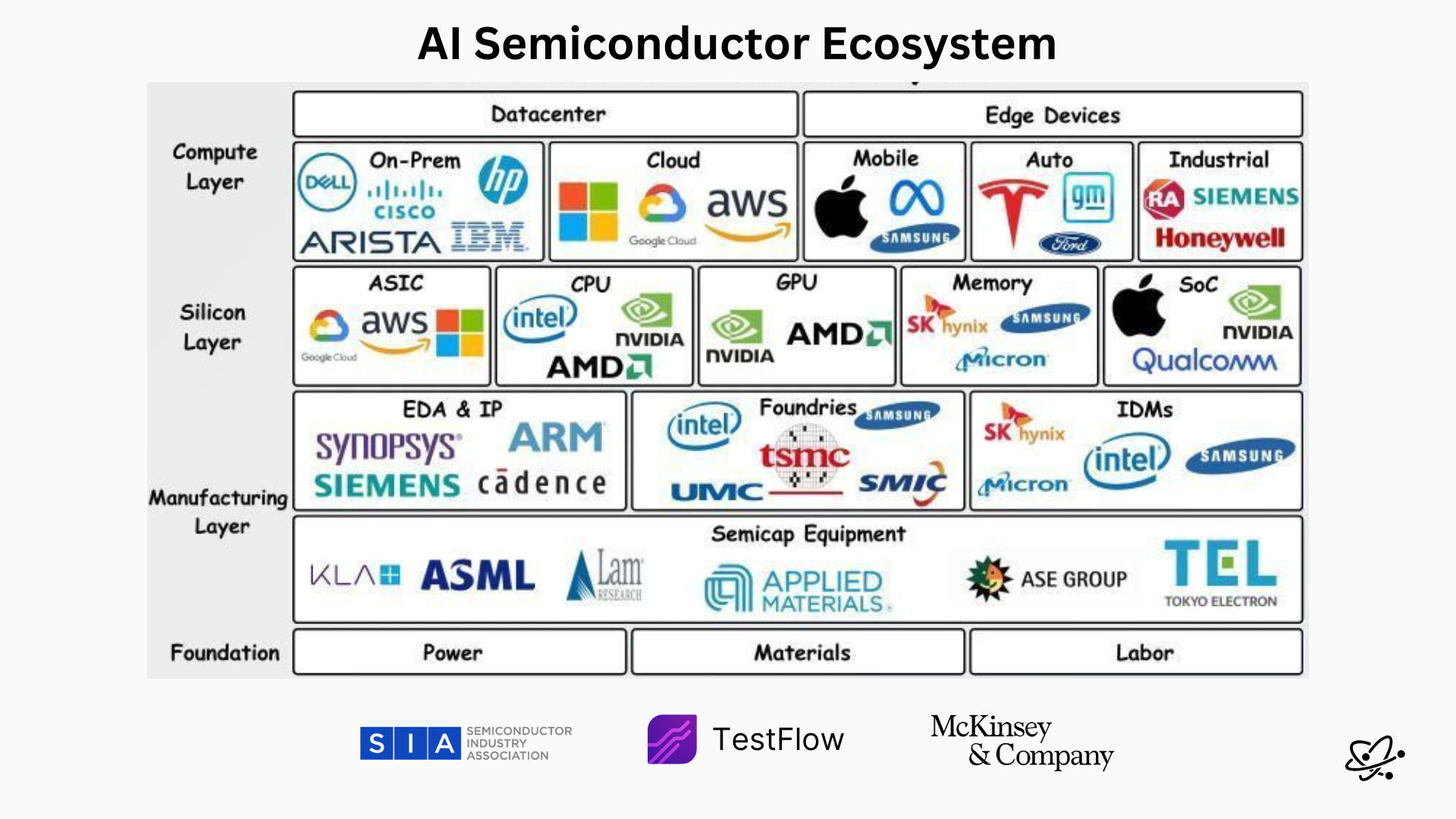
Behind this hyper-growth lies an aggressive capital expenditure cycle. Maintaining a billion-user ecosystem requires a staggering cloud compute architecture. Partnerships with Microsoft Azure have poured tens of billions of dollars into specialized GPU clusters, driving a global race for semiconductor supremacy. Yet, this relentless push for infrastructure scalability has exposed severe vulnerabilities. Energy markets, particularly in regions dense with server farms like Northern Virginia and Dublin, are grappling with unprecedented grid loads. Local utility providers report that AI data center power consumption has forced delays in decarbonization timelines, drawing intense fire from environmental advocacy groups.
Simultaneously, the monetization puzzle remains complex. While enterprise SaaS integration and premium tier subscriptions generate substantial top-line revenue, the marginal cost of serving billions of free-tier queries continues to test the bounds of venture capital patience. As market liquidity tightens and macroeconomic headwinds persist, institutional investors are increasingly demanding tangible proof of enterprise ROI rather than mere user acquisition metrics.
The Public Backlash: Ethics, Environment, and Enterprise Hesitation

The souring of public sentiment is not merely a transient cultural phenomenon; it represents a deep-seated structural friction between tech developers and civil society. Several converging crises have catalyzed this disillusionment:
- Environmental Toll: Independent audits highlighting the massive water consumption and carbon emissions required to train and run frontier models have alienated eco-conscious demographics.
- Intellectual Property and Labor Disruption: Ongoing class-action lawsuits from creators, journalists, and artists whose copyrighted material was ingested without consent have permanently stained the industry's ethical reputation.
- Information Integrity: The proliferation of sophisticated disinformation, hallucinatory outputs in critical medical and legal domains, and hyper-realistic synthetic media have eroded trust in digital ecosystems.
Corporate adopters are also feeling the chill. While early pilots promised revolutionary productivity gains, risk officers are implementing stricter governance frameworks. Chief Information Security Officers (CISOs) are prioritizing data residency compliance, intellectual property indemnification, and model determinism over rapid deployment. The era of shadow AI within the enterprise is rapidly giving way to rigid regulatory compliance and rigorous auditing.
Verified Data & Metrics Breakdown
To contextualize the scale of ChatGPT’s milestone against the backdrop of shifting market sentiment, the following metrics illustrate the trajectory of the generative AI sector through mid-2026:
| Metric Category | 2023 Benchmark | Current Status (Mid-2026) | Market Impact & Implication |
|---|---|---|---|
| Monthly Active Users | ~100 Million | 1 Billion | Unprecedented global saturation; forces infrastructure strain. |
| Data Center Power Demand | Baseline Grid Load | +35% YoY Increase in Hub Regions | Triggers local grid bottlenecks and environmental pushback. |
| Public Sentiment Index | 68% Favorable / Optimistic | 41% Favorable / Cautious | Drives demand for ethical guardrails and regulatory oversight. |
| Enterprise Compliance Spend | Nominal | Record High (Est. $14B+) | Shifts corporate focus toward risk mitigation and secure LLMs. |
Industry & Market Implications: Winners and Losers
The divergence between staggering user metrics and deteriorating public perception is actively reshaping the competitive landscape. In the financial markets, capital allocation strategies are undergoing a radical bifurcation.
The Winners: Enterprise software providers that offer robust governance, data privacy, and verifiable compliance wrappers are capturing premium valuations. Furthermore, semiconductor firms specializing in energy-efficient silicon and power-management infrastructure companies are emerging as indispensable partners to hyperscalers.
The Losers: Pure-play consumer applications lacking defensible proprietary data moats face severe margin compression. Additionally, legacy tech giants slow to pivot their public relations and sustainability narratives are encountering intense consumer friction. Venture capitalists are also scaling back speculative seed investments in undifferentiated wrapper apps, redirecting funds toward deep-tech energy solutions and model safety research.
Frequently Asked Questions (People Also Ask)
How did ChatGPT reach one billion users so quickly?
ChatGPT achieved this milestone through aggressive global deployment, seamless cross-platform accessibility, zero-friction freemium onboarding, and deep integration into consumer workflows and enterprise software suites. Its ability to handle complex reasoning, coding, and multilingual tasks faster than any previous consumer technology drove viral organic adoption.
Why is public sentiment turning negative toward artificial intelligence?
Public sentiment is souring primarily due to mounting concerns over environmental sustainability (massive water and electricity consumption by data centers), unresolved copyright and IP disputes with creators, anxieties regarding workforce displacement, and the proliferation of unverified synthetic media and misinformation.
How are enterprises responding to public unease and regulatory pressures?
Enterprises are shifting their focus from rapid experimentation to rigorous risk mitigation. Organizations are heavily investing in compliance frameworks, data privacy protocols, and secure localized LLM deployments to insulate themselves against potential regulatory penalties and intellectual property litigation.
What impact does a billion-user AI platform have on global energy grids?
Supporting billions of active inference queries requires vast server clusters running continuous computations. This has created localized power shortages, accelerated carbon emissions in regions reliant on fossil-fuel grids, and forced tech conglomerates to invest heavily in nuclear and renewable energy power purchase agreements.
Future Outlook: The Road Ahead for Generative AI
As ChatGPT navigates its post-billion-user era, the industry stands at a critical juncture. The coming quarters will test whether technological innovation can outpace societal pushback. Key milestones to watch include the implementation of stringent regulatory frameworks across the European Union and the United States, breakthroughs in energy-efficient model compression, and the success of enterprise governance standards in restoring public trust.
Ultimately, the era of uncritical techno-optimism has drawn to a close. For OpenAI and its competitors, the next trillion-dollar market valuation will not be won simply by accumulating more users, but by proving that artificial intelligence can scale responsibly, ethically, and sustainably in a skeptical world.