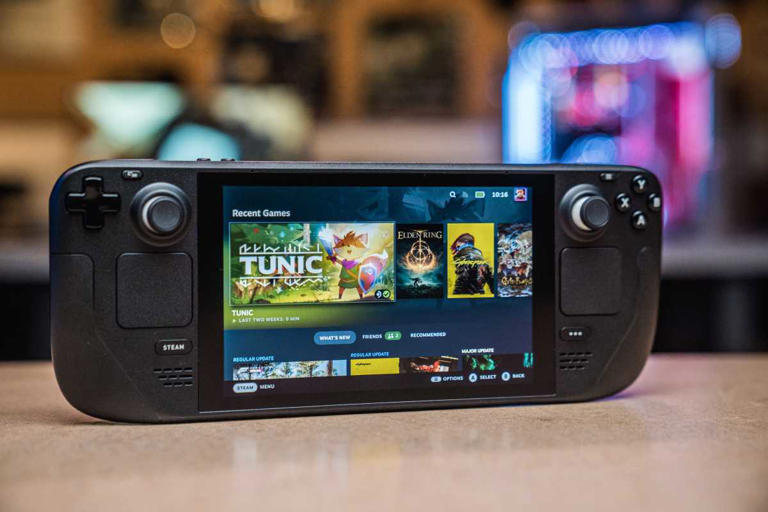
For more than two decades, the personal computer has served as the undisputed anchor of digital entertainment commerce. Within this ecosystem, Valve Corporation—the privately held gaming titan helmed by Gabe Newell—built a distribution monopoly so absolute that it fundamentally altered the valuation multiples and capital allocation strategies of the entire interactive entertainment sector. Yet, a quiet transformation has been accelerating across server racks, custom silicon fabrication plants, and living room displays. Valve has not merely survived the pivot away from Microsoft’s desktop hegemony; it is systematically decoupling its distribution empire from the traditional PC entirely.
This comprehensive investigative report examines the architecture of Valve’s escape from Windows, the technical and financial imperatives driving the expansion of SteamOS, and the profound ripple effects this pivot creates for enterprise ROI, market liquidity, and the hardware supply chain.
Executive Takeaways
Test Our Free AI & Tech Utilities Suite
Calculate LLM API token costs, analyze article dwell-time, or simulate tech DCA returns.
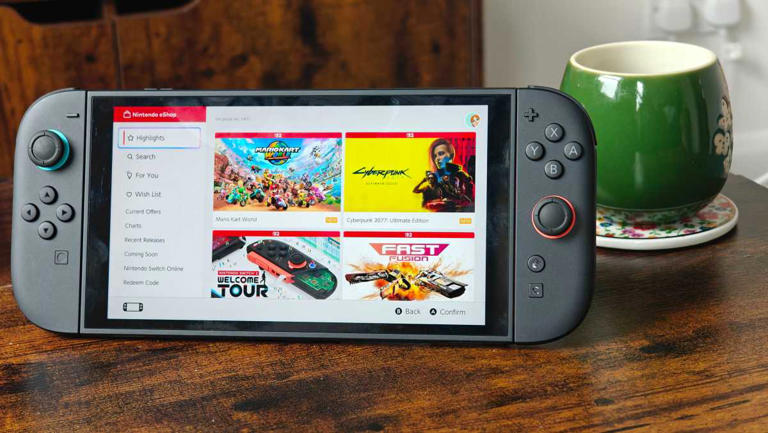
- The Post-Windows Pivot: Valve’s multi-year investment in Proton and Linux-based infrastructure has successfully mitigated platform risk, insulating its storefront from Microsoft’s OS-level gatekeeping and app store monetization models.
- Hardware as a Distribution Vector: By treating the Steam Deck and upcoming standalone hardware variants as loss-leader catalysts, Valve is capturing living room market share traditionally dominated by console manufacturers like Sony, Microsoft, and Nintendo.
- Compression of Valuation Multiples: The decoupling of Steam from the Windows PC lowers hardware entry barriers, unlocking new total addressable market (TAM) segments and driving sustainable long-term transactional volume.
- Supply Chain and Silicon Implications: Deepened partnerships with advanced custom silicon architects position Valve to dictate hardware specifications independently of traditional OEM roadmaps.