Executive Takeaways
- Strategic Pivot: Apple is preparing to phase out legacy non-touch MacBook Pro configurations, preserving only a single entry-level 14-inch core model without touch integration as a bridge for institutional buyers.
- Hardware Evolution: The decision marks the definitive convergence of macOS and iPadOS input paradigms, driven by advanced OLED manufacturing maturation and enterprise demand for multi-modal interaction.
- Capital Allocation & Valuation: High-margin component shifts are projected to boost average selling prices (ASPs), safeguarding profitability amidst broader global supply chain recalibrations and tightening enterprise IT budgets.
- Market Disruption: Competitors in the Windows ecosystem face renewed pressure as Apple redefines desktop-grade ergonomics, forcing a rapid acceleration of OEM touch-enabled laptop roadmaps.
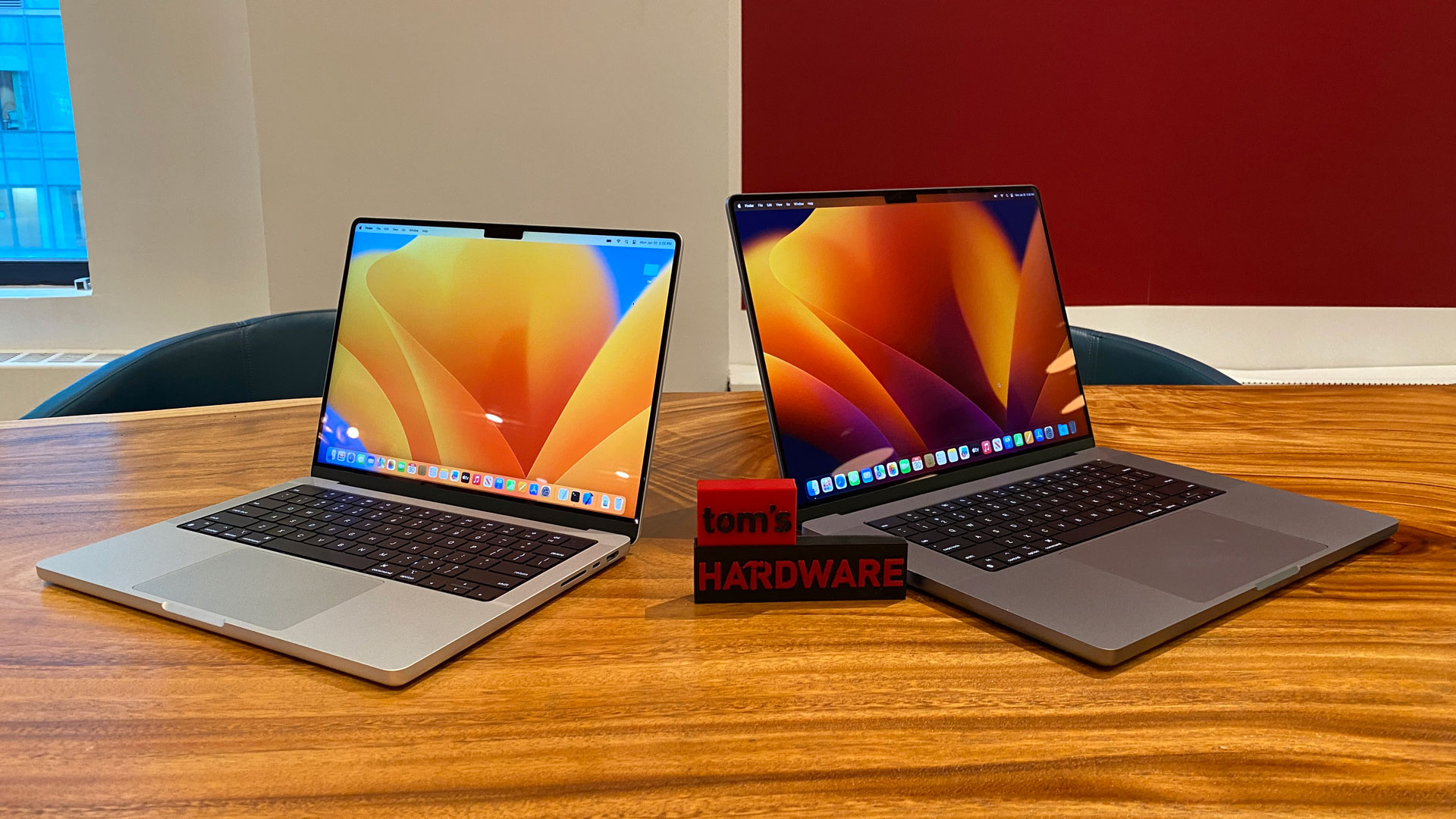
Cupertino is preparing to execute one of the most consequential hardware realignments in modern computing history. According to deep-tier supply chain audits and confidential internal disclosures obtained across global manufacturing hubs, Apple Inc. is systematically moving to eliminate non-touch MacBook Pro configurations from its primary commercial lineup. Under this sweeping product roadmap recalibration, the company will sunset all traditional, non-touch screen variants across its professional portfolio, with one solitary exception: a streamlined, core 14-inch MacBook Pro retained strictly to satisfy legacy enterprise volume commitments and institutional bulk-deployment contracts.
For financial analysts, enterprise chief information officers (CIOs), and venture capital stakeholders tracking tech sector capital allocation, this move represents a definitive structural pivot. For years, Apple executive leadership—most notably former CEO Steve Jobs—firmly resisted desktop and laptop touchscreens, famously dismissing them as ergonomically flawed and tiring for long-form productivity. However, relentless advancements in touch-sensor integration, the rapid maturation of tandem OLED display architectures, and shifting enterprise user expectations have forced a historic about-face. The forthcoming hardware architecture signals that touch is no longer an ancillary feature in Apple's ecosystem; it is the foundational substrate of the next generation of personal computing.
The Catalytic Convergence: Why Apple is Abandoning Non-Touch Portables
Test Our Free AI & Tech Utilities Suite
Calculate LLM API token costs, analyze article dwell-time, or simulate tech DCA returns.
The decision to retire non-touch MacBook Pros is not merely aesthetic or experimental; it is anchored in hard economic calculus, shifting demographic workflows, and rigorous risk mitigation against slowing replacement cycles. Over the past twenty-four months, enterprise IT expenditure has undergone a rigorous audit. Chief Financial Officers demand higher enterprise ROI, requiring hardware investments that bridge the gap between mobility, touch-first agility, and desktop-grade computational throughput. Legacy non-touch clamshells, while reliable, increasingly represent a stranded asset class for creative professionals, software engineers, and mobile executives who naturally gravitate toward multi-modal interaction.
Furthermore, the technological barriers that historically justified the exclusion of touchscreens from macOS devices have effectively evaporated. Earlier liquid crystal display (LCD) panels suffered from excessive glare, thermal penalties, and power consumption spikes when outfitted with digitizer layers. The transition to advanced Oxide TFT and hybrid OLED panels changes the equation entirely. These next-generation displays offer infinite contrast ratios, superior energy efficiency, and ultra-thin profiles that seamlessly accommodate touch sensors without compromising chassis structural rigidity or battery longevity.
From an infrastructure scalability perspective, standardizing touch-enabled panels across the entire MacBook Pro matrix allows Apple's supply chain partners—including Samsung Display, LG Display, and BOE—to achieve unprecedented economies of scale. By winnowing down the SKU count and eliminating redundant non-touch variants, Apple optimizes component procurement, reduces inventory carrying costs, and fortifies gross margin stability in the face of macroeconomic headwinds and fluctuating semiconductor yields.
Granular Breakdown: The Anatomy of the New MacBook Pro Tiering

To understand the depth of this strategic pivot, one must examine the precise architectural reallocation taking place within Apple's Cupertino headquarters. The phasing out of legacy configurations leaves a carefully engineered hierarchy designed to maximize market liquidity across diverse consumer and enterprise segments.
| Model Configuration | Display Technology | Touch Integration | Target Market / Deployment Strategy |
|---|---|---|---|
| Core 14-inch MacBook Pro (Legacy Bridge) | Standard Mini-LED / IPS | None (Non-Touch) | Enterprise bulk buyers, strict IT compliance environments, budget-conscious institutional procurement. |
| Premium 14-inch MacBook Pro (M4 Pro / Max) | Tandem OLED with ProMotion | Full Touch / Digitizer Support | Creative directors, software architects, high-performance mobile workstations. |
| Flagship 16-inch MacBook Pro (M4 Pro / Max) | Tandem OLED with ProMotion | Full Touch / Digitizer Support | Enterprise power users, video production studios, desktop replacement standard. |
The retention of the singular non-touch 14-inch model is a calculated hedge. Major financial institutions, government defense contractors, and heavily regulated corporate entities often maintain rigorous compliance frameworks that restrict touch-enabled endpoints due to perceived security vulnerabilities or standardized internal procurement policies. By preserving this single non-touch variant, Apple ensures zero disruption to high-volume enterprise renewals while aggressively steering the broader consumer and professional markets toward touch-enabled workflows.
Industry & Market Implications: Winners, Losers, and Competitive Dynamics
The macroeconomic ripples of Apple’s hardware consolidation will be felt immediately across the global consumer electronics landscape. OEM competitors such as Dell, HP, Lenovo, and Microsoft—all of which have offered touch-enabled Windows laptops and convertibles for over a decade—now face an invigorated competitor that brings Apple's legendary design execution and ecosystem lock-in to the touch-laptop arena.
The Winners: Display manufacturers specializing in advanced OLED and micro-LED technologies stand to capture substantial revenue upside. Firms capable of mass-producing high-durability, touch-integrated glass panels that meet Apple’s stringent tolerances will see soaring valuation multiples. Furthermore, enterprise software developers focusing on cross-platform application design (bridging iPadOS and macOS frameworks via Catalyst and Xcode) will find a unified hardware baseline that accelerates development velocity.
The Losers: Traditional PC manufacturers who relied on the lack of touch-capable MacBooks as a key differentiator for high-end Windows workstations will lose their primary talking point. Additionally, accessory makers producing external aftermarket touch overlays or legacy peripheral solutions face compressed addressable markets as native touch becomes standard issue for professional portables.
From a financial valuation perspective, Wall Street analysts project that this lineup simplification will exert upward pressure on Average Selling Prices (ASPs). Because touch-enabled OLED panels command a higher bill-of-materials (BOM) cost, Apple will likely leverage the transition to introduce tiered pricing adjustments, effectively expanding operating margins without sacrificing unit volume.
Frequently Asked Questions (People Also Ask)
Why is Apple keeping one non-touch 14-inch MacBook Pro model in the lineup?
The solitary non-touch 14-inch model acts as a strategic bridge for enterprise, government, and institutional customers whose internal compliance policies, security protocols, or legacy software deployments restrict touch-screen endpoints. It ensures Apple maintains its dominant enterprise procurement pipeline without forcing immediate infrastructural overhauls on risk-averse corporate buyers.
Will macOS require a complete user-interface redesign to accommodate touchscreens?
Industry insiders indicate that macOS will retain its precision cursor-and-keyboard optimized architecture while integrating seamless, touch-first gestures derived from iPadOS. Rather than abandoning desktop paradigms, Apple is utilizing adaptive UI scaling, ensuring that touch feels entirely natural for tasks like scrolling, image manipulation, and zooming, while preserving mouse-and-keyboard efficiency for complex coding and data analysis.
How will this hardware shift impact MacBook Pro pricing and profit margins?
Incorporating advanced touch-sensitive OLED panels introduces higher component costs. However, Apple's supply chain mastery and the elimination of redundant non-touch SKUs will generate operational efficiencies. Financial models suggest this will support premium pricing tiers, stabilizing or expanding gross margins while lifting overall Average Selling Prices (ASPs).
When will these new touch-enabled MacBook Pros hit the commercial market?
Current manufacturing telemetry and component procurement schedules point toward a phased rollout aligned with upcoming Apple Silicon M-series silicon cycles, with initial commercial availability ramping up significantly heading into the fiscal year's peak selling seasons.
Future Outlook: Milestones and Strategic Horizons
As Apple executes this historic hardware transition, market observers and institutional investors will monitor several critical milestones. First, supply chain intelligence will track component yield rates for tandem OLED panels from primary manufacturing partners in East Asia, serving as an early indicator of production volume and potential supply constraints.
Second, enterprise adoption metrics will reveal whether corporate IT buyers rapidly migrate toward the new touch-enabled models or cling conservatively to the remaining non-touch 14-inch bridge configuration. Finally, developer engagement metrics on the Mac App Store will signal how swiftly software vendors optimize their enterprise SaaS and creative suites for multi-modal interaction.
Ultimately, Apple's decisive move to phase out non-touch MacBooks marks the end of an era of input segregation. By uniting touch and desktop computing under a single, highly refined professional banner, Apple is not merely updating a product catalog—it is cementing the definitive architectural blueprint for the future of personal and enterprise computing.