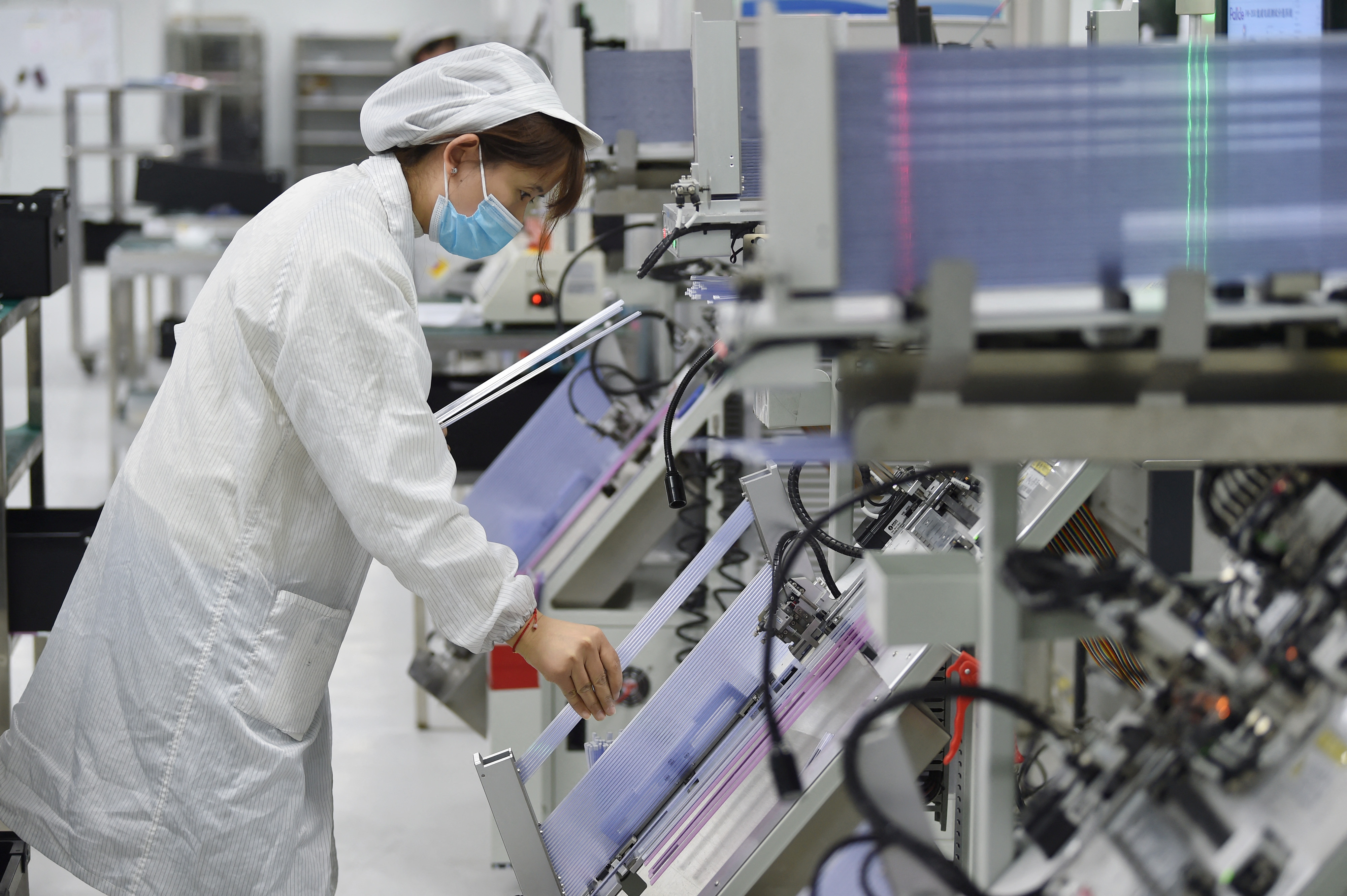
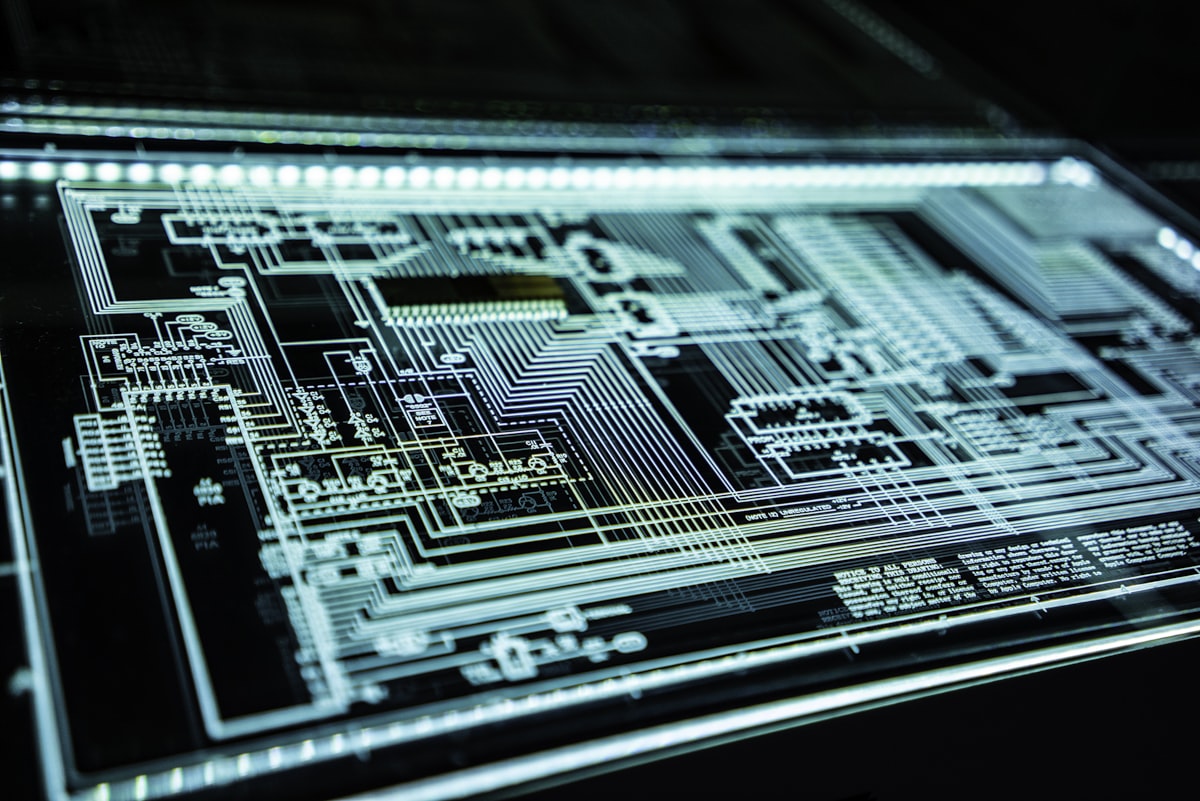
WALL STREET & LONDON — The artificial intelligence boom is no longer just about clever algorithms, large language models, or speculative software startups. As global enterprise demand accelerates at an unprecedented clip, a monumental capital expenditure supercycle is reshaping the physical world. From foundational model pioneers like OpenAI to hardware behemoths such as Nvidia, leading technology titans are channeling hundreds of billions of dollars directly into the heavy industrial infrastructure required to power the next generation of computing.
According to comprehensive market tracking and recent industry filings compiled by Reuters, the race to secure data center capacity, advanced semiconductor chips, specialized power grids, and liquid-cooling hardware has triggered an unprecedented corporate land grab. What began as a software race has officially transformed into a high-stakes, capital-intensive infrastructure battle that is redrawing the boundaries of global finance, energy markets, and industrial supply chains.
The Trillion-Dollar Buildout: Why Infrastructure is the New Bottleneck
For years, Wall Street analysts debated whether enterprise demand for generative AI would sustain its initial hype. Today, that debate has shifted from demand to supply. The primary constraint holding back artificial intelligence is no longer software talent or venture capital; it is raw, physical capacity.
Building an advanced AI data center requires an extraordinary convergence of resources. It demands millions of square feet of real estate, billions of dollars in specialized graphics processing units (GPUs), and massive amounts of steady, reliable electricity—often equivalent to the power consumption of small cities. To bypass chronic grid delays, tech firms are increasingly partnering directly with nuclear, solar, and natural gas providers.
- Unprecedented CapEx Surge: Hyperscalers and AI developers are committing record portions of their operating cash flow to multi-year capital expenditure programs.
- The Energy Crunch: Power availability has become the ultimate currency in tech, prompting direct corporate investments into alternative and baseload energy grids.
- Hardware Supremacy: Demand for next-generation silicon continues to outpace foundry manufacturing capacity, keeping fabrication giants like TSMC operating at absolute peak utilization.
Key Players and Capital Deployment

The capital allocation strategies across the sector vary, but the destination remains the same: physical scale. OpenAI, fresh off historic fundraising milestones and aggressive commercial expansion, is orchestrating massive infrastructure partnerships to secure dedicated computing clusters. Meanwhile, Nvidia continues to anchor the ecosystem, turning record revenues into aggressive research and development while supporting the cloud ecosystems that deploy its hardware.
Major cloud service providers—often referred to as the hyperscalers—are matching this urgency. Real estate investment trusts (REITs) and specialized data center developers report record-breaking lease volumes, with enterprise clients locking in multi-decade capacity agreements well before construction even breaks ground.
| Sector Player | Primary Strategic Focus | Infrastructure Investment Trend |
|---|---|---|
| OpenAI | Model Training & Scaling | Securing dedicated supercomputing clusters and long-term cloud capacity. |
| Nvidia | Silicon & Hardware Design | Expanding chip fabrication supply chains and high-speed networking tech. |
| Hyperscale Cloud Providers | Data Center Real Estate | Massive global construction of liquid-cooled server farms and power procurement. |
| Energy Partners | Baseload Power Generation | Forming direct green energy and nuclear power supply pacts with tech firms. |
Economic Impact and Market Outlook
This industrial pivot is having profound ripple effects throughout the global economy. Heavy machinery manufacturers, electrical grid equipment suppliers, copper producers, and construction conglomerates are all experiencing a generational windfall. Investors who once focused solely on software multiples are now closely monitoring commercial real estate portfolios, power purchase agreements, and semiconductor fabrication yields.
However, risks remain. Financial regulators and institutional investors are keeping a close watch on capital expenditure efficiency. The central question facing executive boards is simple: Will the long-term enterprise revenue generated by artificial intelligence justify the historic upfront costs of this physical transformation?
For now, executive leadership across Silicon Valley and Wall Street is answering with a resounding bet on scale. In the modern tech economy, hesitation is existential. As long as enterprise demand for advanced intelligence continues its steep upward trajectory, the cement will pour, the chips will ship, and the race to build the infrastructure of tomorrow will accelerate unchecked.
Frequently Asked Questions
Why are AI firms suddenly investing so heavily in physical infrastructure?
The rapid evolution of large language models and autonomous agents requires unprecedented computational power. Software capabilities have outpaced existing data center capacity, forcing tech giants to directly fund the construction of new server facilities, specialized power grids, and advanced hardware manufacturing.
How is the energy sector involved in the AI infrastructure boom?
Modern AI data centers consume vast amounts of electricity. Because traditional electrical grids often cannot keep up with this sudden surge in demand, tech companies are increasingly striking direct deals with energy providers—including nuclear, natural gas, and renewable energy firms—to secure stable, independent power sources.