Beijing’s Blueprint: China’s New Five-Year Plan Mandates AI Across Entire Economy and Breakthrough Tech
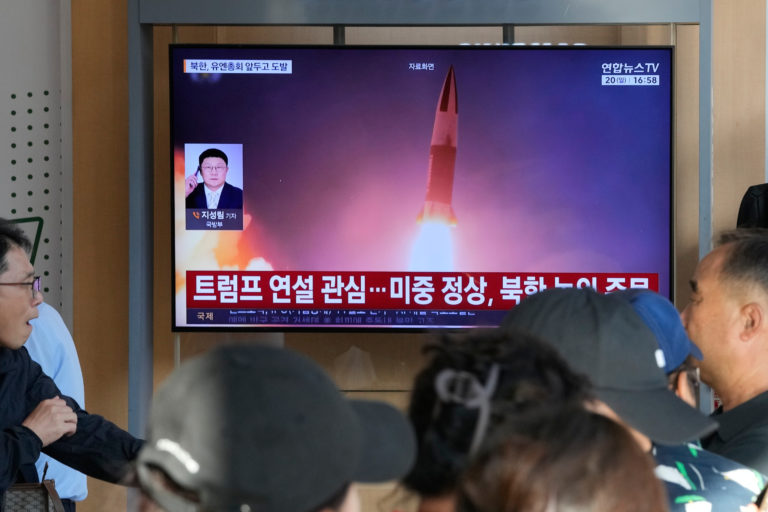
BEIJING/WASHINGTON — In a sweeping policy pivot designed to cement its technological sovereignty, Beijing has unveiled its new five-year economic blueprint, placing artificial intelligence and indigenous tech breakthroughs at the very core of its national growth strategy. The landmark directive, released on Thursday, mandates the integration of AI throughout every tier of the domestic economy while noticeably omitting any transparent breakdown of its defense spending—a move that has immediately triggered fresh security anxieties across Western capitals.
The announcement, reported by Reuters journalists Laurie Chen and Eduardo Baptista, signals a decisive doubling-down by Chinese leadership on high-end manufacturing, advanced computing, and next-generation automation. As geopolitical tech friction reaches a boiling point, the latest policy framework outlines a rigid roadmap for structural modernization, bypassing traditional labor-intensive models in favor of algorithmic efficiency and industrial intelligence.
The Core Pillars of Beijing’s New Economic Strategy
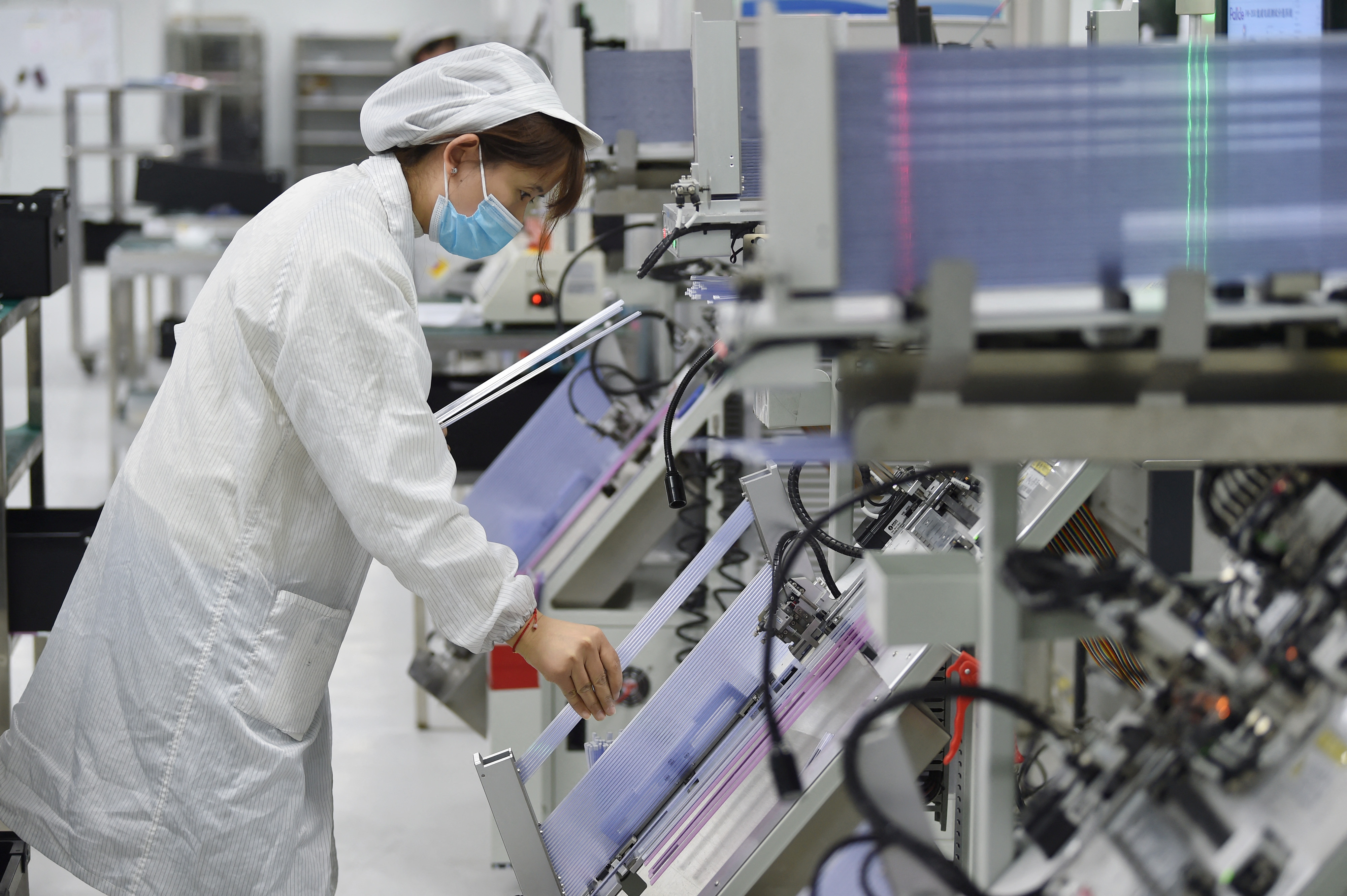
According to documents reviewed from the policy rollout, the new five-year plan is engineered to insulate China’s supply chains from external sanctions while accelerating domestic innovation. The strategy targets critical bottlenecks in semiconductors, quantum computing, and enterprise-grade machine learning models.
- Universal AI Integration: Beijing has mandated that traditional manufacturing, logistics, healthcare, and financial services aggressively adopt AI frameworks to boost sliding productivity metrics.
- Indigenous Tech Breakthroughs: The state will channel unprecedented capital into domestic research and development (R&D) hubs, aiming to achieve self-reliance in critical deep-tech sectors.
- Strategic Defense Opacity: In a departure that has drawn sharp scrutiny from international observers, the fiscal rollout offers zero official breakdown of national defense expenditures.
- Alignment with Global Deep-Tech Metrics: The plan arrives concurrently with the release of the 2026 European Deep Tech Report, highlighting an intensifying global race for algorithmic supremacy.
Global Repercussions and the Western Response

The aggressive positioning of Beijing's tech agenda has compounded existing anxieties in Washington and Brussels. Industry analysts note that the race for artificial intelligence dominance is no longer merely commercial; it is an existential contest for geopolitical leverage. This tension was underscored recently by high-stakes debates within Western defense circles—including a closely watched tussle between the Pentagon and leading AI developer Anthropic regarding the ethical parameters and national security applications of frontier models.
Market analysts interviewed by the Wall Street Journal and Economic Times suggest that Beijing’s blanket mandate for AI adoption will force multinational corporations operating within China to restructure their compliance and operational protocols. Companies failing to align with the state’s digital transformation metrics risk being sidelined in the world's second-largest economy.
| Strategic Focus Area | Primary Objective | Geopolitical Impact |
|---|---|---|
| Artificial Intelligence | Full integration across all industrial and consumer economic sectors. | Accelerates domestic productivity; intensifies US-China tech decoupling. |
| Deep-Tech Breakthroughs | Achieve absolute supply chain independence in semiconductors and advanced R&D. | Threatens Western monopoly on high-end technology exports. |
| Defense Outlays | Omitted from public fiscal breakdown; directed toward modernization. | Heightens regional threat perceptions and defense spending in allied nations. |
What This Means for Global Markets and Investors
For global investors, the five-year plan acts as both a warning and an invitation. While the state-backed push guarantees massive capital inflows into Chinese AI hardware, robotics, and software enterprises, it simultaneously narrows the window for foreign tech firms to compete on a level playing field.
Furthermore, the lack of transparency regarding defense spending complicates risk assessments for foreign capital allocators. As the lines between commercial artificial intelligence and military capability continue to blur—evidenced by the ongoing friction over dual-use tech in Western defense procurement—markets are bracing for heightened regulatory turbulence.
Frequently Asked Questions
What are the primary goals of China’s new five-year plan regarding technology?
The plan mandates the wholesale integration of artificial intelligence across all sectors of the domestic economy and prioritizes indigenous breakthroughs in critical technologies like semiconductors and quantum computing to achieve national self-reliance.
Why is the omission of defense spending causing concern internationally?
The lack of a transparent breakdown of defense expenditures makes it difficult for international monitors to gauge the true scale of China's military modernization, particularly at a time when artificial intelligence and advanced computing are increasingly being integrated into military capabilities.