Executive Takeaways
- Structural Convergence: Institutional discussions are intensifying around a potential consolidation of Elon Musk’s primary operating assets—Tesla and SpaceX—into a single mega-conglomerate.
- The Ticker Vacancy: A merger or asset restructuring unlocks unprecedented corporate maneuvers, leaving Musk's historically favored equity ticker identifier strategically exposed and primed for reassignment.
- Capital Allocation & Valuation: Combining Tesla’s automotive-to-energy cash flows with SpaceX’s capital-intensive aerospace and Starlink infrastructure demands complex valuation multiples and rigorous risk mitigation.
- Regulatory Scrutiny: Any transaction of this magnitude will trigger immediate, exhaustive anti-trust and regulatory compliance reviews across global jurisdictions.
For over a decade, the financial markets have operated under a distinct paradigm defined by the separate orbits of Elon Musk’s corporate empire. On one trajectory sits Tesla, Inc. (NASDAQ: TSLA), the dominant electric vehicle and energy storage titan trading on public exchanges with massive market liquidity. On another sits Space Exploration Technologies Corp. (SpaceX), a privately held aerospace and satellite communications behemoth. However, behind closed doors in Wall Street boardrooms and Silicon Valley executive suites, a seismic strategic shift is being modeled. Analysts, institutional portfolio managers, and regulatory experts are actively gaming out the mechanics of a historical merger—and the revelation that Musk’s most coveted corporate ticker symbol could soon be up for grabs.
This comprehensive investigative report examines the converging catalysts, financial architectures, valuation multiples, and market liquidity implications of a potential SpaceX-Tesla transaction. By dissecting the structural mechanics of such a deal, we uncover why the availability of Musk’s signature equity identifier represents far more than a branding footnote; it serves as a high-stakes chess piece in the future of global capital allocation.
The Catalysts Driving a Unified Enterprise Architecture
Test Our Free AI & Tech Utilities Suite
Calculate LLM API token costs, analyze article dwell-time, or simulate tech DCA returns.
The philosophical and operational walls separating Tesla and SpaceX have steadily eroded over recent years. What began as informal engineering crossovers—such as utilizing SpaceX-developed alloys in Tesla structural battery packs and leveraging shared AI training infrastructure for Autopilot and Starshield—has evolved into a compelling argument for enterprise integration. From a macro perspective, the convergence is driven by three critical pillars: technological synergy, infrastructure scalability, and unified capital allocation.
First, consider the technological overlap in advanced computing and autonomous systems. Both organizations rely heavily on custom silicon development, massive cloud compute architecture, and neural network optimization. Tesla’s Dojo supercomputing initiatives and SpaceX’s orbital data processing requirements share foundational DNA. By merging these entities, Musk could centralize research and development expenditures, driving superior enterprise ROI across both automotive and aerospace divisions.
Second, the capital intensity of SpaceX’s Starlink expansion and Mars colonization roadmap demands alternative financing channels. While Starlink generates robust and growing recurring revenue, its ongoing infrastructure scalability requires continuous capital infusion. Integrating SpaceX with Tesla’s robust automotive and energy storage cash-generation engine would provide an unmatched balance sheet, dramatically altering debt-to-equity ratios and lowering overall cost of capital.
Deconstructing the Deal Mechanics: Valuation and Market Liquidity
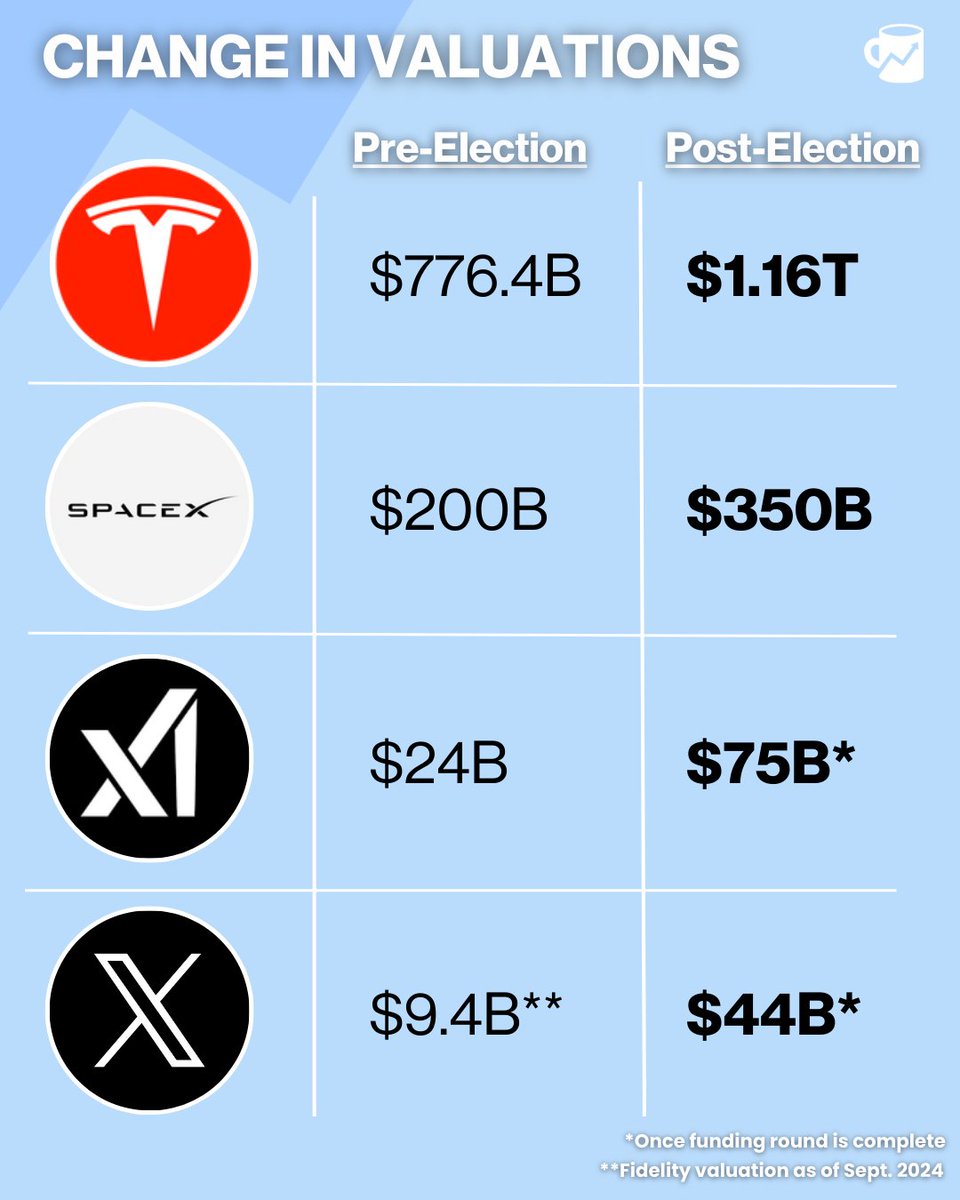
Structuring a transaction between a publicly traded mega-cap entity and a privately valued aerospace giant presents unprecedented corporate finance hurdles. Tesla currently commands a market capitalization that fluctuates based on automotive margins, Full Self-Driving (FSD) software adoption rates, and energy storage deployment metrics. Conversely, SpaceX’s private market valuation—driven largely by secondary share sales and the anticipated public spin-off of the Starlink satellite internet segment—sits at staggering private multiples.
Investment bankers advising major institutional stakeholders have run preliminary models exploring various transaction structures, including a reverse triangular merger, a dual-class stock recapitalization, or the creation of a holding company umbrella. Each approach carries distinct risk mitigation challenges, particularly regarding minority shareholder voting rights and fiduciary compliance.
| Metric / Parameter | Tesla, Inc. (TSLA) | SpaceX (Private / Projected) | Combined Entity Implications |
|---|---|---|---|
| Primary Revenue Drivers | EV Sales, Energy Storage, Software Services | Launch Services, Starlink Subscriptions, Defense Contracts | Diversified industrial, tech, and energy conglomerate |
| Capital Expenditure Profile | Gigafactory expansions, R&D in AI/Autonomy | Starship development, orbital constellation deployment | Massive capex optimization through shared supply chains |
| Market Liquidity Status | High-volume public equity (NASDAQ listed) | Private equity, periodic secondary liquidity rounds | Unprecedented global liquidity absorption capacity |
| Regulatory Oversight | NHTSA, EPA, SEC | FAA, FCC, DoD,ITAR compliance | Intense multi-agency anti-trust and national security review |
As market liquidity shifts toward mega-cap technology issues, a unified entity would instantly capture weighting dominance across major indices, including the S&P 500 and Nasdaq 100. This structural shift would force passive index funds, pension funds, and exchange-traded funds to rebalance portfolios on a scale not witnessed since the mega-mergers of the late 1990s and early 2000s.
The Ticker Symbol Conundrum: Free for the Taking
Central to the market intrigue is the fate of Musk’s historically preferred equity ticker identifier. In financial folklore, ticker symbols hold immense psychological and branding value. When corporate restructurings occur, legacy tickers are frequently retired, repurposed, or left vacant, creating a scramble among institutional market makers and emerging enterprises.
In a scenario where Tesla and SpaceX consolidate under a new corporate umbrella—or undergo a comprehensive ticker re-alignment—the primary equity identifier long associated with Musk's core vision becomes available. Institutional traders note that corporate rebranding during a transformative merger offers a rare window to shed legacy associations (such as the narrow categorization of Tesla merely as an "auto manufacturer") and adopt an all-encompassing designation that reflects multi-planetary energy, transportation, and communications dominance.
Securing this ticker requires careful navigation of exchange rules set by the Nasdaq and NYSE, alongside strategic coordination with regulatory compliance bodies. However, the psychological impact on retail and institutional investors cannot be overstated; a fresh ticker acts as a powerful marketing catalyst for a newly minted industrial titan.
Industry & Market Implications: Winners and Loses
A corporate marriage between Tesla and SpaceX sends immediate shockwaves across multiple economic sectors, redrawing competitive boundaries and forcing institutional reallocations.
- Winners: Institutional equity holders gain exposure to a de-risked aerospace asset backed by automotive cash flow. Suppliers specializing in advanced materials, aerospace-grade electronics, and high-bandwidth networking components will see accelerated demand. Furthermore, early investors in private secondary SpaceX shares achieve immediate public market liquidity.
- Losers: Traditional legacy automakers and aerospace prime contractors face an unprecedented competitive threat. A consolidated entity boasting nearly limitless capital access, vertical integration, and unmatched software capabilities will widen the technological moat. Additionally, short-sellers holding legacy positions in either asset could face severe capital squeeze dynamics.
- Broader Economic Impact: The transaction redefines the valuation framework for tech-heavy industrial conglomerates, pushing global markets toward a future where terrestrial transportation, artificial intelligence, and space infrastructure are viewed as a single, contiguous asset class.
Frequently Asked Questions (People Also Ask)
1. Is a formal merger between SpaceX and Tesla officially confirmed?
As of current reporting, no binding merger agreement has been officially announced by the boards of directors of either Tesla or SpaceX. However, institutional advisors and market analysts note that exploratory discussions regarding corporate alignment and shared R&D have intensified against the backdrop of converging technologies.
2. How would a combined SpaceX-Tesla entity impact current shareholders?
Shareholders of Tesla would likely receive equity in the newly restructured parent organization or holding company, proportional to agreed valuation multiples. Private SpaceX investors would transition from illiquid private shares to liquid public equity, fundamentally altering the valuation and liquidity profile of their holdings.
3. What regulatory hurdles would such a mega-deal face?
Any transaction combining a major public automaker with a dominant private aerospace and defense contractor would trigger exhaustive reviews by the Department of Justice (DOJ), the Federal Trade Commission (FTC), the Federal Communications Commission (FCC), and the Federal Aviation Administration (FAA), focusing heavily on national security, market dominance, and anti-trust compliance.
4. Why is the ticker symbol considered "free for taking" in this scenario?
During large-scale corporate restructurings, name changes, and holding company formations, legacy tickers are often retired or altered to better reflect the broadened scope of the combined business. This operational transition frees up iconic ticker designations, sparking intense strategic maneuvering among market participants and executives.
Future Outlook and Key Milestones to Watch
As capital markets brace for potential macroeconomic volatility, the structural pressures pushing Tesla and SpaceX toward convergence will only accelerate. Stakeholders must monitor several vital milestones over the coming quarters:
- Starlink Spin-Off Projections: Watch for official filings or statements regarding the independent public listing of Starlink, which could serve as a foundational stepping stone toward broader asset consolidation.
- Regulatory Precedents: Monitor shifts in antitrust enforcement and national security oversight regarding cross-sector technology mergers under current regulatory regimes.
- Capital Expenditure Reports: Analyze quarterly earnings calls from Tesla for increased commentary on shared R&D initiatives, AI compute sharing, and vertical supply chain integration with aerospace operations.
Ultimately, whether executed through a formal merger, a strategic holding company structure, or an intricate asset swap, the convergence of Musk’s empire represents a defining moment in modern financial history. For investors, analysts, and market strategists, understanding the mechanics behind this potential deal—and the coveted ticker up for grabs—is essential for navigating the next era of global industrial leadership.