Executive Takeaways
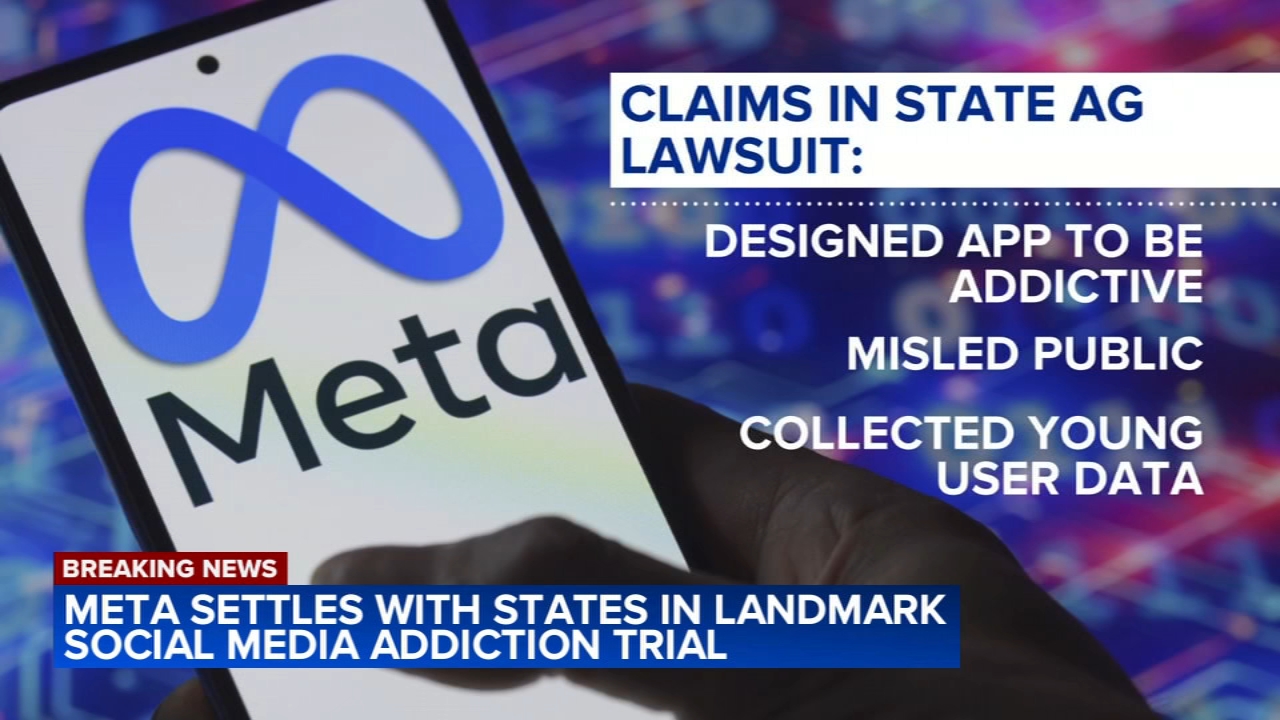
- Litigation Avoided: Meta Platforms has successfully averted a catastrophic jury trial by reaching a confidential settlement in a landmark social media addiction lawsuit.
- Valuation & Risk Mitigation: The resolution marks a pivotal capital allocation decision, successfully capping immediate legal liabilities and protecting long-term valuation multiples from systemic regulatory exposure.
- Industry Precedent: While the financial terms remain sealed, the resolution establishes a complex playbook for Big Tech risk mitigation, fundamentally altering how platform architects approach product liability and digital design.
- Broader Regulatory Horizon: Despite avoiding court, Meta and its Silicon Valley peers face intense ongoing scrutiny regarding algorithmic transparency, infrastructure scalability, and minor safety compliance.
In a watershed moment for the digital economy, Meta Platforms has sidestepped what promised to be a grueling, high-profile courtroom showdown, opting instead to settle a major social media addiction lawsuit just as opening arguments loomed. The litigation, which threatened to expose the proprietary inner workings of Instagram and Facebook’s engagement algorithms, represents one of the most severe legal stress tests modern Big Tech has ever faced.
For months, institutional investors, risk-mitigation analysts, and regulatory compliance officers have monitored the docket with bated breath. The core of the dispute centered on allegations that Meta engineered its software architecture, notification systems, and infinite-scroll mechanics to maximize user dwell time at the expense of adolescent mental health. By cutting a deal before a jury could weigh in, Meta has successfully traded public trial exposure for strategic finality—though the long-term reverberations for the social media sector are only beginning to unfold.
The Anatomy of the Case: From Product Architecture to Courtroom Brinkmanship
Test Our Free AI & Tech Utilities Suite
Calculate LLM API token costs, analyze article dwell-time, or simulate tech DCA returns.
The genesis of this legal battle lies in the intersection of behavioral psychology and advanced software engineering. Plaintiffs, consisting of school districts, state attorneys general, and families, argued that Meta’s data-driven product features were intentionally designed to exploit cognitive vulnerabilities in younger demographics. Central to the plaintiffs' case were internal company documents leaked by whistleblowers, which allegedly revealed that executives were aware of the platform's compulsive usage patterns yet prioritized engagement metrics over preventative safety measures.
From an enterprise risk perspective, the trial presented a nightmare scenario. Had the proceedings advanced, discovery disclosures could have forced Meta to expose core source code logic, machine learning training datasets, and internal communications regarding algorithmic optimization. In an industry where intellectual property and proprietary recommendation engines dictate valuation multiples, the preservation of trade secrets is paramount. Settling out of court allowed Meta’s executive leadership to safeguard these proprietary assets while managing immediate balance sheet liabilities.
Financial analysts note that while the exact settlement figure remains confidential, the cost of capital deployed to resolve the dispute is a strategic bargain compared to the tail risk of an adverse jury verdict. Multi-billion-dollar punitive damages, combined with potential federal injunctions mandating structural changes to algorithmic feeds, posed an existential threat to Meta’s core business model.
Verified Data and Metrics Breakdown

To fully grasp the economic and legal gravity of Meta’s strategic pivot, we must examine the key metrics defining the litigation, the platform's financial exposure, and the broader digital ecosystem:
| Metric / Parameter | Pre-Settlement Exposure | Post-Settlement Reality | Strategic Impact |
|---|---|---|---|
| Trial Risk Profile | High public scrutiny, open-ended liability | Contained, confidential resolution | Eliminates catastrophic downside volatility |
| Intellectual Property Exposure | Severe risk of algorithm disclosure | Proprietary source code protected | Safeguards core competitive advantage |
| Capital Allocation | Unpredictable legal defense and penalty costs | Fixed, non-disclosing settlement payout | Restores predictability to financial forecasting |
| Regulatory Precedent | Potential for mandated structural breakups | Financial settlement without structural admission | Mitigates immediate federal intervention |
Industry and Market Implications: Winners, Losers, and Economic Realities
The resolution of this case sends shockwaves across the technology sector, fundamentally altering the calculus of digital product liability.
Who Wins
- Meta’s Executive Leadership & Shareholders: By removing the overhang of a protracted, emotionally charged trial, Meta secures a measure of market stability. Institutional investors responded favorably to the elimination of tail-risk volatility, stabilizing valuation multiples.
- Defense Counsel & Litigation Specialists: High-stakes corporate legal teams score a major win in containing multi-jurisdictional liability, providing a blueprint for defending complex technology infrastructure cases.
- Big Tech Peers (Alphabet, ByteDance, Snap): While competitors face similar legal threats, Meta's choice to settle rather than set a binding trial precedent prevents the establishment of a hostile legal roadmap that could have been weaponized against the entire industry.
Who Loses
- Advocacy Groups & Public Health Coalitions: Activists lose the public theater of a televised trial, which they hoped would serve as a public reckoning for social media design practices and force sweeping legislative reform.
- Plaintiffs Seeking Landmark Precedent: Without a jury verdict, the legal system lacks a definitive judicial ruling establishing strict product liability for software design choices, leaving future litigants to navigate uncharted legal waters.
From a macroeconomic standpoint, the settlement underscores the immense liquidity and capital reserves held by mega-cap tech enterprises. Corporations of this scale can frequently absorb legal settlements as a cost of doing business, neutralizing regulatory friction while continuing to optimize their cloud compute architecture and ad-targeting algorithms.
Frequently Asked Questions (People Also Ask)
What were the core allegations in the Meta social media addiction lawsuit?
Plaintiffs alleged that Meta intentionally designed its platforms—specifically Instagram and Facebook—with addictive features such as infinite scrolling, push notifications, and engagement-driven algorithms that harmed adolescent mental health and well-being.
Why did Meta choose to settle instead of going to trial?
Settling allowed Meta to avoid the unpredictable nature of a jury trial, mitigate catastrophic financial liability, and protect proprietary source code and internal documents from mandatory public disclosure during discovery.
How will this settlement impact other tech giants facing similar lawsuits?
While the settlement removes an immediate industry-wide precedent-setting trial, other social media companies facing parallel litigation will likely reevaluate their own risk mitigation strategies and settlement postures.
Are the financial terms of the settlement public?
No. The specific monetary terms and structural concessions agreed upon by both parties have been kept confidential under the terms of the private agreement.
Future Outlook: What Comes Next
As the dust settles on this courtroom drama, attention pivots immediately to the regulatory and operational horizon. While Meta has neutralized this specific litigation vector, the broader pressure on social media architecture is intensifying.
Legislative bodies globally are advancing stringent compliance frameworks focused on minor safety, algorithmic transparency, and data privacy. Going forward, Meta and its competitors will be forced to allocate substantial capital toward proactive trust and safety infrastructure, blending automated content moderation with user-empowerment controls. For institutional investors, the key performance indicators to watch will be regulatory compliance expenditures, user engagement durability, and the extent to which self-regulation can preempt future legislative crackdowns.
Ultimately, Meta’s decision to settle marks the end of a battle, but the war over the ethical boundaries of digital product design is only entering its next chapter.