
Executive Takeaways
- The $4,000 Breach: Spot gold slipped below the psychologically critical $4,000-per-ounce threshold as institutional portfolio managers rushed to raise cash amid a broad-based equity market selloff.
- Liquidity over Safety: The move underscores a classic "dash for cash" dynamic where non-yielding safe-haven assets are liquidated to meet surging margin calls and cover leveraged equity portfolios.
- Macro Catalysts: The systemic deleveraging was exacerbated by simultaneous pressures in the Japanese bond market and a sudden, violent unwind of the yen carry trade.
- Enterprise & Portfolio Impact: Chief risk officers and institutional capital allocators are aggressively recalibrating asset-liability management (ALM) strategies and risk mitigation frameworks to navigate prolonged volatility.
LONDON & NEW YORK — In global financial markets, extreme stress often exposes counterintuitive correlations. When systemic panic grips equity indices, the traditional playbook dictates a flight to quality. Yet, in a stark reminder of how structural liquidity crunches operate, precious metals failed to serve as an immediate sanctuary.
According to analytical reports from Equiti Global and tier-1 trading desks, spot gold briefly tumbled below the historic $4,000 threshold. The move was not driven by a structural shift in inflation expectations or central bank monetary policy, but rather by an acute, systemic liquidity squeeze. As global stock markets suffered a synchronized rout, institutional investors, hedge funds, and leveraged trading desks were forced to liquidate their most liquid, winning positions—chiefly gold—to cover devastating margin calls across equities and derivatives.
This exhaustive investigative report examines the catalytic events behind the $4,000 gold breach, the mechanics of cross-asset margin propagation, and the profound implications for institutional capital allocation, risk mitigation, and enterprise balance sheet management.
Anatomy of a Liquidity Squeeze: Why Safe Havens Failed
Test Our Free AI & Tech Utilities Suite
Calculate LLM API token costs, analyze article dwell-time, or simulate tech DCA returns.
To understand why gold breached $4,000 during an equity market selloff, one must examine the mechanics of forced liquidation. In modern multi-asset portfolios, risk parity models and algorithmic trading strategies dynamically adjust leverage based on realized volatility. When equity volatility spikes exponentially, prime brokers demand higher margin requirements.
During acute market dislocations, fund managers do not sell what they want to sell; they sell what they can sell. Equities were locked in sharp intraday drawdowns with widening bid-ask spreads, making block liquidations difficult without triggering catastrophic price slippage. Gold, possessing deep, continuous global liquidity and having enjoyed a multi-year secular bull run, represented an unencumbered pool of capital. Institutional desks systematically offloaded bullion holdings to generate immediate cash equivalents, prioritizing survival over long-term strategic asset retention.
This dynamic created a temporary decoupling between gold's fundamental drivers—such as geopolitical fragmentation, central bank reserve diversification, and persistent sovereign debt expansion—and its immediate market clearing price. The resulting flash breach below $4,000 caught retail investors off guard, but seasoned risk managers recognized it as a textbook liquidity event.
The Macro Convergence: Yen Carry Trades and Bond Market Dominance
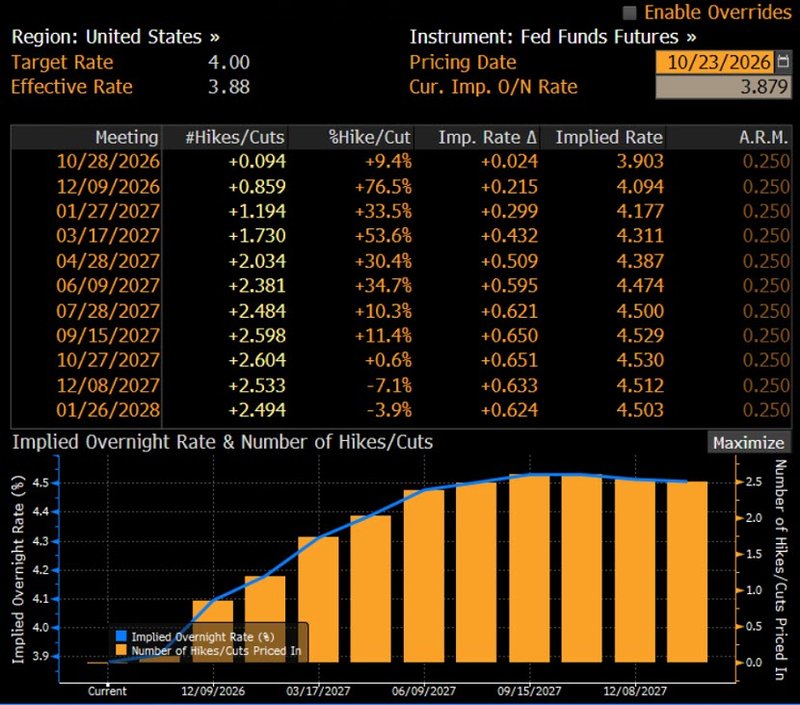
The equity rout and subsequent gold liquidation did not occur in a vacuum. It was compounded by severe stress in international currency and fixed-income markets. Most notably, the rapid unwind of the yen carry trade re-emerged as a primary vector of global contagion.
For years, institutional investors utilized low-yielding Japanese yen to fund high-yielding global equities, emerging market debt, and commodities. As Japanese monetary authorities adjusted policy parameters and the yen experienced sudden appreciation, leveraged carry trade positions became untenable. Investors faced simultaneous losses in foreign equities and escalating debt-servicing costs on short yen positions.
Concurrently, the bond market reasserted its dominance in dictating global asset valuations. Yield curves reacted violently to shifting macroeconomic data and sovereign issuance pressures, forcing fixed-income investors to reprice risk across corporate and sovereign portfolios. With bond markets demanding higher yields and sovereign debt servicing costs ballooning, corporate treasuries and institutional funds faced an acute cash-flow squeeze.
| Asset Class / Metric | Pre-Selloff Status | Post-Selloff Shift | Systemic Impact |
|---|---|---|---|
| Spot Gold | Consolidating above $4,000 | Brief dip below $4,000 | Forced liquidation for cash raising |
| Global Equities | Elevated valuation multiples | Synchronized multi-pct rout | Triggered widespread prime broker margin calls |
| Yen Carry Trade | Highly active, leveraged | Aggressive, disorderly unwind | Exported volatility across global capital markets |
| Fixed Income / Bonds | Range-bound yields | Yield curve dislocation | Increased cost of capital and enterprise refinancing friction |
Industry & Market Implications: Winners, Losers, and Corporate Strategy
Market dislocations of this magnitude invariably redistribute wealth and test corporate resilience. Understanding the fault lines requires analyzing enterprise exposure across distinct sectors:
- Institutional Asset Managers & Hedge Funds: Multi-strategy funds employing leverage took the heaviest blows. Those dependent on algorithmic risk-parity models suffered severe drawdowns as cross-asset correlations converged toward one during the panic.
- Corporate Treasuries: Chief Financial Officers (CFOs) and enterprise capital allocation committees face renewed urgency regarding liquidity buffers. Organizations relying on short-term commercial paper or floating-rate debt must accelerate risk mitigation strategies to insulate against tighter credit conditions.
- Precious Metals Miners & Physical Bullion Holders: While physical bullion long-term holders viewed the sub-$4,000 print as a transitory liquidity anomaly rather than a fundamental trend reversal, mining equities experienced amplified downside volatility as operating margins compressed alongside the metal price.
- Commercial & Prime Brokerage Banks: Banks managing margin financing experienced a surge in intraday credit utilization. Institutions with robust risk architecture and automated collateral management systems successfully navigated the volatility, while less sophisticated lenders faced heightened counterparty risk.
Frequently Asked Questions (People Also Ask)
Why did gold fall below $4,000 during a stock market selloff when it is supposed to be a safe haven?
During severe equity market crashes, institutional investors often experience a broad liquidity crunch and are hit with massive margin calls from prime brokers. Because gold is highly liquid and holds substantial value, fund managers frequently liquidate their winning or unencumbered gold positions to raise immediate cash, prioritizing short-term portfolio solvency over long-term hedging strategies.
What role did the Japanese yen carry trade play in this market rout?
The yen carry trade involved investors borrowing low-interest Japanese yen to invest in higher-yielding global equities and commodities. When the yen experienced a rapid appreciation and Japanese monetary policy shifted, these leveraged positions became unprofitable, forcing a massive, disorderly unwind. This injected acute liquidity pressure into the global financial system, exacerbating the equity selloff.
Is the sub-$4,000 gold price indicative of a permanent trend reversal?
Market analysts and macroeconomic strategists largely categorize the dip as a liquidity-driven flush rather than a structural bear market. Fundamental drivers supporting gold—including central bank reserve accumulation, persistent sovereign debt expansion, and geopolitical fragmentation remain intact once immediate margin-call pressures subside.
How should enterprise CFOs and institutional allocators respond to these liquidity events?
Corporate executives must prioritize rigorous asset-liability management (ALM), maintain robust cash reserves, and review counterparty credit risk. Stress-testing capital allocation models against sudden cross-asset correlation breakdowns is essential for long-term risk mitigation.
Future Outlook: Milestones and Strategic Watchpoints
As global markets digest the fallout from the liquidity squeeze, attention turns to how monetary authorities and institutional risk managers will recalibrate. The speed at which gold rebounded above the $4,000 handle suggests that underlying structural demand remains robust, acting as a natural price floor when forced liquidations abate.
Key indicators and milestones to monitor over the coming quarters include:
- Central Bank Reserve Reports: Ongoing bullion acquisition data from emerging market central banks to gauge official sector support.
- Prime Brokerage Margin Data: Trends in institutional leverage and collateral requirements across major financial hubs.
- Currency Stability & Yield Curves: The trajectory of the USD, Japanese monetary policy adjustments, and sovereign bond issuance absorption rates.
- Enterprise Capital Allocation Shifts: How corporate balance sheets adapt their liquidity reserves and hedging frameworks in response to heightened macroeconomic unpredictability.
Ultimately, the breach of the $4,000 gold level serves as a stark reminder that in an interconnected global financial ecosystem, liquidity is king. Organizations and investors that successfully integrate rigorous risk mitigation, scalable capital allocation, and dynamic balance sheet management will remain best positioned to navigate the complex economic landscape ahead.