
Executive Takeaways
- The Liquidity Shock: The U.S. Treasury’s surprise debt buyback initiative has fundamentally altered daily market functioning, serving as a back-door mechanism to restore liquidity across off-the-run Treasury securities.
- Yield Curve Management: Advanced economies are increasingly deploying targeted balance sheet interventions to cap rising government bond yields and prevent systemic dislocations without triggering overt monetary panic.
- Capital Allocation Paradigm: Fixed-income strategists and institutional asset managers are urgently recalibrating risk mitigation models, enterprise portfolio durations, and capital allocation strategies in response to shifting regulatory compliance and structural issuance patterns.
- Macroeconomic Volatility: As highlighted in recent Council on Foreign Relations (CFR) analyses by veteran strategist Rebecca Patterson, central banks and fiscal authorities must walk a razor-thin line between structural stabilization and moral hazard.
The Anatomy of a Market Surprise
When the U.S. Department of the Treasury dropped its systematic buyback program blueprint, primary dealers and Wall Street trading desks initially processed the announcement through a conventional lens: routine debt management and cash-flow smoothing. However, as the mechanics of the initiative—meticulously dissected in recent Council on Foreign Relations (CFR) commentary by macroeconomic expert Rebecca Patterson—began to circulate through institutional trading rooms, a more profound realization took hold. This was not merely about retiring old debt; it was a calibrated fiscal intervention designed to address chronic structural liquidity degradation in the world's most critical financial market.
For months, the plumbing of the $27 trillion U.S. Treasury market had been flashing warning signs. Decades of post-global financial crisis regulations, most notably the Supplementary Leverage Ratio (SLR), combined with rapid quantitative tightening (QT) by the Federal Reserve, had severely constricted primary dealers' balance sheet capacity. Market depth evaporated during periods of acute stress, widening bid-ask spreads on off-the-run securities and threatening the smooth transmission of monetary policy. By stepping in directly to buy back less liquid, older debt issues and replacing them with standardized benchmark issuances, the Treasury engineered a synthetic liquidity injection that bypassed traditional central bank discount windows.
This dynamic underscores a broader, structural transformation in global fiscal-monetary coordination. Across advanced economies, sovereign issuers are no longer passive participants in capital markets. Faced with unrelenting fiscal deficits, escalating debt-to-GDP trajectories, and volatile term premia, governments are actively deploying balance sheet management tools traditionally reserved for central banks. The buyback surprise has effectively blurred the lines between monetary easing and fiscal management, forcing institutional portfolio managers to re-evaluate their fundamental assumptions regarding risk mitigation and asset pricing.
Catalysts, Mechanics, and the Quest for Market Liquidity
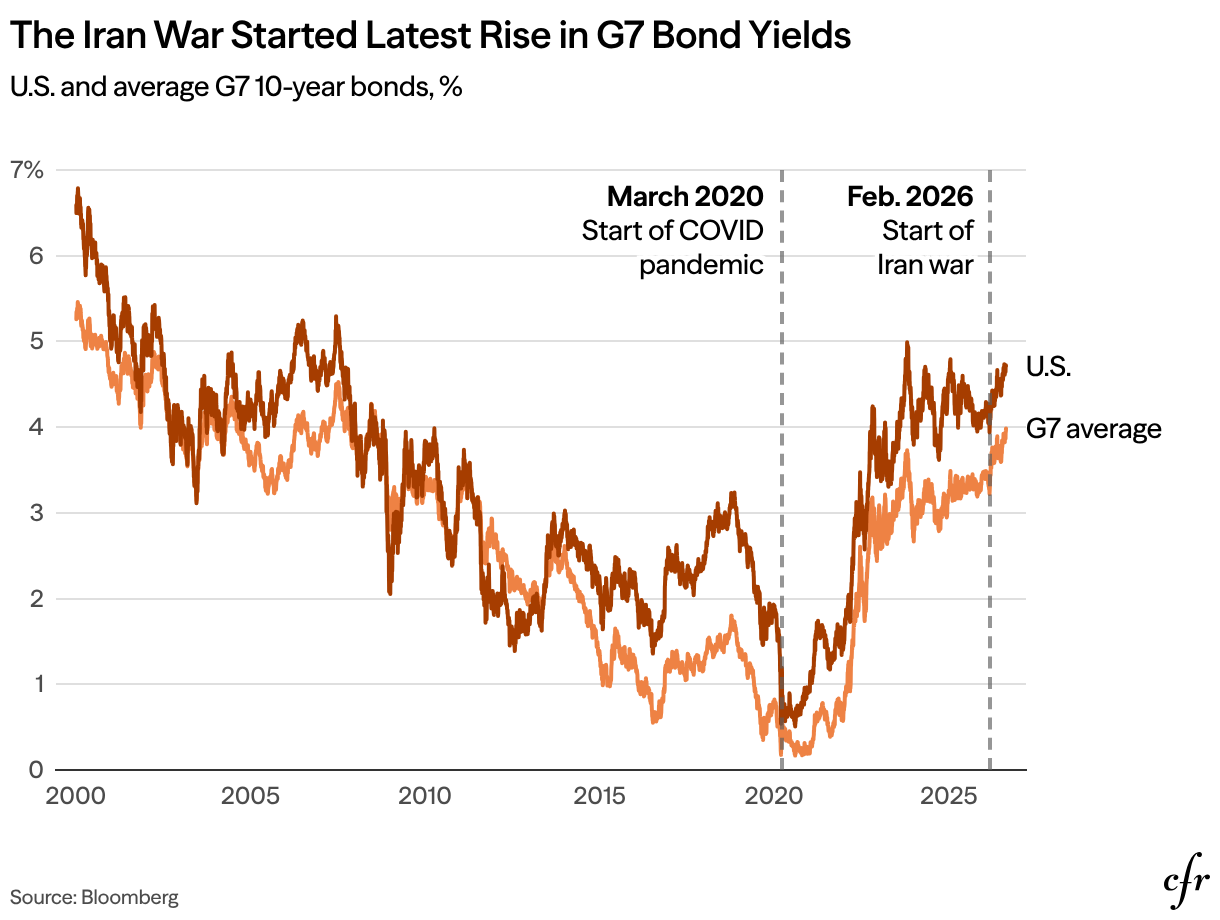
To understand the profound implications of the Treasury’s maneuver, one must examine the operational mechanics of the buyback program. Historically, the U.S. Treasury issued debt to fund government operations based on predictable quarterly refunding cycles, leaving secondary market liquidity largely at the mercy of primary dealers and bank balance sheets. Yet, as primary dealer inventories grew increasingly constrained relative to the sheer volume of outstanding government debt, episodic dysfunction became the norm rather than the exception.
The surprise buybacks targeted two distinct objectives: liquidity support and cash management. By repurchasing off-the-run securities—issues that trade less frequently and suffer from diminished price transparency���the Treasury effectively cleared legacy congestion off dealer balance sheets. This targeted intervention lowered transaction costs, tightened bid-ask spreads, and restored normal functioning to segments of the yield curve that had grown dangerously illiquid.
From an enterprise portfolio management perspective, this structural shift directly impacts corporate capital allocation and institutional risk models. As enterprise treasurers evaluate credit spreads and infrastructure scalability investments, the underlying risk-free rate is no longer viewed as a pristine, frictionless benchmark. Instead, pricing models must now account for active fiscal intervention, regulatory compliance costs, and potential structural distortions driven by sovereign debt management operations.
Furthermore, the timing of the initiative coincided with a delicate inflection point for global bond yields. As advanced economies grapple with stubborn structural inflation and monumental debt-servicing costs, actions to limit rising government bond yields have taken center stage. While central banks have ostensibly maintained their independence, fiscal buyback programs offer a complementary mechanism to suppress term premia and stabilize long-term borrowing costs without forcing an abrupt pivot in monetary policy stance.
| Metric / Parameter | Pre-Buyback Environment | Post-Buyback Market Reality | Strategic Implication |
|---|---|---|---|
| Off-the-Run Liquidity | Chronic degradation; widening spreads | Stabilized via direct Treasury absorption | Reduced transaction friction for institutional rebalancing |
| Dealer Balance Sheet Capacity | Constrained by stringent SLR regulations | Relieved through periodic inventory rotation | Enhanced intermediation efficiency during auctions |
| Yield Curve Volatility | High sensitivity to supply gluts | Damped by proactive issuance/buyback mix | Greater predictability for long-duration asset allocation |
| Sovereign-Central Bank Nexus | Relatively siloed (QT vs. Fiscal Issuance) | Deeply intertwined liquidity management | Heightened vulnerability to fiscal-monetary policy friction |
Industry & Market Implications: Winners, Losers, and Systemic Risk
Every major structural pivot in the sovereign debt market creates distinct asymmetries in financial performance and risk exposure. The Treasury’s buyback strategy is no exception, casting a wide net across Wall Street, asset management complexes, and global corporate treasuries.
Primary Dealers and Fixed-Income Trading Desks (The Structural Beneficiaries): Tier-1 primary dealers emerge as clear tactical winners. By providing a reliable, government-backed outlet for illiquid legacy bond inventories, the program reduces warehousing risk. Trading desks can recycle capital more efficiently, lowering the cost of market-making and improving overall profitability on fixed-income flow businesses.
Long-Term Pension Funds and Insurance Portfolios (The Calibration Challenge): Institutional asset owners managing massive liability-driven investment (LDI) portfolios face a more nuanced reality. While improved secondary market liquidity is universally welcomed, the intervention muddies traditional price discovery mechanisms. When fiscal authorities actively shape the yield curve and suppress term premia, actuarial models and valuation multiples must be adjusted to account for non-market pricing pressures.
Global Central Banks and Regulatory Bodies (The Governance Tightrope): As analytical frameworks from institutions like the Council on Foreign Relations point out, blurring the boundaries between fiscal debt management and monetary stabilization introduces long-term moral hazard. If markets begin to anticipate that the Treasury will routinely backstop liquidity strains through targeted buybacks, private sector risk management discipline could erode, setting the stage for more severe systemic vulnerabilities down the road.
Frequently Asked Questions (People Also Ask)
What is a U.S. Treasury bond buyback, and why did it catch the market by surprise?
A Treasury buyback is a program where the U.S. government repurchases outstanding, previously issued government bonds before their scheduled maturity dates. It caught markets by surprise because its scale and structural integration went beyond traditional cash-management operations, signaling a proactive strategy by fiscal authorities to actively manage secondary market liquidity and alleviate dealer balance sheet constraints.
How do Treasury buybacks impact government bond yields?
By repurchasing less liquid, off-the-run securities and replacing them with standardized benchmark issuances, the Treasury reduces supply gluts in specific sectors of the yield curve. This lowers transaction friction, compresses term premia, and helps prevent disorderly spikes in long-term borrowing costs without requiring direct intervention from the Federal Reserve.
Why are financial analysts comparing fiscal buybacks to monetary policy?
Analysts draw this comparison because proactive balance sheet interventions by the Treasury directly influence market liquidity, asset prices, and credit conditions—functions traditionally managed exclusively by central banks via quantitative easing or tightening. This overlap highlights a growing synergy between fiscal debt management and monetary policy execution.
What are the long-term risks associated with active sovereign debt buyback programs?
The primary risks include moral hazard, where market participants rely on the government to backstop liquidity during stress periods, potentially weakening private sector risk management. Additionally, heavy reliance on fiscal interventions can distort traditional price discovery, complicating valuation models for institutional investors and corporate capital allocators.
Future Outlook and Strategic Milestones to Watch
As the U.S. Treasury refines its buyback calendar and institutionalizes these operations as a permanent fixture of debt management, market participants must adapt to a permanently altered fixed-income landscape. The era of passive, purely mechanical sovereign issuance has officially given way to an environment of active fiscal stewardship.
Looking ahead over the next 12 to 24 months, financial executives, risk officers, and portfolio managers should monitor several critical milestones:
- Buyback Scale and Frequency Adjustments: Track Treasury quarterly refunding announcements for shifts in the aggregate size and regularity of buyback operations, which will signal the government's comfort level with prevailing market liquidity.
- Regulatory Interplay (SLR Reform): Watch for potential adjustments to bank capital rules, such as the Supplementary Leverage Ratio, which could interact with Treasury buybacks to either amplify or diminish dealer balance sheet capacity.
- Yield Curve Term Premia Dynamics: Monitor macroeconomic indicators and yield curve slope metrics to gauge whether fiscal interventions are successfully containing borrowing costs or if private market forces are pushing back against sovereign supply pressures.
- Central Bank Coordination: Evaluate ongoing commentary from Federal Reserve officials regarding the interplay between quantitative tightening and Treasury debt management, ensuring corporate capital allocation strategies account for any emerging policy friction.
Ultimately, the Treasury’s buyback surprise is far more than a technical footnote in debt issuance administration. It represents a watershed moment in modern financial history—a clear signal that in an era of massive public debt and complex market structures, sovereign balance sheets will be managed with unprecedented interventionist resolve.