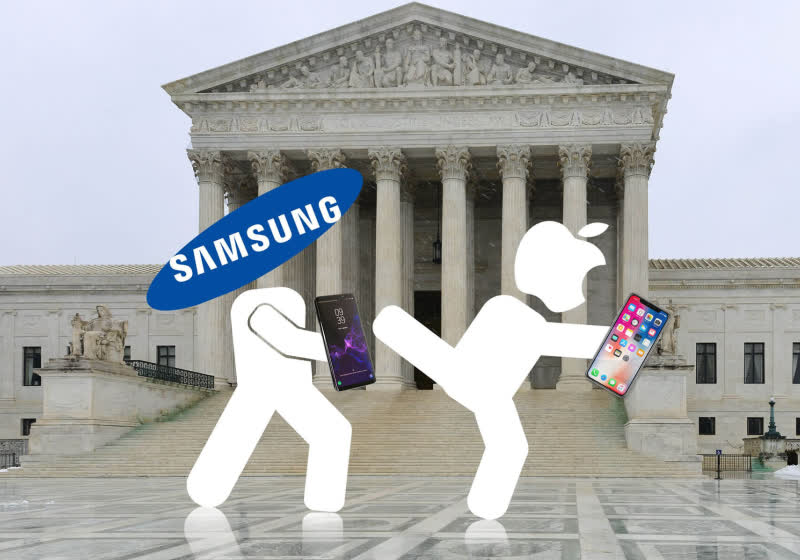
The smartphone industry’s cold war has long relied on subtle product placement, macroeconomic positioning, and high-budget advertising blitzes designed to sway enterprise buyers and retail consumers alike. However, the gloves have officially come off. In the wake of consumer complaints surrounding the latest iteration of Apple’s flagship lineup, Samsung’s regional marketing divisions have deployed an aggressive, highly viral counter-offensive. Dubbed colloquially by digital watchdogs as the "Crackgate" memes, Samsung’s latest creative assault targets structural durability concerns, turning physical hardware vulnerabilities into prime ammunition for brand switching and capital capture.
As institutional investors review capital allocation strategies for the upcoming fiscal quarters, and as consumer discretionary spending shifts under persistent macroeconomic headwinds, the battle for smartphone supremacy has transcended mere silicon benchmarks and camera metrics. It has evolved into a war of public perception, where real-time social media agility can shift market liquidity and impact valuation multiples across the entire consumer electronics sector.
Executive Takeaways
Test Our Free AI & Tech Utilities Suite
Calculate LLM API token costs, analyze article dwell-time, or simulate tech DCA returns.
- Aggressive Marketing Pivot: Samsung has leveraged user-generated reports of display fragility in Apple's latest hardware lineup, transforming viral customer complaints into targeted social media ad campaigns.
- Financial & Valuation Implications: While playful in tone, these marketing maneuvers serve a serious strategic purpose: protecting premium market share, safeguarding average selling prices (ASPs), and mitigating enterprise churn.
- Competitive Infrastructure: The campaign underscores a broader shift in mobile marketing toward real-time engagement, where hardware durability and risk mitigation outweigh incremental software updates in driving upgrade cycles.
- Regulatory & Compliance Watchpoints: As comparative advertising grows increasingly pointed, regulatory scrutiny regarding deceptive marketing and fair competition remains a critical variable for both tech giants.
The Anatomy of 'Crackgate': Catalytic Events and Social Engineering

The genesis of Samsung’s latest satirical campaign traces back to late-cycle consumer feedback loops originating across major global markets. Early adopters of Apple's newest dual-camera handset lineup—colloquially termed the iPhone Duo by market analysts—began populating social forums, Reddit, and tech support communities with mounting complaints regarding unexpected glass degradation. Despite Apple’s persistent emphasis on proprietary ceramic shield technology and rigorous drop-test marketing, a subset of users reported structural stress fractures along the bezel and rear camera housing without high-impact trauma.
Sensing an immediate strategic opening, Samsung’s regional marketing arms in Latin America and Southeast Asia—historically the most aggressive testing grounds for comparative advertising—mobilized within hours. Utilizing classic meme formats, short-form video reels, and direct call-backs to historical Apple product flaws ("Antennagate," "Bendgate"), Samsung positioned its own foldable and flagship Galaxy series as impervious alternatives engineered for enterprise-grade durability and long-term risk mitigation.
From an infrastructural and go-to-market perspective, this approach is designed to disrupt the traditional upgrade cycle. By planting seeds of doubt regarding physical resilience, Samsung aims to capture high-value enterprise buyers who demand uninterrupted infrastructure scalability and low total cost of ownership (TCO). When corporate procurement officers evaluate fleet-wide device deployments, hardware reliability remains a paramount metric. A perceived vulnerability in structural integrity can instantly stall enterprise ROI calculations and halt bulk purchasing orders.
Comparative Market Dynamics: Samsung vs. Apple Hardware Resilience
To fully understand the economic friction generated by these marketing salvos, one must examine the underlying hardware metrics, manufacturing tolerances, and historical recall frequencies of both market leaders. The following structured analysis breaks down the key performance indicators defining the current smartphone durability landscape.
| Metric / Indicator | Apple Flagship Lineup (iPhone Duo) | Samsung Galaxy Flagship Series |
|---|---|---|
| Primary Glass Protection | Custom Dual-Ion Exchange Ceramic Shield | Corning Gorilla Glass Armor / Victus 2 |
| Chassis Material | Aerospace-grade Titanium / Aluminum | Armor Aluminum / Titanium Frame Integration |
| Durability Marketing Focus | Drop resistance & scratch mitigation | Anti-reflective optics & structural impact resistance |
| Historical Controversy | "Bendgate," "Antennagate," & modern display stress reports | Early foldable hinge growing pains & display creasing |
| Enterprise Fleet TCO Impact | High residual value; moderate repair costs | Aggressive trade-in incentives; tiered enterprise support |
Industry & Market Implications: Winners, Losers, and Economic Fallout
The escalation of meme-driven corporate warfare carries profound implications for market positioning and investor sentiment. While Apple commands the lion's share of global smartphone operating profits and maintains exceptional customer loyalty, its valuation multiple relies heavily on the uninterrupted perception of uncompromised premium quality. Any narrative that questions the physical durability of its hardware threatens to erode consumer surplus and dent upgrade conversion rates.
Conversely, Samsung stands to gain vital momentum in the premium tier, where it competes directly for high-margin consumers. By spotlighting durability concerns, Samsung addresses a primary friction point for risk-averse buyers. Furthermore, this strategy bolsters Samsung’s supply chain narrative: as a vertically integrated manufacturer that produces its own displays, memory, and processors, Samsung uses these campaigns to subtly reinforce its manufacturing pedigree.
However, this high-stakes marketing game is not without risk. Regulators across the European Union and the United States maintain strict oversight regarding comparative advertising claims. If a campaign crosses the line from playful satire into misleading product disparagement, it risks triggering regulatory compliance investigations, potential fines, and retaliatory legal actions that could stall marketing velocity.
Frequently Asked Questions (People Also Ask)
Why is Samsung focusing on durability memes against the iPhone?
Samsung’s marketing teams target structural durability to exploit consumer anxiety surrounding hardware repair costs and device longevity. By contrasting the perceived fragility of competitor devices with the robust engineering of the Galaxy ecosystem, Samsung aims to influence consumer purchasing decisions and capture high-value upgraders.
How do these marketing campaigns impact corporate procurement and enterprise ROI?
Enterprise procurement departments prioritize device longevity, warranty support, and minimal downtime to ensure optimal infrastructure scalability and return on investment. Publicized durability concerns can prompt IT decision-makers to re-evaluate fleet deployment strategies and demand stricter enterprise service-level agreements from manufacturers.
Are the structural durability complaints regarding the iPhone Duo substantiated by data?
While consumer forums and social media have highlighted isolated reports of stress fractures and display vulnerabilities, independent lab testing yields varied results. Apple continues to stand by its proprietary ceramic shield engineering, while third-party drop tests show that both Apple and Samsung devices handle standard impacts well, though extreme stress angles can occasionally cause failure.
What are the regulatory risks associated with aggressive meme marketing in the tech sector?
Brands engaging in comparative meme marketing must navigate complex regulatory frameworks governing advertising standards and fair competition. If a campaign misrepresents a competitor's specifications or relies on unverified failure rates, it can attract scrutiny from watchdogs like the Federal Trade Commission (FTC) or European regulatory bodies.
Future Outlook: Strategic Milestones to Watch
As the mobile industry transitions into the next fiscal cycle, the intersection of viral social media marketing and hardware engineering will only intensify. Investors and market analysts should monitor several critical milestones over the coming quarters:
- Quarterly Shipment and ASP Metrics: Watch for shifts in Average Selling Prices and market share data in key geographic territories where Samsung's "Crackgate" marketing achieved peak viral engagement.
- Next-Generation Materials Research: Pay close attention to upcoming announcements regarding display glass technology, such as advanced anti-reflective coatings and self-healing composite materials, which will redefine the durability benchmark.
- Regulatory Policy Adjustments: Monitor regulatory updates regarding digital advertising guidelines and comparative marketing enforcement across international jurisdictions.
- Infrastructural Integration: Evaluate how both companies adapt their enterprise support programs to guarantee hardware resilience, directly influencing enterprise cloud compute and mobile workforce management strategies.
Ultimately, while memes provide immediate entertainment value and short-term social media traction, long-term market dominance will continue to be dictated by superior engineering, transparent customer support, and relentless supply chain execution.